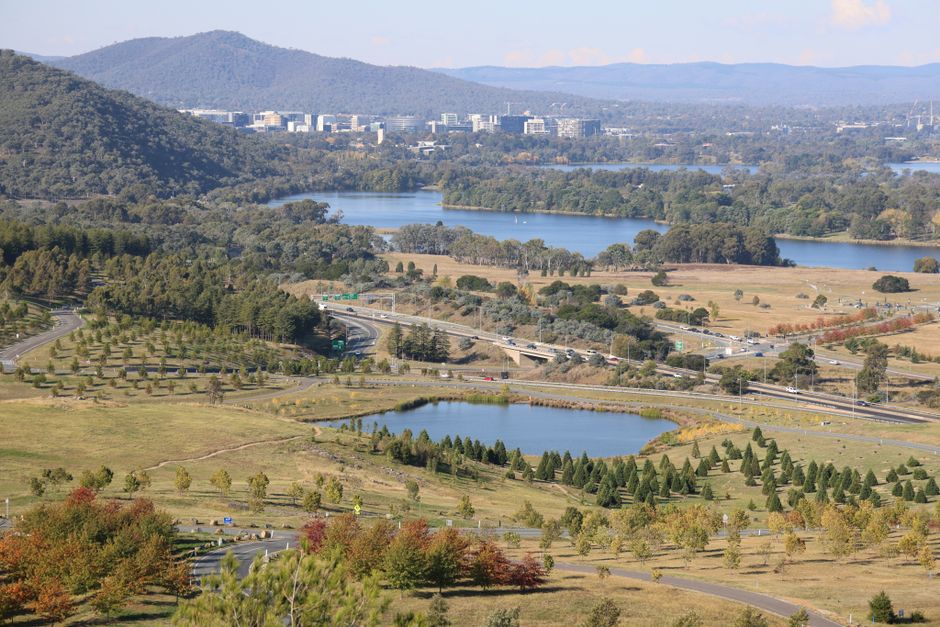
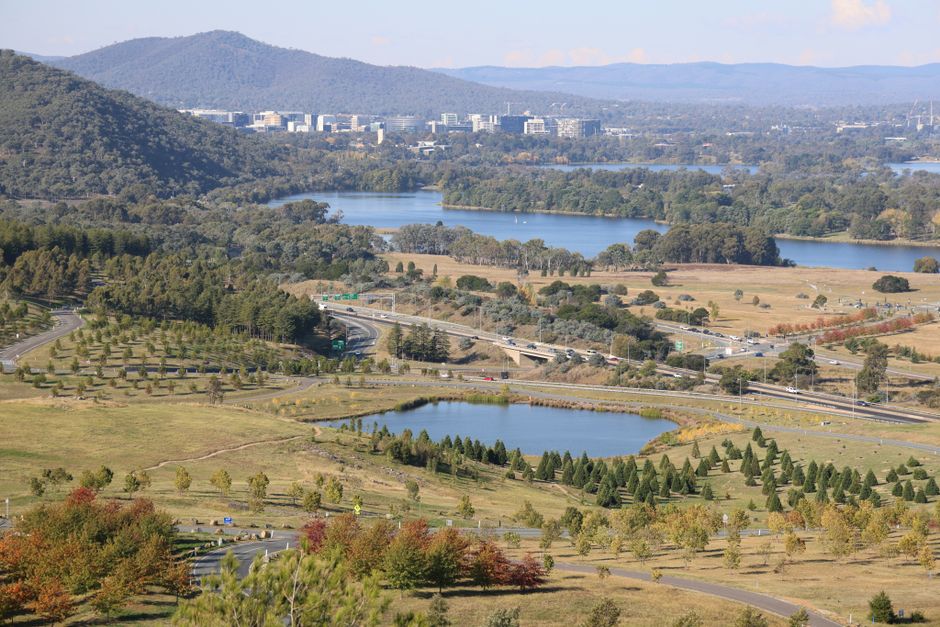
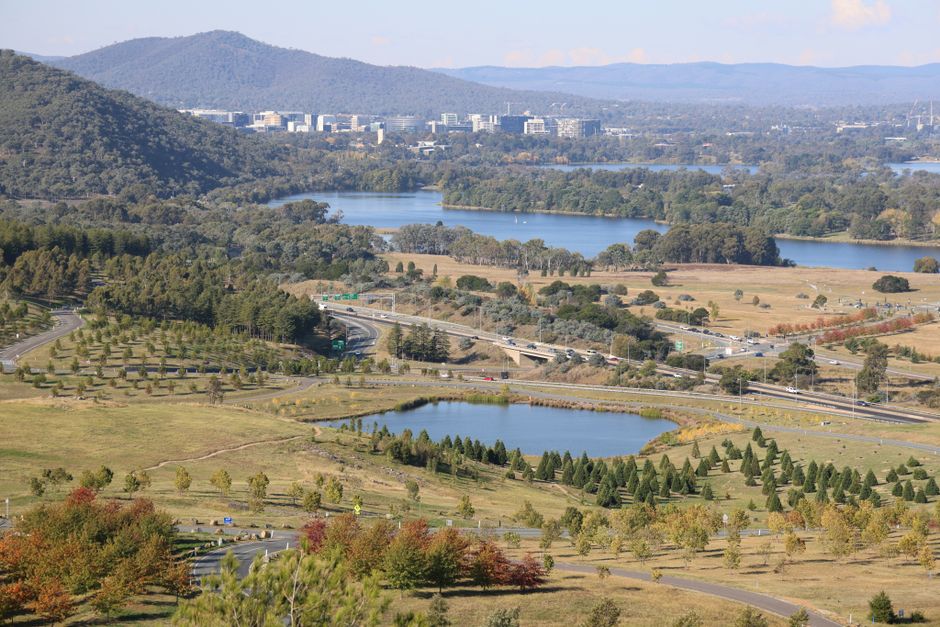
Canberra has 70 percent green space. Not green buildings or green talk—actual parks, grassland, and water features that occupy more than two-thirds of the city's footprint. That figure puts most major cities on earth in the shade.
The timing matters. Property prices across Australia have stalled as first-home buyers balk at asking prices, and remote work has sent people scrambling for somewhere with breathing room. Canberra's expansive parks aren't just pleasant; they're becoming a serious drawcard for people reconsidering what a city actually needs to offer. While Melbourne debates whether it's Australia's culture capital and Sydney wrestles with congestion, Canberra's advantage is harder to market but harder to ignore: you can live here without feeling like you're suffocating.
The numbers aren't accidents. Walter Burley Griffin's 1912 masterplan carved the city around a chain of artificial lakes—Lake Burley Griffin sits at the heart, flanked by 33 kilometres of foreshore that includes pathways, picnic grounds, and swimming beaches. The Canberra and District Labour Club manages community events along the water's edge most weekends. More inland, the National Rose Garden at the foot of Black Mountain contains 5,000 plants across 10 hectares and opens daily from sunrise to sunset, free to visitors.
Green by design, not by accident
What separates Canberra from other planned cities is the depth of the commitment. Barcelona's park infrastructure is extensive but fragmented. Singapore's gardens are stunning but expensive. Toronto's ravine system is impressive but hemmed in by sprawl. Canberra's parks grew alongside residential neighbourhoods by deliberate planning—Yarralumla, Braddon, Forrest, and Weston Creek all have pocket parks within walking distance of homes. The Australian National Botanic Gardens on Black Mountain Road showcases 6,500 plant species on 90 hectares, and gets roughly 200,000 visitors annually. Entrance costs $17.50, making it accessible rather than exclusive.
The ACT government has invested $78 million over the past decade in parkland upgrade projects. Recent spending went to improving playgrounds in Dickson, resurfacing walking trails around Lake Ginninderra in the north, and expanding the Tuggeranong Town Park precinct south of the city. These aren't boutique projects—they're systematic maintenance of infrastructure that residents depend on for daily life, not weekends.
Canberra's outdoor living culture reflects this abundance. Winter temperatures rarely dip below freezing, and summer, while hot, draws people to lakeside precincts rather than pushing them indoors into air-conditioned boxes. The Canberra District Labour Club runs outdoor markets and cultural events around the foreshore year-round. Braddon's urban renewal project over the past five years has emphasised retail and residential spaces with immediate park access rather than car parks. New units in the neighbourhood regularly advertise views to adjacent green corridors.
The suburban paradox
Canberra ranks 18th globally for liveability according to the 2024 Economist Intelligence Unit survey—respectable but not top-tier, because the city still lacks some cultural density and transport integration of London or Vienna. But ask residents about daily life and many cite open space as the primary reason they stay. A 2025 Canberra household survey by the ACT government found that 82 percent of residents used parks or green spaces at least once a week, compared to 65 percent in Sydney and Melbourne combined.
For anyone working remotely or reconsidering office-dependent careers, that weekly park time matters. It's the difference between a morning jog on manicured grass with views to the Brindabella Ranges and squeezing between joggers in a crowded harbour-side run. It's children playing in unfenced suburban parks without parents fearing traffic, because Canberra's grid layout separates residential zones from major roads deliberately.
Property agents aren't yet using Canberra's green space advantage in national marketing campaigns. They should be. While first-home buyers remain frozen out of Sydney and Melbourne markets, a three-bedroom townhouse in Weston Creek or Braddon costs $550,000 to $680,000 and puts you within walking distance of multiple parks. That's not just cheaper—it's a fundamentally different living proposition. Canberra's parks aren't heritage charm or cultural nostalgia. They're functional infrastructure that makes everyday life more liveable. Global cities spend billions trying to retrofit that. Canberra built it in.