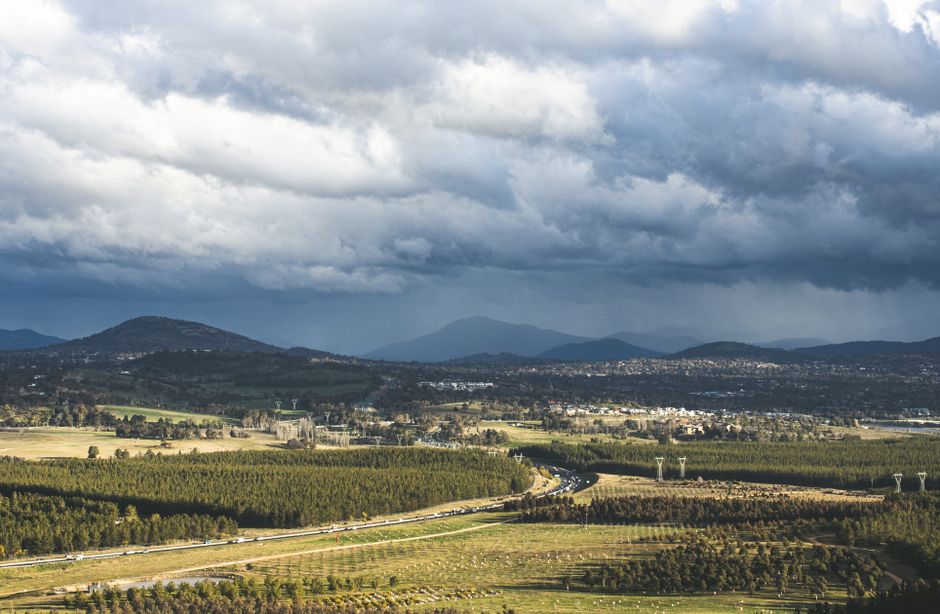
Canberra's real estate market is cooling faster than most Australian cities, but that slowdown is revealing something most buyers elsewhere would kill for: spacious, tree-lined suburbs designed around human movement rather than traffic flow.
The difference matters now because housing stress is fracturing communities worldwide. Sydney and Melbourne residents watch property prices climb beyond reach. London and New York see apartments shrink to shoebox dimensions. Vancouver and Toronto battle sprawl. But Canberra—shaped from nothing in 1913 by American architect Walter Burley Griffin—remains structurally distinct. The city was designed with setbacks, gardens, and wide avenues before anyone had heard of suburban sprawl. That old-fashioned planning decision is now a selling point for people exhausted by density.
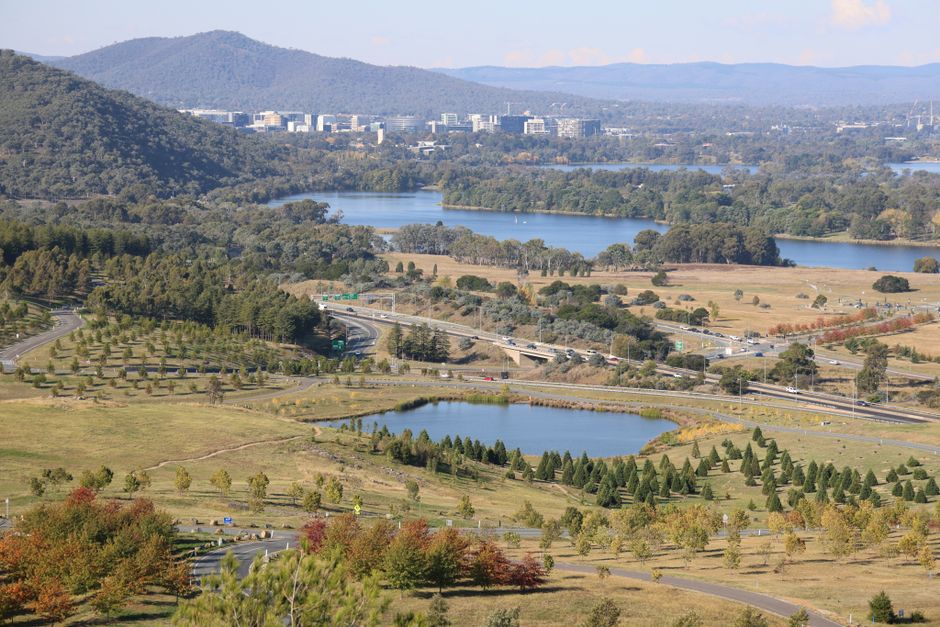
Walk through Braddon or Ainslie and the design intention becomes physical. Braddon's Victorian terraces sit behind established jacarandas and native trees. Most houses back onto laneways—a feature uncommon in suburbs built after the 1950s. Residents here talk about community differently than in gentrifying urban cores elsewhere. Ainslie's leafy streets descend toward Lake Burley Griffin, creating natural gathering points. The ACT Planning Strategy, last updated in 2024, still prioritises maintaining character suburbs rather than demolishing them for high-density replacements.
The Numbers Behind the Neighbourhood Philosophy
Canberra's median house price sat around $835,000 as of June 2026—substantially lower than Sydney's $1.35 million or Melbourne's $980,000. Rental vacancy rates hovered near 3 percent, compared to Sydney's 2.2 percent in comparable suburbs. That breathing room changes how people experience daily life. Parents can afford yards. Small businesses can afford shopfronts without corporate chains crushing independent operators.
The National Museum of Australia in Acton Peninsula, completed in 2001, anchors a precinct where public space is genuinely open. Compare this to major museums in other capitals—they're increasingly hemmed in by residential towers. Canberra's cultural institutions sit deliberately separate from residential zones, creating distinct neighbourhoods rather than homogenised mixed-use development.
Gungahlin, the city's northern growth corridor, still follows Griffin's principles despite being developed post-2000. Wide streets, large blocks, and mandatory landscaping requirements mean even new suburbs avoid the cramped feel of outer suburbs in Sydney or Brisbane. The ACT Government's 2025 Suburban Land Release Program deliberately limited density in established suburbs, frustrating developers but preserving what made Canberra different.
What Happens When Community Design Gets Old Enough to Matter
Young families moving to Canberra from interstate often cite a single experience: their children can ride bikes or walk to school without parental terror. Local schools are distributed throughout suburbs rather than concentrated downtown. Schools in Lyneham, Yarralumla, and Deakin serve their neighbourhoods directly. Compare this to London, where school waiting lists create de facto gated neighbourhoods priced for the wealthy. Or New York, where proximity to a good school adds $500,000 to a property price.
Canberra's relative affordability has drawn remote workers and young professionals seeking escape from saturated eastern seaboard markets. The Canberra CBD has struggled with office vacancies—the 2026 downturn hit harder here than elsewhere—but residential suburbs have held their appeal. That paradox wouldn't exist if Canberra were designed like Sydney's outer ring or Melbourne's sprawl.
The property slowdown now matters because it creates genuine choice. For the first time in a decade, buyers aren't competing in feeding frenzies. That allows people to consider why they want to live somewhere, not just whether they can afford to park capital there. Canberra's answer—a city where neighbourhoods were designed for living rather than extraction—is increasingly uncommon. Understanding that might be worth more than waiting for prices to stabilise.