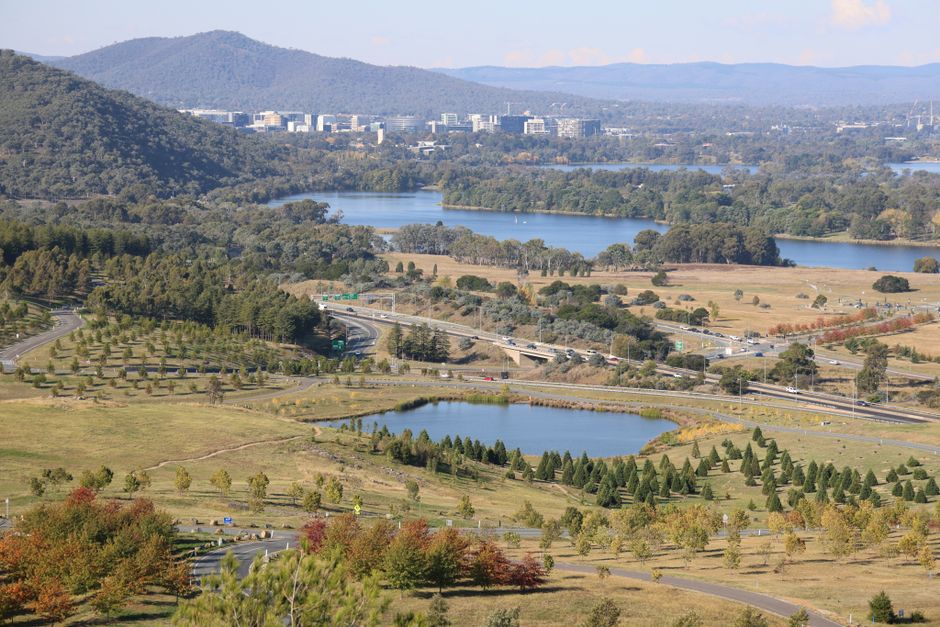
Every Tuesday morning at 6:30 am, before the city wakes, a group of forty volunteers gathers at Commonwealth Park to remove invasive aquatic weeds from the lakeside gardens. They don't make headlines. They don't claim credit. But walk through the park on a weekend and you'll notice the difference—the cleared walkways, the native plant beds thriving without competition, the water visible again from the southern terrace.
Canberra's parks are undergoing a quiet transformation. While property prices across the city have stalled and young families wrestle with deposit gaps, the city's outdoor spaces have become something else entirely: proving grounds for what happens when residents stop waiting for council trucks and start digging in themselves. The shift matters now because housing affordability has pushed thousands of Canberrans to delay or reconsider home purchases. Parks have become the commons—the place where community still happens for free.
From the foreshore to the suburbs
At Lake Burley Griffin, the storied 34-kilometre circuit has long anchored Canberra's identity. But the real action these days sits in smaller pockets. In Ainslie, the restored Gorman House Arts Centre gardens have become a weekend destination, with residents tending heritage vegetable patches that didn't exist five years ago. Three kilometres south, the Dickson Community Garden on Chaloupka Crescent operates 47 individual plots, with a waiting list now stretching to 18 months. That waiting list tells you something: people want dirt under their fingernails more than ever.
The Canberra Parks and Conservation Service estimates that approximately 8,200 hectares of public green space exist across the city's 195 suburbs. But official maintenance budgets have tightened. The ACT government allocated $4.2 million to parks maintenance in the 2025-26 financial year—down from $4.7 million three years earlier, adjusted for inflation. The gap has filled with residents.
Take Yarralumla, where the Westbourne Woods bushland corridor runs for 12 kilometres. A core group of eight locals has spent the past two years removing 27 tonnes of rubbish illegally dumped along the creek bed, replanting native orchids and rebuilding walking tracks. They meet fortnightly. They've never asked for permission. They've simply shown up.
Numbers that reveal what matters
The Australian Bureau of Statistics found that 62 per cent of Canberra residents visit parks weekly—the highest rate of any major Australian city. But here's the twist: that engagement drops sharply in outer suburbs like Gungahlin and Franklin, where new estates often lack mature gardens and established green infrastructure. Community groups in those areas have started planting programs targeting schools and public reserves. Franklin's neighbourhood garden, established in 2024, now has 34 member households. Last year it produced 680 kilograms of fruit and vegetables that members distributed locally.
The seasonal shift matters too. Canberra's winter—which arrived three weeks early this year—has actually boosted park usage. Cooler mornings mean more morning walkers. Blackberries and brussels sprouts are cheap right now, which means people actually have time and motivation to linger outside, to notice when a park needs care.
What emerges from conversations with parks regulars is not sentimentality but pragmatism. The single mother doing tai chi at Civic Square during her lunch break. The retired accountant who mapped every tree species in Glebe Park and now leads school groups through it. The Afghan family who converted a corner of their Chifley rental into a communal herb garden that feeds six neighbouring houses. They're not waiting for government. They're not waiting for corporate sponsors. They're reshaping their city by simply being present in it.
If you want to find Canberra's next chapter, skip the property listings. Head to the parks on a Saturday morning instead. The people there—digging, planting, walking, noticing—are already writing it.