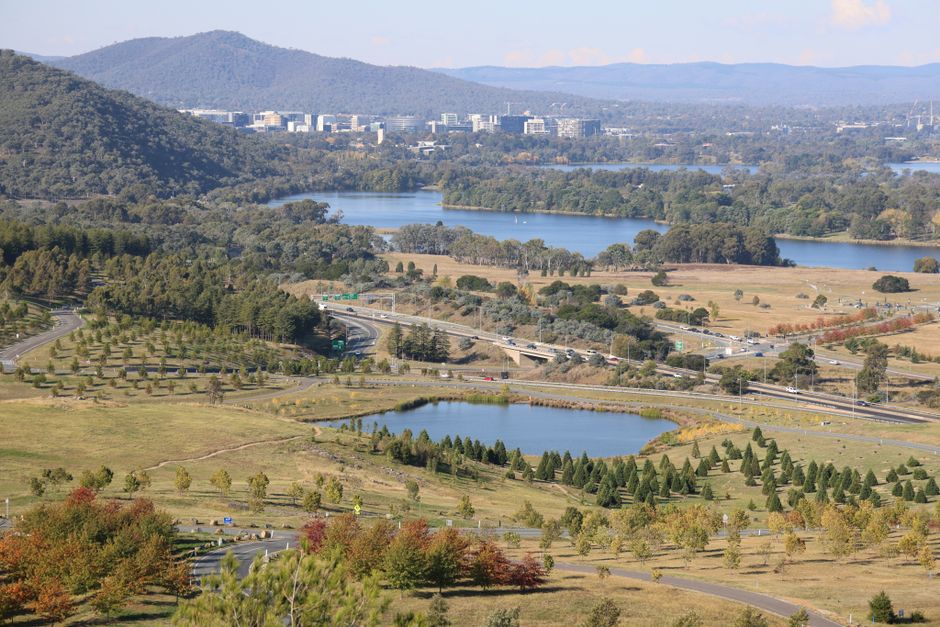
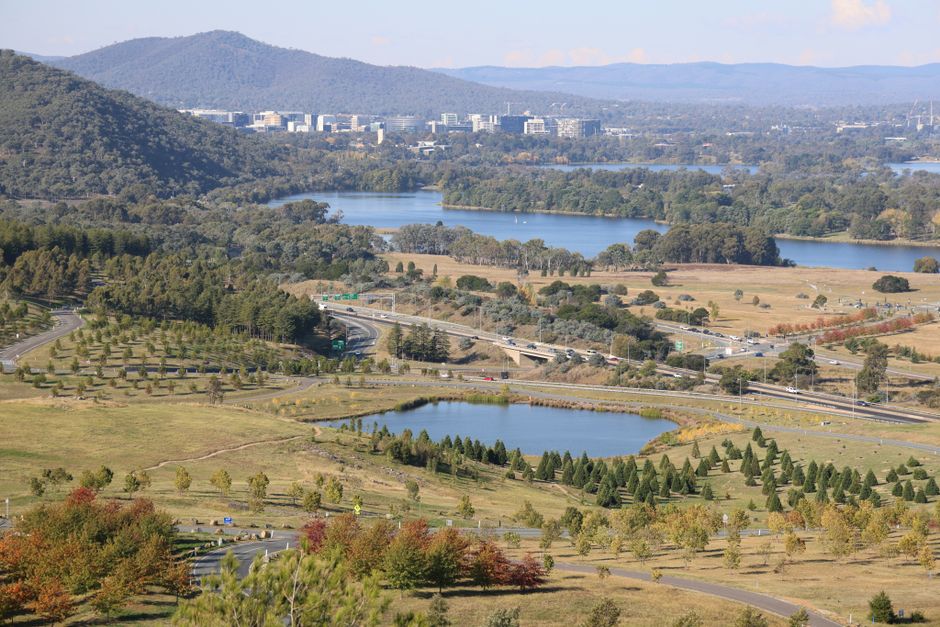
Canberra's residential neighbourhoods follow blueprints that would make urban planners in London, New York, and Melbourne raise their eyebrows. Each suburb arrives fully formed: shopping centres positioned at the heart, schools clustered within walking distance, parks distributed like clockwork. It's deliberate. It's controlled. It's almost nothing like how other major cities organise themselves.
This matters now because housing affordability has become the defining issue for Australian cities. First-home buyers are retreating from Sydney and Melbourne's chaotic property markets, and developers across the country are scrambling to understand why planned neighbourhoods might suddenly appeal to people priced out of organic inner-city sprawl. Canberra's approach—born from the 1913 Griffin Plan and refined across seven decades—offers a working example of what intentional community design actually produces on the ground.
The Grid That Works Differently
Walk through Dickson, one of Canberra's inner-north neighbourhoods, and you'll notice something absent from comparable areas in other Australian cities: the confused layering of different eras. Dickson wasn't built in fragments over 60 years. It was built to specification in the 1950s, with Woolworths positioned at the town centre on Dickson Place, schools fanned out through residential streets, and public tennis courts on the periphery. The shopping centre sits less than 400 metres from most residential addresses. Compare this to how Surry Hills in Sydney or Brunswick in Melbourne evolved through decades of ad-hoc additions, and the design logic becomes visible.
Over in Gungahlin, Canberra's north-east expansion sector completed planning in 2010, the ACT government released a master plan for Mulligans Flat, a 370-hectare development designed to accommodate 15,000 residents. The plan specified street widths, tree canopy targets, and neighbourhood shops before a single house was built. Mulligans Flat now functions as a cohesive precinct rather than a collection of disconnected developments competing for attention.
European planners visiting Canberra often marvel at the absence of chaotic ground-floor retail competing with residential zones. In Barcelona or Berlin, you navigate competing commercial interests layered across centuries. In Canberra's neighbourhoods, the separation is clean. Woden Town Centre serves Woden Valley's 15,000 residents from a designated commercial hub. Tuggeranong Town Centre does the same for the south. This predictability has a cost—some find it sterile—but it produces something other cities struggle to deliver: neighbourhoods where children walk safely to school and grandparents reach the shops without a car.
The Numbers Tell a Story
The Australian Bureau of Statistics reported in June 2026 that Canberra's median house price sits at $695,000, roughly 35 per cent below Sydney's $1.08 million and 28 per cent below Melbourne's $965,000. But price alone doesn't explain Canberra's emerging appeal. The Canberra Property Council noted that median rent for a three-bedroom house in Belconnen sits around $520 per week, making first-home buyer entry possible in ways Sydney and Melbourne have made impossible for younger workers.
The real outlier is walkability. The Institute for Transportation and Development Policy ranked Canberra's town centres among Australia's highest for foot traffic connectivity, a counterintuitive finding for a city built on the assumption most residents would drive. Braddon, Canberra's artisan neighbourhood east of the CBD, recorded 63 per cent of weekday journeys to local shops and services on foot or bicycle in 2025, according to ACT transport surveys. That rivals Copenhagen's inner suburbs.
Canberra's neighbourhoods won't satisfy everyone. The geometric order that makes them functional can feel prescriptive. The town centres that anchor each suburb work best when they're actually used—several sit half-empty when developers miscalculate demand. But for people exhausted by the property-ladder insanity of Sydney and Melbourne, or curious how cities might function if they were actually designed rather than inherited, Canberra offers something genuinely different: the evidence that planned suburbs can produce liveable, walkable, genuinely functional communities. It's worth looking at more closely.