Canberra is not Sydney. It is not Melbourne. And for a growing cohort of international relocators, that's exactly why they're here.
The ACT is attracting expats at rates not seen in a decade, drawn by a particular kind of city that simply doesn't exist elsewhere in Australia's major metros. Built deliberately rather than organically, Canberra offers what older cities cannot: a grid system where suburbs radiate from the centre, tree-lined streets wide enough for cycleways, and commercial precincts designed so residents rarely drive more than 10 minutes for groceries. The property cooling affecting first-home buyers nationwide has created unusual openings here. A two-bedroom townhouse in Dickson or Ainslie costs roughly $520,000 to $580,000—$200,000 cheaper than equivalent properties in inner Sydney or inner Melbourne.
A City Built for Walking, Not Traffic
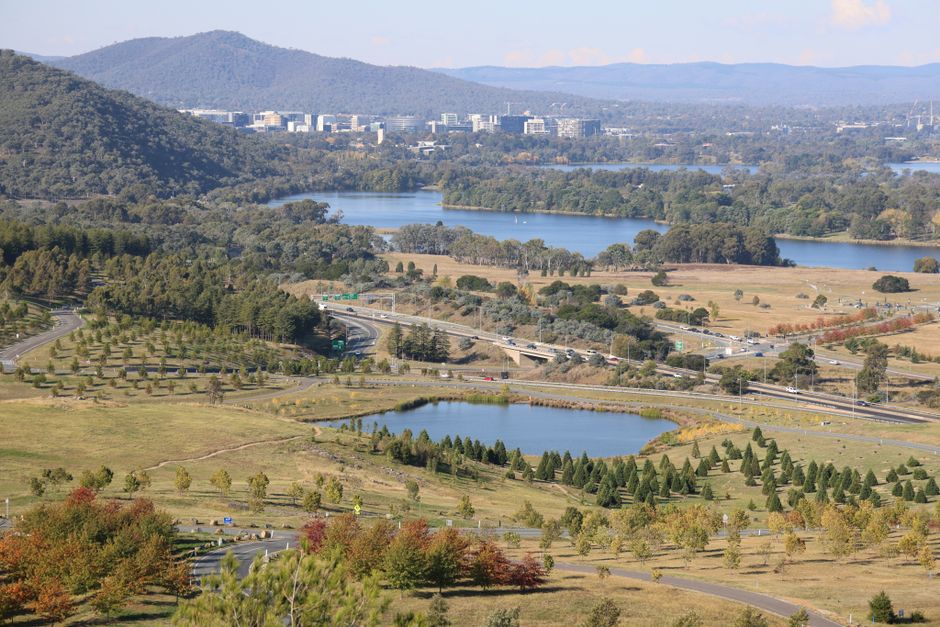
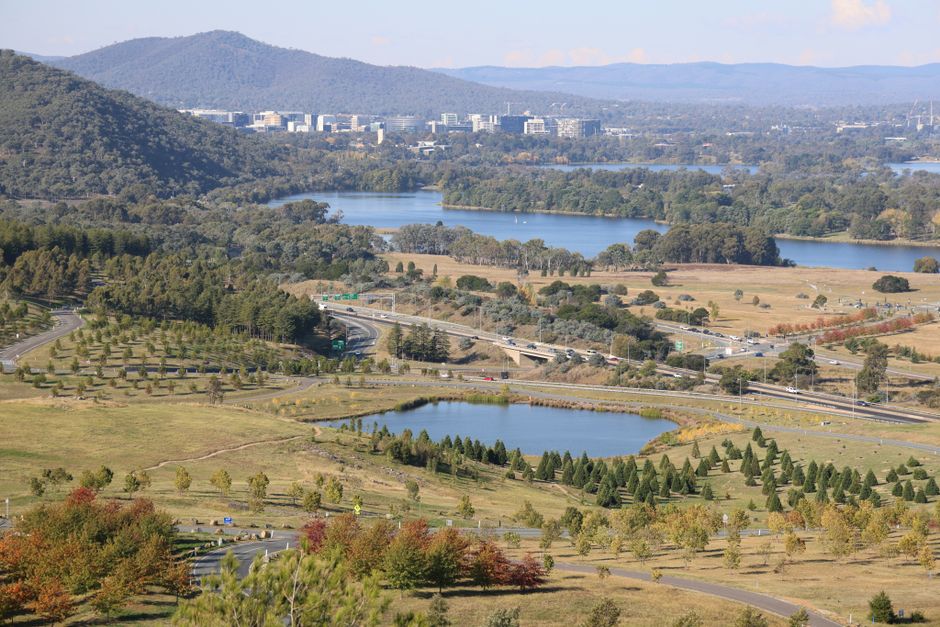
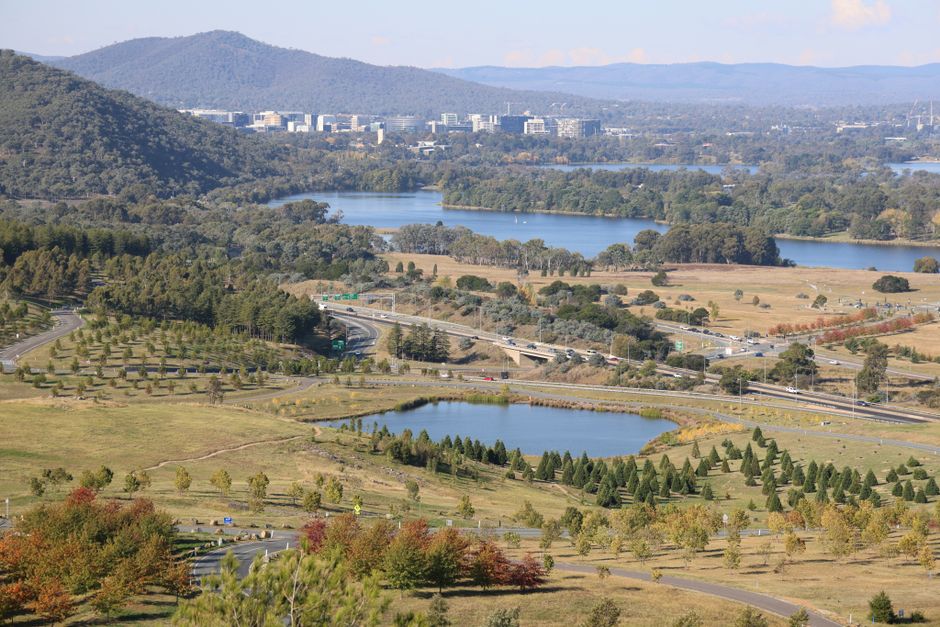
Unlike Melbourne's sprawl or Sydney's constrained geography, Canberra was master-planned by American architects Walter Burley Griffin and Marion in 1913. That plan holds. The Australian National University sits in Acton. The National Gallery of Australia occupies grounds in Parkes. Lake Burley Griffin—the centerpiece water feature—runs through the middle of the city, ringed by parkland. Newcomers typically notice this immediately: they can walk or cycle from their inner suburb to the city centre, or to shops in Braddon, in under 20 minutes.
Dickson and Ainslie function as entry suburbs for expats because both are established, mixed-income neighbourhoods with good access to the ACT Labor government's expansion of childcare subsidies and the Education and Care Services National Law, which regulates early childhood facilities across the country. The National Capital Authority, which manages urban development here, has mandated minimum green space requirements that other councils do not enforce. Result: pocket parks on most blocks, and schools with genuine grounds rather than asphalt yards.
Compare this to global peers. Singapore's expat communities cluster in high-density tower precincts. London's new arrivals compete for cramped Victorian terrace houses. Toronto's outer suburbs demand 45-minute commutes. Canberra's newcomers instead find suburbs designed for human scale: wide streets with tree canopy, underground power lines (no overhead cables scarring sightlines), and local shops clustered within walking distance.
The Numbers Reshaping Migration Patterns
ACT Population Services reported 18,200 arrivals in the 2024-25 financial year—a 23 per cent increase on the previous year. Not all are expats; many are Australians shifting from other states. But international arrivals have grown, particularly from India, China, and the United Kingdom. The median house price across the ACT sits at $645,000, according to Domain data from June 2026, compared to $1.2 million in Sydney's greater metro area and $890,000 in Melbourne.
Rental costs tell a similar story. A one-bedroom apartment in central Canberra rents for $1,600 to $1,850 monthly. The same in Parramatta (Sydney's secondary CBD) runs $2,000 to $2,300. For expats transferring money from London ($3,200 for one bedroom in Zone 2), Toronto ($2,600 in midtown), or Singapore ($3,100 in Tiong Bahru), Canberra reads as economically rational.
The National Museum of Australia, the Australian War Memorial, and Parliament House sit within cycling distance of residential Canberra—not cordoned into a separate precinct as cultural institutions are in older cities. This matters psychologically. Newcomers report that Canberra doesn't feel divided between a tourist quarter and a living city. It's integrated.
For expats considering the move, the practical advice is straightforward: accept that Canberra is smaller (pop. 460,000 versus Sydney's 5.3 million), which means fewer late-night venues and a single CBD rather than multiple employment hubs. But factor in the numbers: lower housing costs, an intact public transport system, four distinct seasons with cold winters that appeal to arrivals from Britain or Canada, and a city where you can actually own a place rather than perpetually rent. In a property market where first-home buyers nationwide are freezing their searches, Canberra is offering something they can't find elsewhere—a city that's genuinely affordable, genuinely walkable, and genuinely designed for the people who live there.