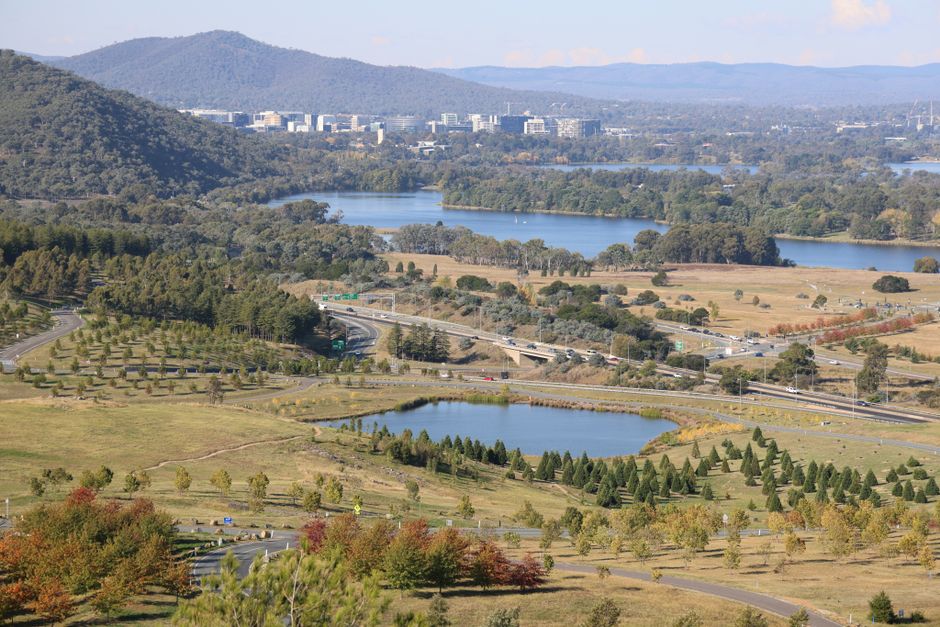
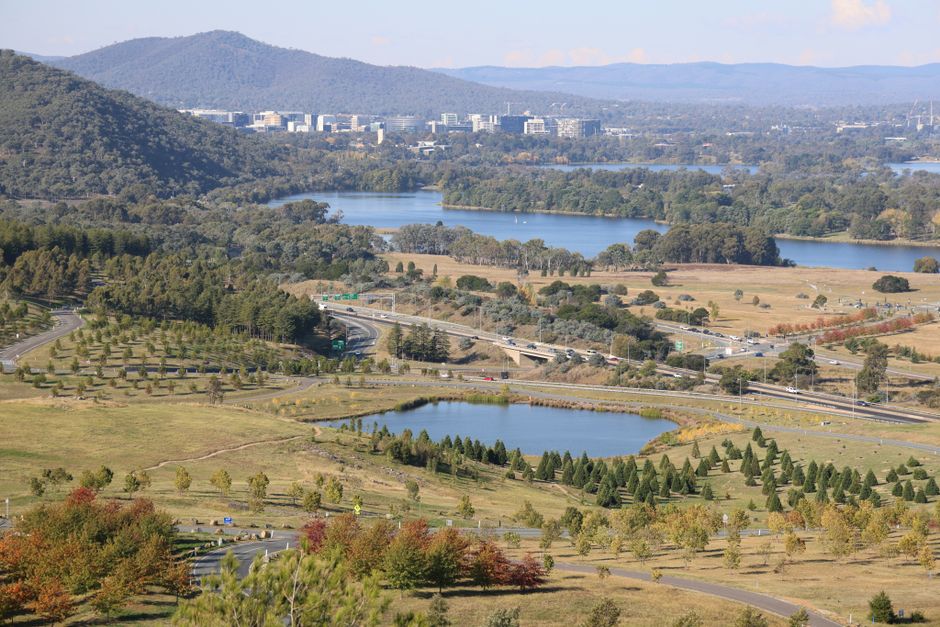
Canberra has 40 per cent tree canopy coverage across the city. That figure sits in stark contrast to Sydney's 17 per cent, Melbourne's 19 per cent, and London's 21 per cent. The comparison is neither accidental nor academic—it reflects a deliberate founding principle that has quietly made this city an outlier in how people actually want to live.
The property market slowdown documented across Australia this year has forced a reckoning about what makes a neighbourhood worth the money. First-home buyers are finally asking harder questions. Canberra's answer, whether residents realise it or not, is unambiguous: proximity to decent outdoor space. When Sydney's median house price hovers around $1.3 million and yields barely 2 per cent, Canberra sits at $750,000 with cleaner air and more than double the green within walking distance. That gap is widening precisely because people are getting serious about the trade-offs.
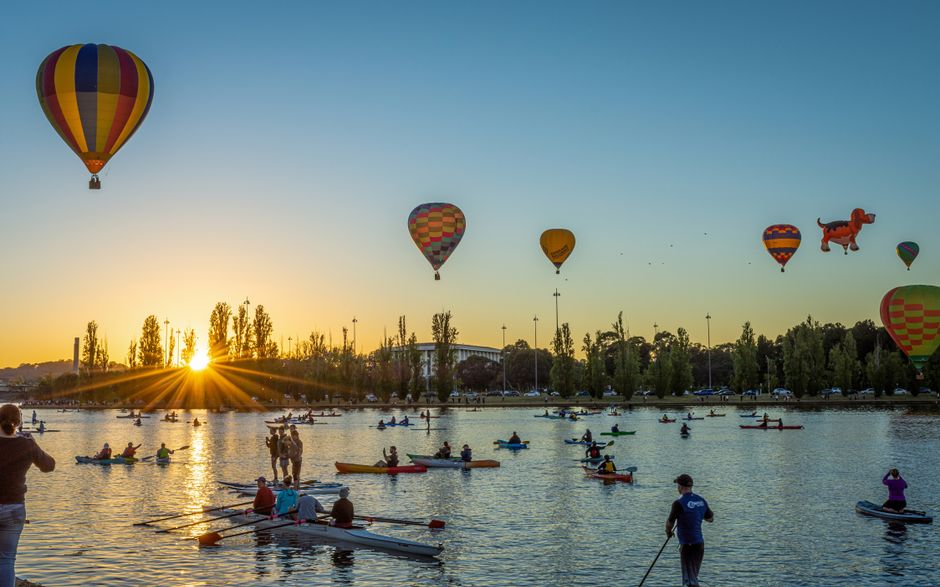
The Lake Burley Griffin circuit sprawls across 33 hectares of maintained open space. On any given winter morning, it hosts runners, walkers, and cyclists who never need to fight for pavement. The Canberra Urban Parks and Places team manages 1,800 parks across the territory—roughly one park per 300 residents. Compare that to inner London, where a single square metre of parkland serves roughly seven people. Weston Park in Yarralumla, Dickson Park near the shops, the sprawling nature reserves in Jerrabomberra and Ngunnawal—these aren't amenities bolted onto a city plan. They're the plan.
Why other cities abandoned this model
Most capital cities made different choices decades ago. Tokyo prioritised density. Singapore squeezed residential blocks tighter to maximise commercial revenue. Even newer cities like Shenzhen zoned parks as separate zones rather than integrated into every suburb. The math always favoured concrete: more buildings meant more rates, more investment, more jobs. Canberra's planners, building a city from scratch after 1913, had something rarer—freedom from the accumulated property pressures that strangle older cities. They used it.
That historical accident is suddenly a competitive advantage. The Molonglo River catchment redevelopment, scheduled to complete its first precinct in 2028, explicitly prioritises green corridors over density maximums. Developers briefed on the scheme regularly cite Canberra's existing park network as a selling point to interstate clients sceptical about moving south.
The practical advantage
The numbers tell the story. Parks increase property values by 5 to 15 per cent within 400 metres, according to research from the University of Canberra's Urban Research Centre. Schools near major green spaces report better student outcomes across multiple measures. The ACT Health Directorate's 2024 activity report found residents living within 500 metres of formal parkland exercised 34 minutes more per week on average than those further out.
For property buyers this year, those details matter more than they did in 2023. With interest rates sticky and deposit requirements unchanged, location premiums shift toward measurable quality-of-life factors rather than speculative growth. A street in Belconnen with 200-metre walk to open water and maintained paths moves from nice-to-have to practical investment criterion.
Canberra's challenge now is defending what it has while adapting to pressure. Infill development around Gungahlin and inner Southside suburbs is accelerating. The ACT government's planning reforms, released last month, pledge to maintain canopy targets and require green space allocations in new projects. Enforcement will determine whether those commitments stick.
For people shopping for a place to live or reassessing why they stayed, the answer is increasingly physical. Walk to Lake Burley Griffin on a cool July morning and you'll understand why Canberra's supposedly boring grid of wide streets actually won an architecture prize in 1969. It was designed so you'd never be far from trees.