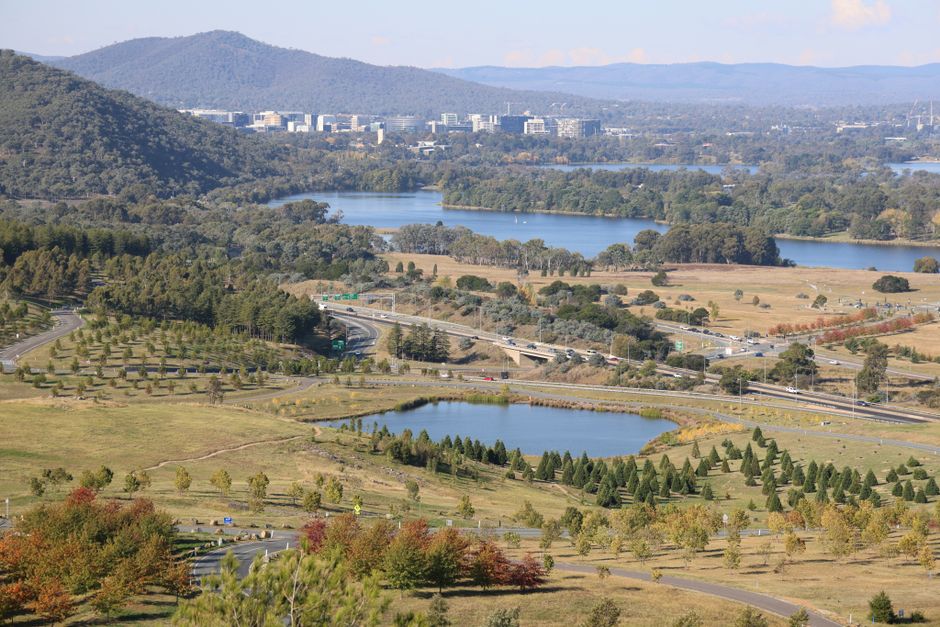
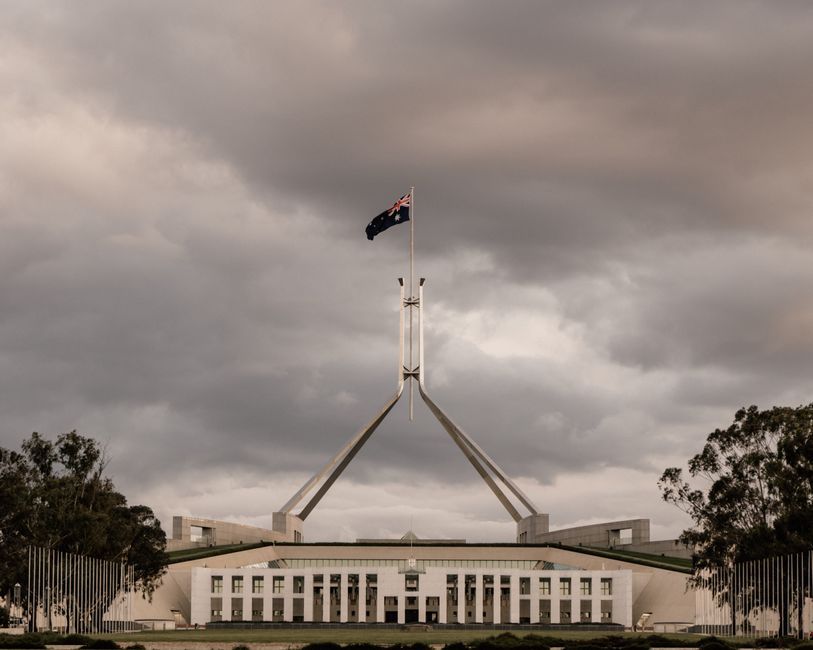
Canberra's population swelled by 2.3 per cent in the year to June 2025, according to Australian Bureau of Statistics data released this week. Most of that growth came from people moving interstate or from overseas, not births. That means plenty of fresh faces are arriving every month—many bewildered by a city that looks planned but somehow still surprises you.
The timing matters. Property prices in Canberra have softened compared to Sydney and Melbourne, with median house values sitting around $890,000 as of mid-2026. First-home buyers and relocating families are finally getting a look-in. But newcomers quickly discover that the planning, the suburbs, and the social fabric work differently than they expected. So we asked people who've landed here in the past three years what they wish they'd known.
Getting the geography right matters more than you'd think
The parliamentary triangle—the core bounded by Commonwealth Avenue and the lakefront—is where many assume the action happens. Wrong. Most residents avoid it entirely. Locals cluster in Inner South suburbs like Forrest, Yarralumla, and Kingston, where there's actual street life. Kingston, in particular, has transformed in the past five years. The Canberra Street precinct now hosts Raku, Black Star Pastry, and a dozen independent cafes within walking distance. Rent for a one-bedroom apartment there runs $1,800 to $2,100 per month.
For something more suburban and less buzzy, Civic—the original city centre—remains underrated. The ANU campus bleeds into it, which keeps the neighbourhood young. Southside suburbs like Weston Creek offer larger homes and better value, though you'll drive everywhere. Gungahlin, north of the lake, is where the growth is happening. It feels disconnected from the rest of the city, but property there appreciates faster, and the commute to major employers like the Australian Public Service hub on Constitution Avenue is reasonable.
One persistent complaint from arrivals: nobody warns you how empty the city feels on weekends. King George Terrace and the National Museum of Australia draw crowds, but shopping strips go quiet. Winter magnifies this. June temperatures drop to 6 degrees Celsius regularly, and the psychological weight of a cool, clear, seemingly unpopulated city takes newcomers by surprise.
The real infrastructure and social assets
The Australian National University dominates higher education and intellectual life. Visiting its open nights or checking what's on at the Canberra Museum & Gallery—which sits on Acton Peninsula—gives you a sense of what the city actually cares about. Neither are party scenes, but both are substantial.
Transport is a live debate. The light rail opened in 2019, running from Gungahlin through the city to Woden. It's less comprehensive than interstate relatives expect, but it works for commuting. Most relocating families quickly buy or lease a second car. Petrol prices in Canberra typically run 5 to 10 cents per litre cheaper than Sydney, which softens the blow. The Canberra Cycling Network is extensive—over 350 kilometres of paths—and far more practical than you'd guess from a car-dependent city.
Food retail clusters matter. Belconnen has the largest Westfield and strongest grocery competition. The South Canberra Markets, held monthly in Weston, connect you with local growers. Winter produce—blackberries and brussels sprouts especially—is cheaper here than the coasts because distribution is shorter. That's a tangible saving for families.
The Canberra and Region Visitors Centre, located on Federation Square in Civic, does offer genuine newcomer packs with suburb guides and housing market data. It's underused. Most arrivals skip it and regret it later.
What newcomers learn fast: Canberra rewards patience. The first three months feel isolating. By month six, once you've sat down at a Kingston cafe on a spring afternoon and recognized the same people, or picked a suburb and actually invested in knowing it, the strangeness fades. It's a place where planning makes sense only after you've lived against it.