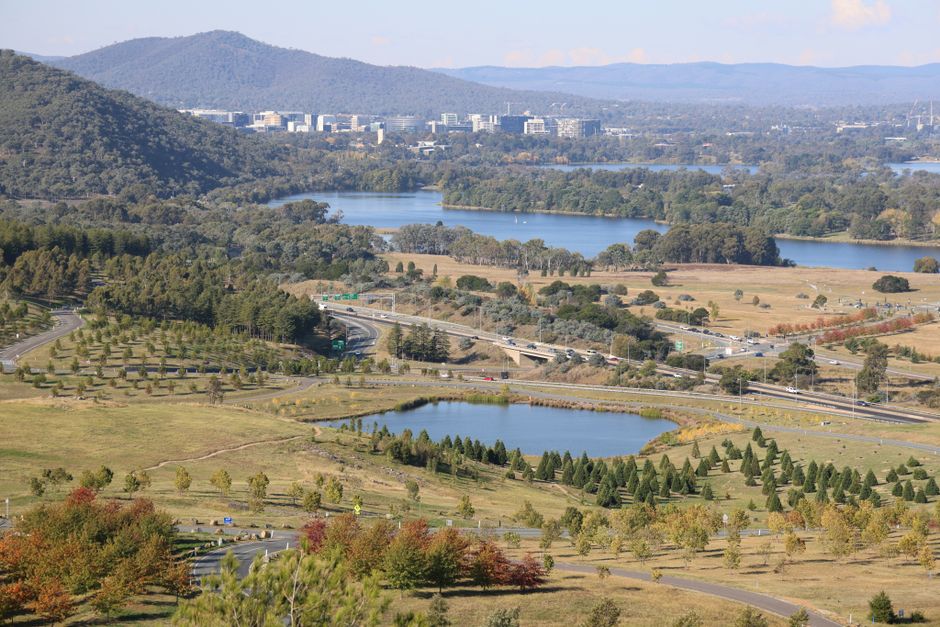
Canberra's suburbs look nothing like the neighbourhoods that define global cities. There are no medieval laneways choked with cafes. No gentrified warehouse districts. No subway-adjacent density spirals. Instead, you get tree-lined avenues with identical setbacks, neighbourhood shopping centres that sit empty on weekdays, and the constant hum of traffic on roads that were drawn by engineers, not centuries of foot traffic.
This wasn't accidental. When Walter Burley Griffin sketched the city's master plan in 1912, he rejected the organic chaos of London or Paris. He built a capital where function preceded form, where suburbs were sorted by income band and occupational class, where cars would glide through parkland on designated routes. For much of the 20th century, Canberra wore that blueprint like a badge. It was orderly. It was planned. It was completely different from everywhere else.
The planned suburb paradox
Woden Valley and Belconnen were built as self-contained neighbourhoods in the 1960s and 70s, each with their own shopping precinct, schools and playing fields. The theory was sound: residents could meet all daily needs without leaving their suburb. Walk down Purvis Street in Woden town centre on a Tuesday afternoon and you'll see why that theory foundered. The amphitheatre sits unused. Half the shopfronts are dark. A handful of older locals move between the library and the newsagent.
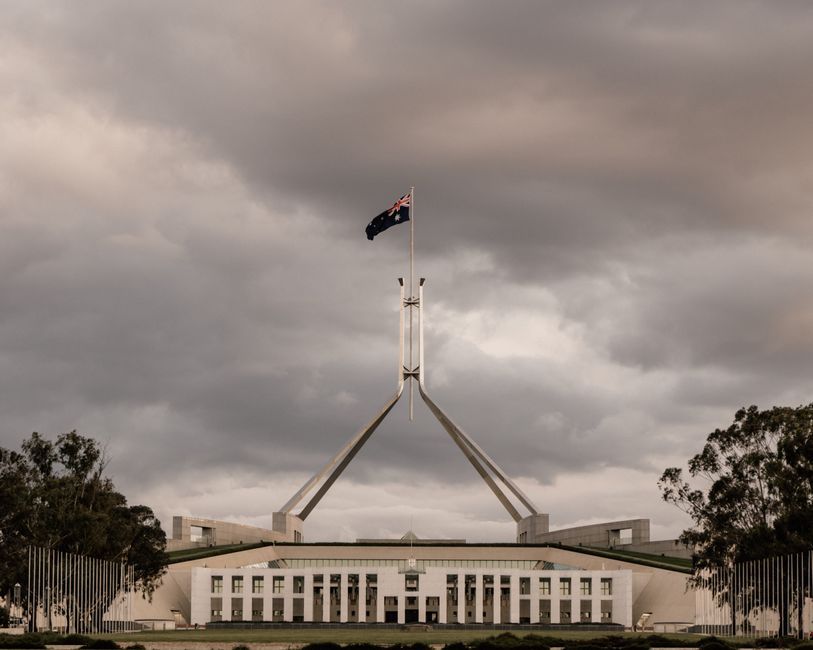
Meanwhile, Dickson and Kingston—older inner suburbs closer to Parliament House—have bucked the trend. Dickson's café strip along Woolley Street has become a destination, not a necessity. Kingston Foreshore's waterfront precinct attracts weekend visitors. These pockets succeeded precisely because they developed organically, attracting small bar owners and independent retailers who saw opportunity rather than following a predetermined function. The ACT government has noticed. Its 2024 spatial plan explicitly pushes for walkable villages within suburbs, trying to retrofit what Griffin never intended.
The Australian Capital Territory's population reached 465,000 last year, and migration data shows the largest cohort moving here are now renters aged 25 to 34, not families buying homes. They're choosing Canberra because the median house price of $780,000 is achievable, unlike Sydney's $1.3 million. But they're clustering in those walkable pockets—Braddon, Turner, the inner north—which has sent rents there climbing 15 per cent annually.
Undoing a century of planning
The City Renewal Authority, established in 2015, has spent six years trying to add the messiness that other cities inherited. Pop-up bars, community gardens, street art festivals—all attempts to inject the kind of spontaneous street culture that simply didn't exist in a city designed to prevent congregation.
What makes Canberra genuinely different isn't that it works better than other cities. It's that its problems are inverted. London wrestles with affordable housing in walkable neighbourhoods. Toronto struggles with sprawl. Singapore maximises density. Canberra has affordable neighbourhoods that feel empty and walkable precincts that are increasingly expensive. The irony of Griffin's grand design is that a century later, residents are spending money to undo it—to add the very things he tried to prevent.
If you're considering a move here, skip the outer suburbs unless you're driving daily. The inner north offers the walkability you'd expect from a global city, minus the price tag. Just don't expect to find it by accident. In Canberra, you still need directions.