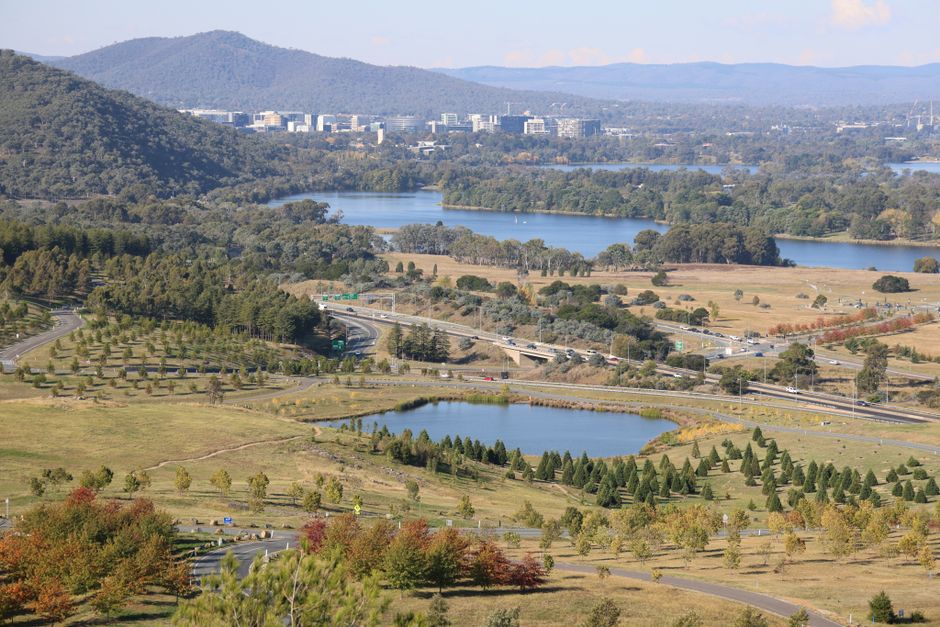
The Friday afternoon bell at Waramanga Primary School sends a particular kind of controlled chaos into the Waramanga neighbourhood. Parents cluster near the white picket fences, kids spill across the oval, and the local shops along Laguna Street fill with families grabbing supplies for weekend plans. This is where Canberra's family life actually happens—not in the glossy property listings, but in the ordinary intersections of school runs, weekend soccer games, and the small rituals that bind neighbourhoods together.
The shift matters now because Canberra's property market is finally breathing. After years of climbing prices that priced young families into outer suburbs, median house values have plateaued. A three-bedroom home in established areas like Waramanga, Curtin, or Chifley still runs $650,000 to $750,000, but the feverish competition has eased. First-home buyers are re-entering the market with actual bargaining power, which means families are making neighbourhood choices based on genuine fit rather than desperate affordability calculations.
Walk through Curtin on a Tuesday morning and you'll see what this means on the ground. The Curtin Community Centre on Loftus Street hosts playgroups most weekdays—about 30 parents and toddlers moving through story time and craft sessions. The suburb's tree-lined streets connect directly to schools like Curtin Primary and Canberra Grammar's junior campus, creating dense networks where families know each other across multiple institutions. At the Curtin shops, the local coffee roaster and the independent toy store function as informal meeting points where conversations about school recommendations and weekend activities flow as naturally as the espresso.
The Data Behind the Vibe
Canberra schools are feeding much of this neighbourhood character. The ACT Education Directorate's 2025 enrolment data shows that established inner suburbs maintain waiting lists for popular primary schools—Waramanga Primary has 127 students on its waiting list as of mid-2026, suggesting families are choosing these areas deliberately rather than defaulting to them. Compare that to sprawling outer suburbs like Molonglo or Harrison, where schools opened with space available and continue to operate below capacity.
The economic calculus has shifted. A family can now buy a solid four-bedroom home in Chifley for $695,000, spend $8,500 annually for Canberra Grammar, and still invest in the neighbourhood culture that makes these areas valuable. Two years ago, that same family would have stretched to $780,000 with nothing left for anything else. The breathing room changes decision-making.
What Parents Actually Build Here
What holds these neighbourhoods together isn't sentimentality. It's proximity and repetition. Parents bump into each other at the Woden Town Library three times a week. Kids who start kindergarten together at Waramanga often stay in the same school cohort through year 6. Sports clubs like the Curtin Soccer Club field junior teams that draw from the same 15 streets. The school parents' associations actually function—Chifley Primary's fundraising committee organised $27,000 last year for classroom upgrades and excursions.
For parents evaluating where to plant their family's roots, the calculus is straightforward. Check the school's waiting list numbers. Visit the local shopping strips during school drop-off and pick-up times to gauge the community presence. Talk to parents at the weekend farmers market at Canberra Grammar's oval. The neighbourhood character isn't manufactured by marketing departments—it emerges from whether other families have already decided to stay long enough to build something lasting.
With property prices finally predictable rather than predatory, Canberra's inner-suburb families are making choices they couldn't afford before: the choice to prioritise where their kids will actually belong, not just where they can technically fit a mortgage.