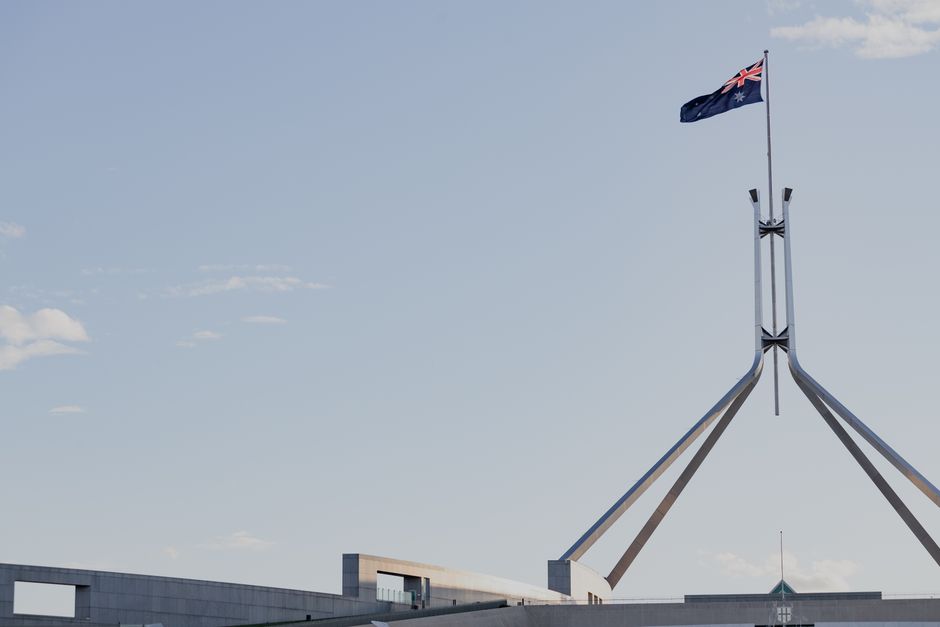
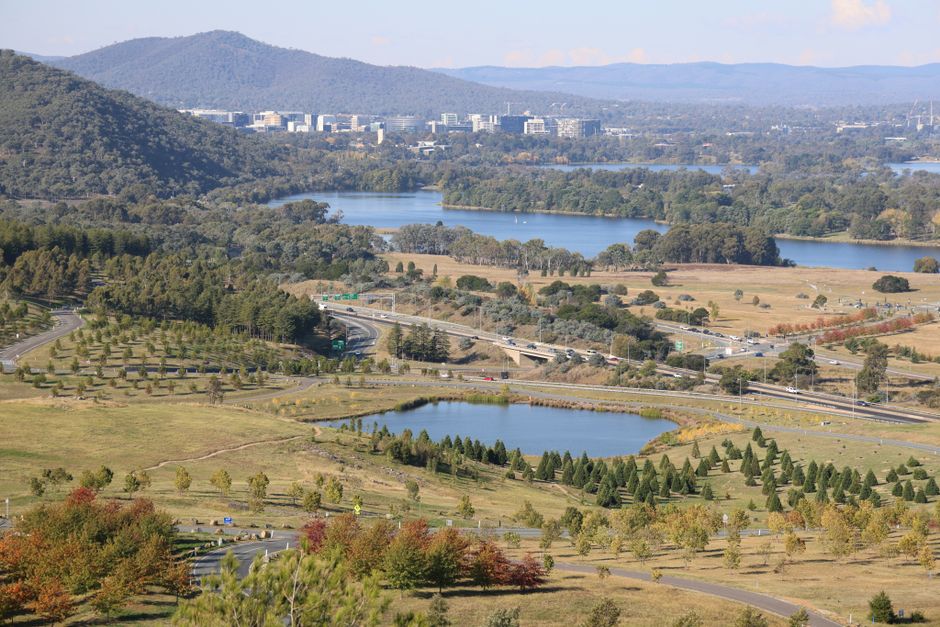
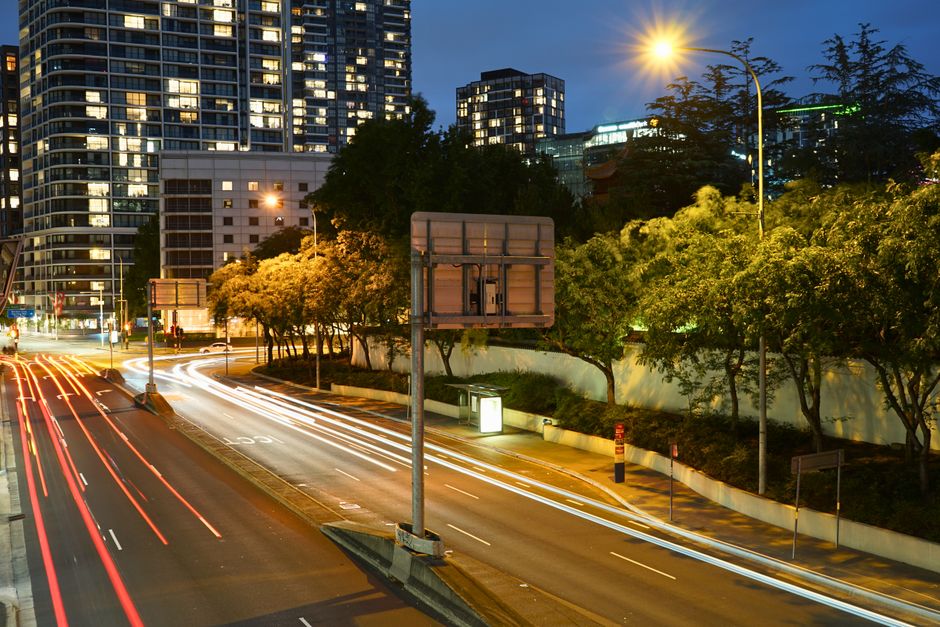
The removalist trucks have been arriving on Ngambri Close and Strathnairn Avenue since late June. Whitlam — the ACT government's newest named suburb, carved from the western end of the Molonglo Valley corridor — now has its first permanent residents, with Land Development Agency records showing 214 dwellings completed and occupied as of 30 June 2026. Several hundred more are due for handover before Christmas.
The timing matters. Canberra's property market is softening, with median house prices in the ACT slipping roughly four percent over the past 12 months according to CoreLogic's June 2026 data, settling at around $880,000. That cool-down has made Whitlam's land release — where some blocks were listed from $480,000 — look relatively accessible for public servants on APS 4-6 salaries. But affordability is only part of the story. The harder question is whether the suburb being built around those blocks will actually function as a community, and on that score, Canberra's track record with Molonglo Valley deserves scrutiny.
The infrastructure gap that keeps reappearing
Crace, Bonner, Forde — Canberra has built greenfield suburbs before, and the pattern is familiar: houses go up fast, everything else follows slowly. Whitlam is already repeating some of those rhythms. The suburb's only planned primary school, a proposed ACT Education Directorate site on William Slim Drive, is not expected to open before 2028. The nearest operational primary school is currently in Denman Prospect, a ten-minute drive back east along the Molonglo Valley Parkway. Residents with young children are being directed to apply for enrolment at John Paul College in Kambah or Duffy Primary as interim options.
Public transport is thin. ACTION buses run a modified 60-series route through Molonglo Valley on weekday peak hours, but weekend services remain skeletal. Light rail Stage 2B — the extension from Commonwealth Park toward Woden — consumes most of the ACT government's rail conversation, leaving Whitlam and its neighbours dependent on cars for at least another decade. The suburb sits approximately 14 kilometres from the Civic interchange.
Compare that with Västra Hamnen in Malmö, Sweden, or Singapore's Tengah township — both master-planned communities where transit infrastructure was operational before the first residents arrived. Tengah's first MRT station opened in 2027, timed to coincide with initial occupancy phases. In the ACT's case, the model remains: build the houses, chase the services. Urban planning academics at the University of Canberra's Faculty of Arts and Design have been documenting this sequencing problem in Molonglo Valley since the Coombs and Wright suburbs were gazetted in 2014.
What Whitlam gets right — and what the comparisons reveal
Not everything is behind schedule. The Whitlam district park along the Molonglo River corridor is partially open, with walking trails connecting to the broader Molonglo River Reserve managed by the ACT Parks and Conservation Service. A small local centre on Sullivans Creek Road is earmarked for a supermarket and medical centre, with development applications lodged by a private operator in April 2026. That commercial footprint, modest as it is, compares reasonably well with early-stage development in Perth's Ellenbrook, which spent its first five years without a full-service grocery store.
The National Capital Authority's oversight role adds a layer that most Australian cities lack. The NCA retains approval rights over Molonglo Valley's broader design framework, which has enforced minimum green space ratios and restricted building heights in ways that keep the suburb feeling less like a spec-home factory than some interstate equivalents. Still, the NCA's involvement also slows approvals — a tension that has pushed some developers toward the cheaper, faster fringe markets in Gungahlin.
For prospective buyers watching the suburb take shape, the practical calculation is this: land in Whitlam remains available through the ACT Land Rent Scheme at rates starting around $750 per quarter for eligible applicants, a mechanism that has no direct equivalent in NSW or Victoria. The next ballot for Whitlam Stage 3 land releases is expected to open through the ACT Revenue Office in September 2026. Anyone counting on a school bus route or a weekend bus home from the city should, for now, keep a second car in the budget.