Politics
Ljubljana’s Election Outcome Rewrites City Priorities for Infrastructure and Services
This month’s municipal elections will shift funding and policy priorities for local residents, impacting transport, affordable housing, and social programmes across the city.
How we reported this
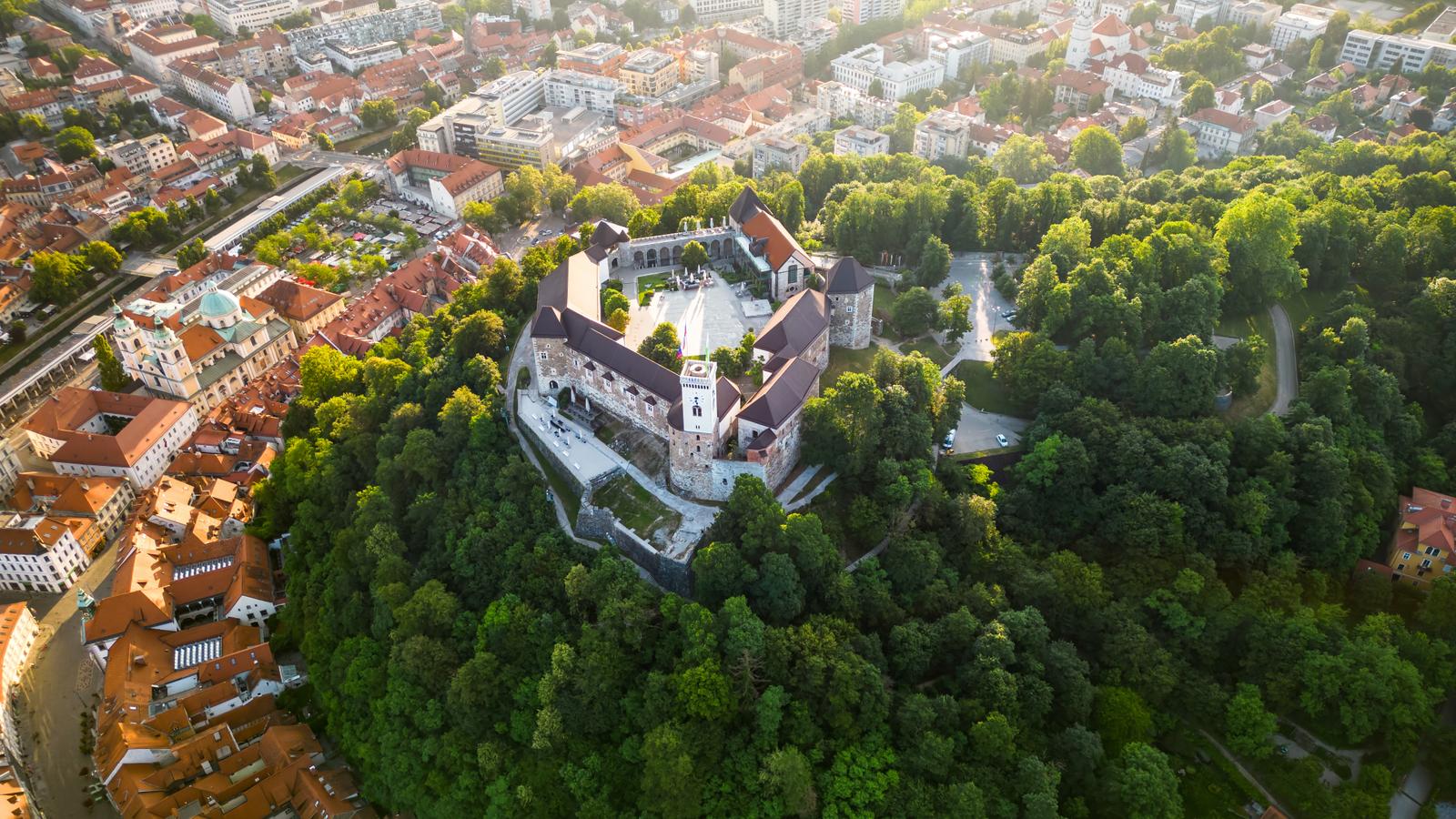
Ljubljana’s municipal elections concluded on Sunday, bringing fresh faces to city council and clarifying which policy proposals will shape daily life in the capital over the coming term. With 47,812 votes counted, according to official city records, three parties will control the bulk of council seats: the incumbent List of Ljubljana, the Greens of Slovenia, and the Social-Liberal Coalition. Smaller parties and independent candidates have lost ground, with several now left without direct representation.
Why These Results Matter for Everyday Life
This shift is more than political maneuvering: it affects real-world changes to services and investments. The new council majority has campaigned on redirecting a larger share of the municipal budget to public transport and energy-efficient housing upgrades, two issues that have dominated local debates since fuel prices spiked last winter. Policy analysts say that, with Greens increasing their seats to 7 (up from 3), proposals for expanding bike lanes and pedestrian zones-like the planned Šiška Connection-are likely to receive fast-track approval. Meanwhile, groups pushing for business tax cuts or delays in property rate increases, such as the City Enterprise Association, lost key supporters when their candidates failed to pass the electoral threshold.
For the roughly 280,000 residents of Ljubljana, these outcomes are expected to influence commutes, rents, and the price of municipal services. Residents in the Rudnik and Vič districts stand to see a direct boost: the council’s agreed priority list includes €12 million earmarked for new pre-school facilities in these areas, with construction approvals promised within 18 months. However, those in Črnuče and Šentvid may have to wait longer for planned flood mitigation works, as the project did not make the immediate funding list, according to the draft city budget released last week.
Specific Gains and Setbacks by Neighbourhood
The impact is uneven within Ljubljana. Families in Bežigrad and Moste-Polje, where affordable rental housing is scarce, can expect more city-funded renovation projects, the legislation states, including 530 social apartment upgrades over the next two years funded through a €21 million allocation in the 2027 draft budget. Seniors living near Tivoli will see the pilot of a new municipal home care scheme, starting in September and initially serving around 420 households. Conversely, youth employment programmes championed by smaller opposition parties, which previously funded over 500 internship places annually, are now at risk of consolidation into broader city social spending. Local advocates note these programs may face cuts or restructuring, pending further council debate in August.
According to the official voter turnout report, participation in Saturday’s elections stood at 44.6 percent, the highest since 2018. Policy researchers from the University of Ljubljana’s Urban Studies Centre suggest that contested priorities-especially on climate adaptation and transport-helped drive engagement. The city’s new policy agenda, as detailed in Programme 2027, allocates 28 percent of the municipal budget to environment and sustainable transport measures, a rise of 7 percentage points over the previous council term.
City officials will present a revised action plan to council next Tuesday. The first round of new funding decisions is expected by the end of September, setting the budget course for projects through 2028. Residents are invited to submit comments on the budget proposal via e-uprava.lt until 31 July. Policy analysts say the rate at which priorities now move from promises to implementation will depend on how coalition negotiations develop in the next weeks, with some measures likely to be introduced as early as this autumn. The community’s experience of these political changes will become clearer as the new council votes through practical measures affecting household costs, transport and access to affordable housing through the coming winter and spring.