Politics
Ljubljana City Council Unveils Expanded Jobs and Infrastructure Plan for Autumn 2026
Major municipal investments target improved local transport, increased public sector hiring, and extended hours for city services, impacting daily life and job prospects for Ljubljana residents.
How we reported this
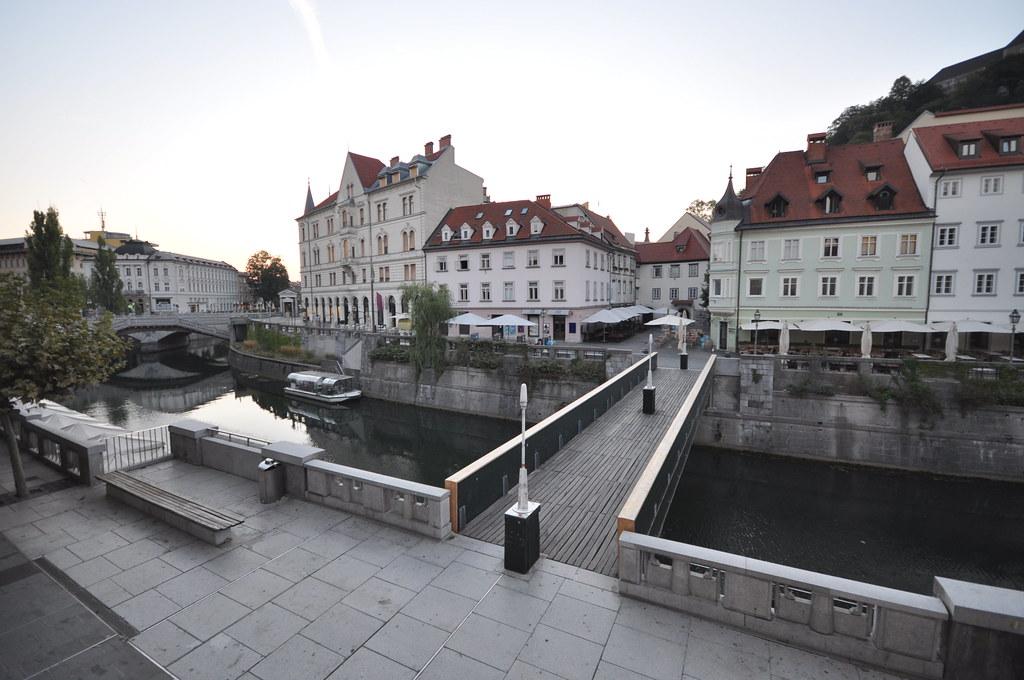
The Ljubljana City Council has announced a new round of policy changes affecting local employment, municipal services, and infrastructure projects, with measures set to roll out from September 2026. The multi-pronged plan includes the hiring of 120 additional public sector workers, increased funding for community health clinics, and a €52 million expansion of the city’s public transport network. City officials say the initiatives are aimed at easing pressure on transit, tackling unemployment, and providing faster access to services for residents throughout the capital.
Why City Services and Jobs Are in Focus
This policy package arrives amid a period of rapid population growth for Ljubljana. According to the Statistical Office of the Republic of Slovenia, the city’s population increased by 2.3% in the past 12 months, the fastest growth rate since 2018. Local employers continue to report worker shortages in healthcare, social care, and transit roles. Meanwhile, city-run clinics have faced an uptick in demand, with wait times now exceeding six days for non-urgent general practitioner appointments, based on municipal health records published in May. These stresses have renewed calls from community groups and policy analysts for expanded hiring and service hours from the municipality.
Impact on Daily Life and Local Jobs
For Ljubljana residents, the changes are expected to bring concrete differences in day-to-day life. With the hiring of 60 new drivers and maintenance staff, LPP (Ljubljanski potniški promet) says it will increase bus frequency on lines serving Šiška, Vič, and Moste by 20% during the morning and afternoon peaks. The council has also committed €4.6 million toward extending opening hours at ten local outpatient clinics, projecting a 15% rise in same-day care bookings by early 2027. New administrative positions at city offices are expected to reduce queue times for document services such as citizen ID and building permits, a process that currently averages over 35 minutes per visit according to monthly council service dashboards.
Local jobseekers are set to see new openings in the coming months as the municipality launches its autumn hiring drive. The council has allocated €7.5 million from the 2026 city budget for targeted recruitment, particularly in youth employment and re-integrating long-term jobless residents. City employment services expect at least 35 new job placements through partnership programmes with local NGOs and businesses.
Budget Commitments and Next Steps
The city’s mid-year budget update details €52 million earmarked for 2026-27 capital works, with the bulk of new funding devoted to the Ring Bus corridor expansion and refurbishment of the Vič Administrative Centre. Separately, €2 million has been allocated to modernise digital access to city services, which is expected to lower administrative overhead and speed up processing times for applications. The full funding figures are set out in Council Resolution 14/2026, published in late June.
City agencies intend to begin recruitment for the new positions in August, while construction on the bus corridor expansion is scheduled for October. The council’s planning office says residents living on the new line extensions in Rudnik and Bežigrad can expect shorter commutes by next spring. Ongoing monitoring of service delivery metrics will be detailed in quarterly performance reports, with the first update due in December. Residents are encouraged to provide feedback via the city’s participatory budgeting platform as the rollout continues.