Politics
Ljubljana Faces Timeline of Changes as State Legislature Passes Key Bills
New laws affecting energy costs, public transit and social services will begin taking effect in Ljubljana by autumn, with impacts staggered through next year.
How we reported this
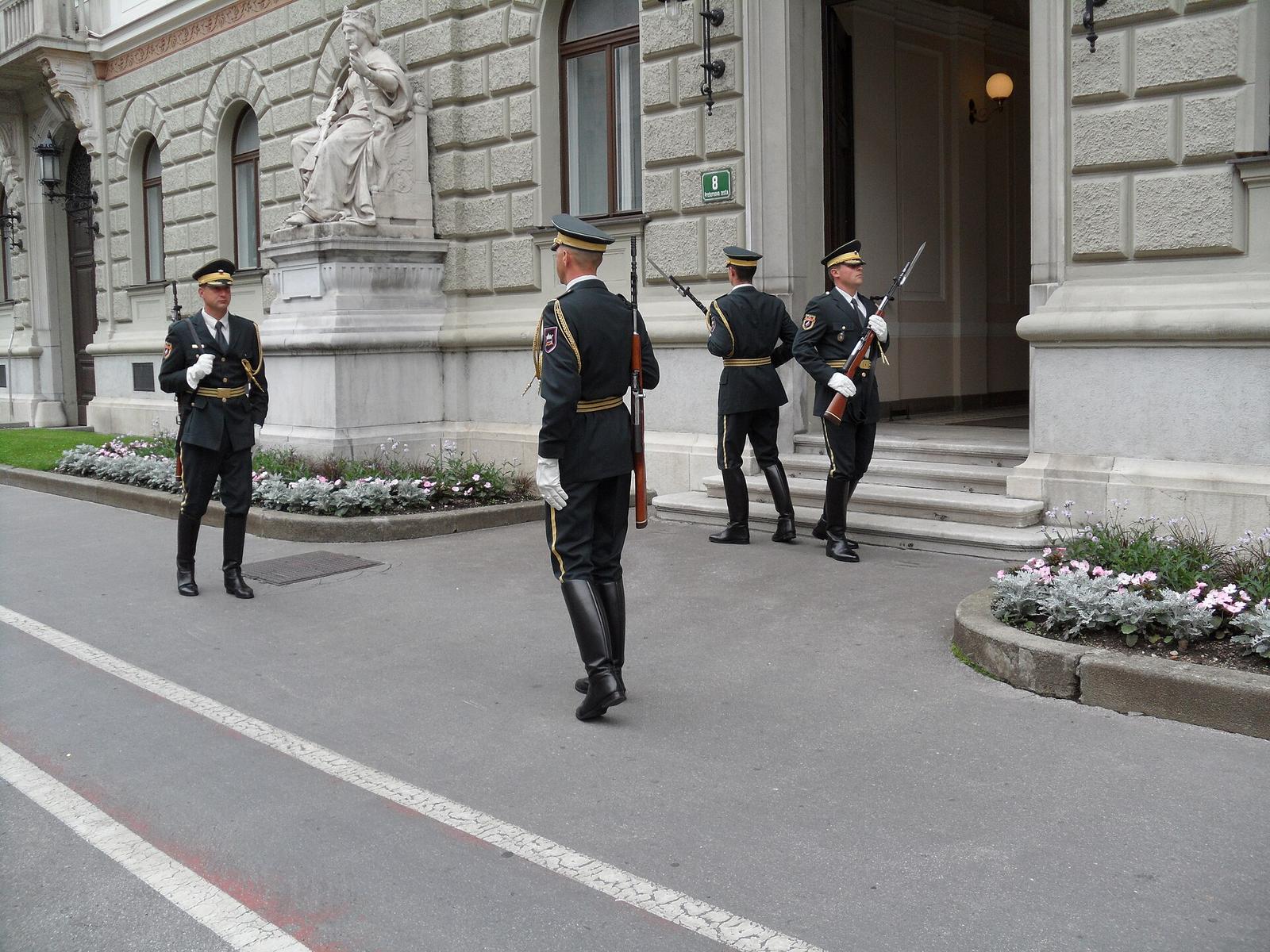
Ljubljana residents will start to see the effects of several new state laws in the coming months, after the National Assembly approved a package of reforms covering energy, transport and social services. The legislation, finalised on 4 July and set for phased implementation, will affect household bills, city transport timetables and eligibility for local assistance programmes.
Why the Changes Matter Now
Lawmakers have paired these bills with the annual budget review, in response to inflation pressures and a national push to align local regulations with new EU directives. According to the Ministry of Infrastructure, an increase in Ljubljana energy surcharges was previously scheduled for October 2025, but the latest legislative changes delay this to January 2027. Policy analysts say this gives residents and businesses an extra year to adapt and helps soften the ongoing rise in energy costs, which averaged 8.2 percent year-on-year in the capital according to the Statistical Office of Slovenia’s most recent data.
What Residents Will Notice First
The earliest local impact will be on public transport. The Ljubljana Passenger Transport Authority has confirmed it will expand night bus services and update fare structures by 1 September 2026, as mandated in the Public Mobility Amendment (Official Gazette RS, 2026/42). Residents who rely on late trains or night shift work are expected to benefit most. The legislation also establishes a pilot low-income fare category, which city officials project could cut monthly transport costs by 25 percent for qualifying households. Local advocates note that changes to social assistance eligibility, including expanded rental support for single-parent households, will come into effect from 1 January 2027, in line with the Welfare Reform Act passed in the same legislative package.
For property owners, amendments to building codes in the Energy Efficiency Bill require new heating system upgrades for residential renovations over €30,000, but only for permits submitted after April 2027. The government says these updates will only apply to about 250 properties per year in Ljubljana, citing data from the Office for Spatial Planning.
Numbers and What Happens Next
The bills involve a combined allocation of €64 million from the national budget for 2026. According to the 2026 budget papers, about €18 million is set aside specifically for local grants to assist low-income households in Ljubljana and surrounding municipalities. The Social Services Directorate has outlined eligibility criteria, and guidance for local application will be circulated through city offices by October 2026.
The next steps are already outlined in the published legislative calendar. The Ministry of Infrastructure will issue energy surcharge updates by late August, while City Hall has scheduled a public forum for 3 September on the public transport changes. Policy analysts expect the rollout in Ljubljana to be gradual, with the most visible effects beginning in the autumn and certain benefits, such as the social assistance expansions, reaching residents early in the new year. Officials say regular updates will be provided as application guidelines and local service adjustments are finalised.