Politics
Ljubljana City Hall Unveils Infrastructure and Jobs Plan for 2026-2030, Targeting Transit and Green Sector Employment
The mayor's office has released a four-year programme committing €450 million to public transport upgrades and renewable energy projects, expected to create 1,200 direct jobs in construction and utilities while improving commute times for the city's 295,000 residents.
How we reported this
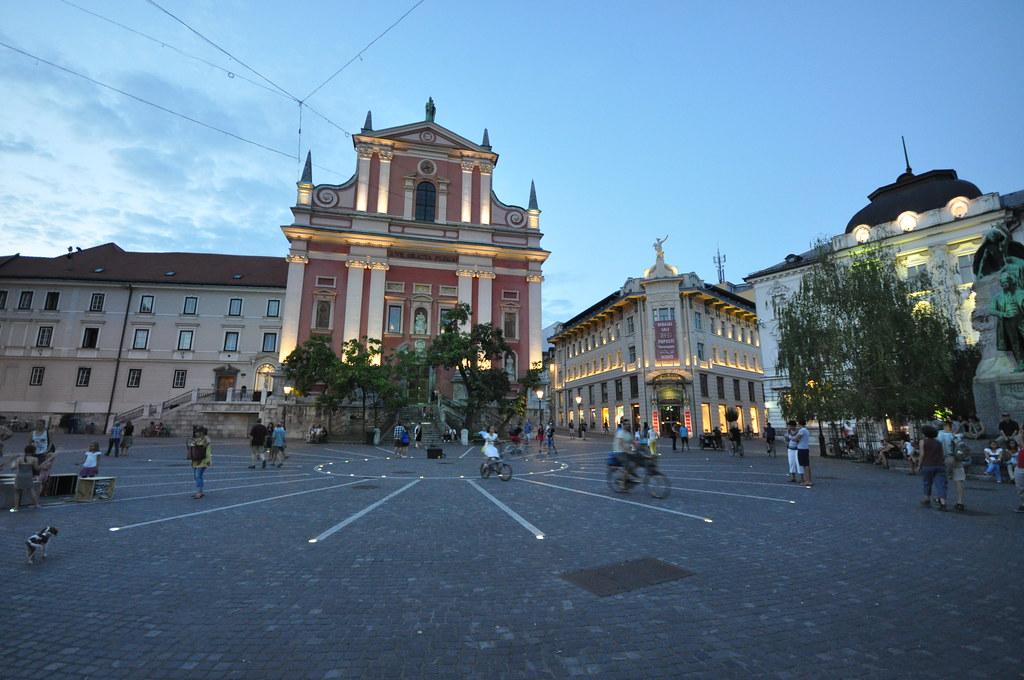
Ljubljana's municipal government released its mid-term infrastructure and employment strategy on Thursday, outlining a €450 million commitment to expand bus rapid transit corridors, renovate public housing stock, and accelerate renewable energy installation across municipal facilities. The plan, covering 2026 through 2030, targets the creation of roughly 1,200 direct jobs in construction, engineering and renewable energy sectors, while aiming to reduce average commute times by 15 minutes for residents travelling from the city's outer zones to the centre.
The timing reflects mounting pressure on local government to address housing costs and job availability in a city where property prices have climbed 28 percent since 2021 and unemployment among residents aged 18 to 24 sits at 11.3 percent, according to the Ljubljana Statistical Office. The plan also responds to national sustainability targets set under Slovenia's 2026 Energy Efficiency Directive, which require municipalities to retrofit at least 3 percent of public building stock annually. City planners say the combined effect of these drivers left little room for delay on infrastructure spending.
What the Plan Delivers for Residents
The first phase, running through 2027, focuses on two bus rapid transit lines connecting the Polje and Dobrunje suburbs directly to the city centre without stops at 11 intermediate stations. The city government says this segment is expected to reduce travel time for roughly 22,000 daily commuters by 12 to 18 minutes. The project will generate contracts for civil works, traffic engineering and vehicle procurement, with the mayor's office estimating 340 construction jobs in the first two years.
Parallel to transit improvements, the council has allocated €180 million for energy-efficient retrofitting of 850 municipal housing units across five residential blocks, primarily in Vič, Moste and Polje districts. Residents in buildings selected for renovation will see heating costs drop by an estimated 35 to 40 percent once improvements including external wall insulation and heat pump installation are complete. The retrofits are expected to create 520 skilled trades positions-plumbers, electricians, insulation specialists-available to workers currently registered with the Ljubljana Employment Centre.
Budget Commitments and Implementation Timeline
The municipal budget papers released alongside the plan allocate €112 million in the 2026 fiscal year, with annual spending projected to rise to €95 million by 2029 as construction peaks. The remaining €243 million is expected to come from EU structural funds under the Just Transition Mechanism and the Recovery and Resilience Facility, though final approval of those grants is pending review by Brussels in September. The city's chief budget officer noted in the presentation that without EU co-financing, the full plan could not proceed as drafted.
A third component worth €78 million involves installing rooftop solar panels on 340 municipal buildings including schools, libraries and administrative offices over the four-year period. This segment is projected to generate 340 jobs in electrical installation and engineering. The solar work is expected to reduce municipal energy spending by €4.2 million annually once all installations reach completion in 2030.
Implementation begins immediately for the first bus rapid transit phase, with contracts for environmental impact assessments due out next month. Housing retrofits are expected to commence in October 2026, subject to final tender approval. The municipal government says it will establish a residents' advisory board for each housing block to manage scheduling and address complaints during construction.