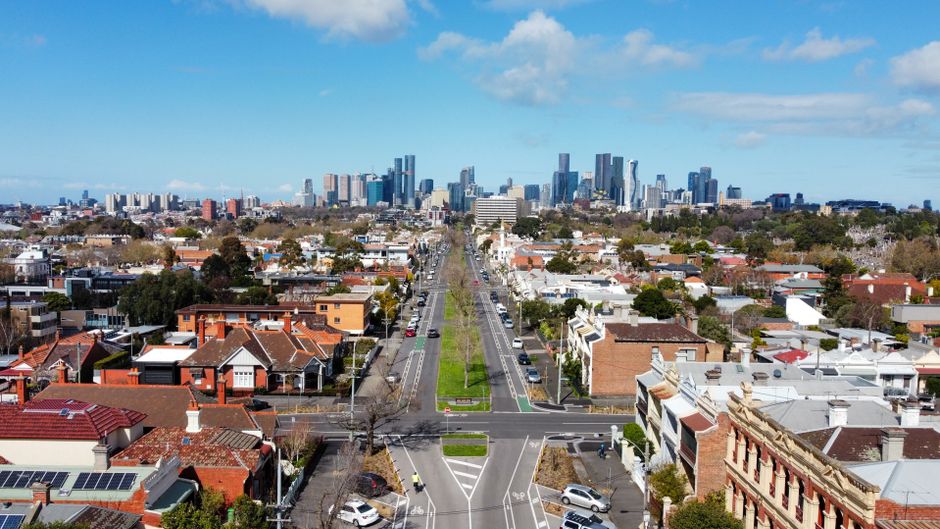
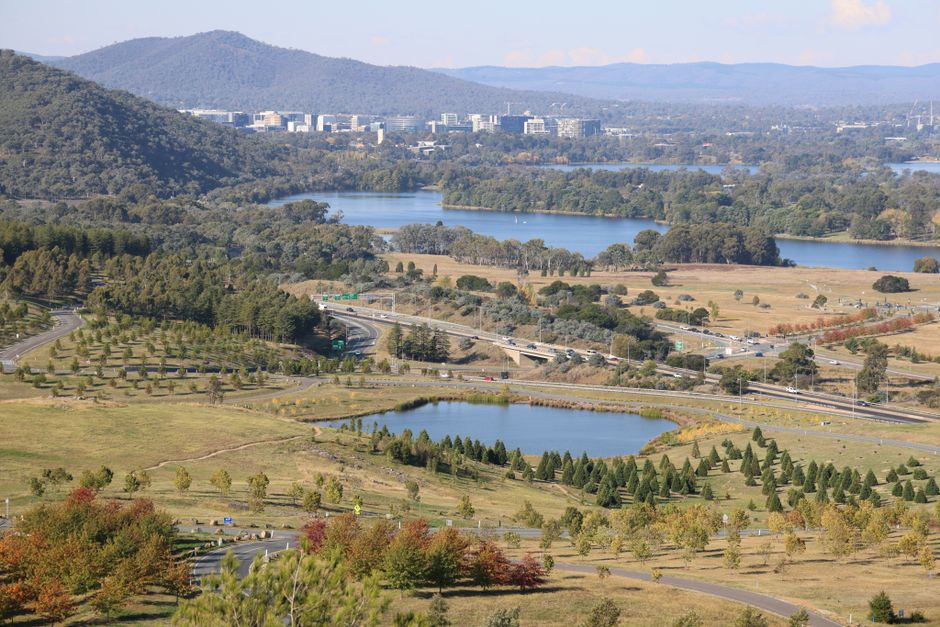
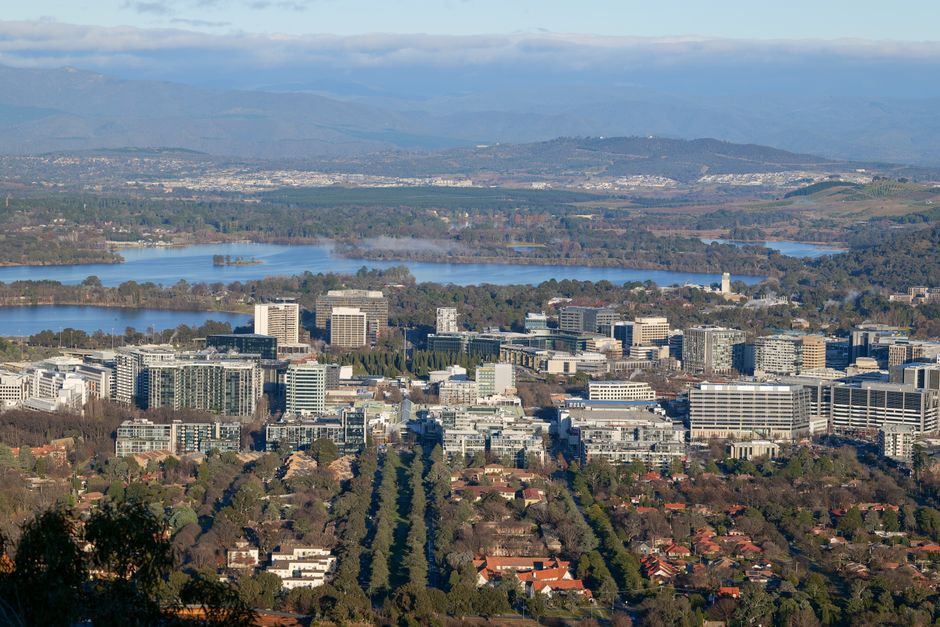
Ainslie, long overshadowed by its glossier neighbours Braddon and Dickson, is emerging as a property hotspot with new rezoning proposals set to hit Canberra City Council next month. The move could pave the way for denser residential builds and revitalised retail strips along key arterials such as Limestone Avenue and the bottom end of Wakefield Avenue.
The prospect has drawn a flurry of interest from investors and younger families shut out of ever-rising prices in established inner-north postcodes. With the ACT median house price now hovering at $835,000, suburbs offering accessibility—and a hint of future uplift—are in high demand, especially as tight rental vacancies and competition among first-home buyers continue to shape the market.
Local Landmarks and Changing Streetscapes
A short stroll from the city centre, Ainslie is known for its leafy streets (Campbell Street and Duffy Street among them), historic Ainslie Primary School, and the bustling Ainslie shops, anchored by Baker’s Delight and Edgar’s Inn. Yet in contrast to nearby Braddon, Ainslie’s streets have remained mostly untouched by the rash of new apartment builds that have swept through the inner north. This may soon change if the Council’s draft rezoning—envisaging low-rise mixed-use development near the northern end of Limestone Avenue, across from the Ainslie Football and Social Club—proceeds as planned.
The current RZ1 (suburban core) limits block subdivision and density, protecting Ainslie’s character dwellings while keeping a lid on new supply. However, under the latest ACT Planning Review proposed in May, sections bordering the Ainslie Shopping Centre precinct are flagged for switch to RZ2 or higher, allowing townhouses, duplexes and up to three-storey apartments. Some long-term residents have expressed concern about changing the fabric of the suburb, while others welcome the chance for a new generation to access the coveted location.
Prices Tick Up as Buyers Take Note
Median house prices in Ainslie, once a modest step below sought-after Campbell and Reid, hit $1.15 million in June 2026, according to Domain figures—a rise of nearly 11 percent year-on-year. Homes within walking distance of the Mount Ainslie Reserve, such as those along Cowper Street and Quick Street, have recently attracted up to 30 registered bidders at auction. Standalone homes remain the norm, but agents report heightened interest in larger corner blocks near the Ainslie shops, particularly from local developers eager to get ahead of possible zoning tweaks. Rentals also remain in short supply, with vacancy tracking just above 0.9 percent across 2602 postcodes, pushing investors to consider new projects. The suburb is also popular with federal public servants, many of whom commute by bike to Russell Offices via the Mount Ainslie path.
Local business owners are also watching with interest. The Ainslie IGA, which has traded at the same corner since 1983, reports a steady uptick in passing traffic and weekend trade, particularly as neighbouring Dickson experiences ongoing infrastructure works. Future plans mooted by the National Capital Authority could see upgraded pedestrian links between Ainslie and the Dickson Group Centre.
What’s Next for Ainslie?
The Council’s public consultation period for the rezoning proposal closes on July 24, after which a revised draft is expected ahead of September’s planning meetings. Buyers hoping to secure a foothold might act now—before any uplift from rezoning is priced in, agents say—but should check the details on the ACT Planning Authority’s website for the latest on affected blocks. Investors targeting the corridor between Limestone Avenue and Majura Avenue should note that draft boundaries remain subject to revision. For owner-occupiers, the suburb’s parks, cycling routes and heritage feel remain strong drawcards, but watch for upgrades or disruptions as the area’s future takes shape.