Property
Ljubljana Apartment Prices 2026: Market Trends
Ljubljana apartment prices hit €4,250/m² in Q2 2026. Discover how the capital's property market differs from the 2021 boom and what it means for buyers.
4 min read
Property
Ljubljana apartment prices hit €4,250/m² in Q2 2026. Discover how the capital's property market differs from the 2021 boom and what it means for buyers.
4 min read
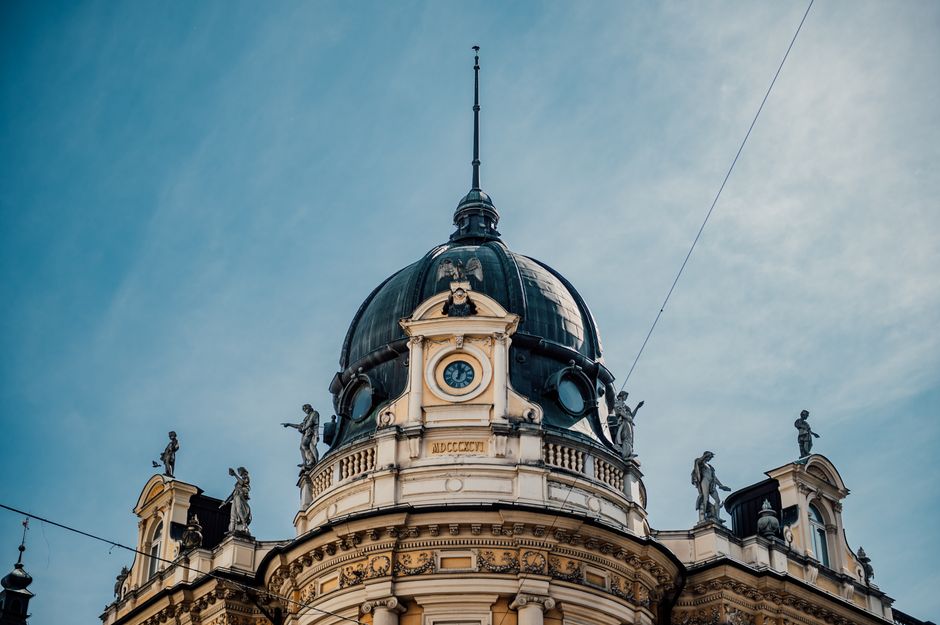
Ljubljana apartment prices hit an average of €4,250 per square metre in the second quarter of 2026, according to data from the Surveying and Mapping Authority of the Republic of Slovenia (GURS) — up roughly 7 percent year-on-year, but still well short of the frenzied double-digit gains that defined the 2021 boom cycle. The numbers confirm what agents working the Bežigrad and Šiška districts have been saying for months: the market is hot, but it is a different kind of heat.
That distinction matters. In mid-2021, the combination of near-zero interest rates, pandemic-era savings and a chronic shortage of new builds produced a buying frenzy across Ljubljana that pushed prices in some central neighbourhoods up by 15 to 18 percent in a single calendar year. The Bank of Slovenia subsequently flagged residential property as a systemic risk. Today the European Central Bank's deposit rate sits at 2.15 percent — down from its 2023 peak but nowhere near the zero-bound conditions that supercharged 2021. Borrowing costs are real again, and buyers feel them.
That context is particularly relevant right now. With geopolitical instability running from the Baltic to the Persian Gulf affecting energy costs and construction supply chains across Central Europe, Slovenian developers are facing higher input prices even as demand moderates. Several projects in the Polje district, originally scheduled for handover in late 2025, have slipped into 2026. That continued supply squeeze is doing much of the work keeping Ljubljana prices elevated even as mortgage volumes fall.
Walk from Slovenčeva ulica in Bežigrad down toward the medieval core around Mestni trg and you see the bifurcation clearly. Bežigrad, traditionally popular with families and civil servants for its proximity to BTC City shopping and good schools, saw average resale prices reach €4,050 per square metre in Q2 2026 — a 6.2 percent annual rise. New builds there are rare, and almost everything listed moves within 45 days. The Old Town and immediate surrounds are a different calculation entirely: prime units near Prešeren Square are being listed at €6,500 per square metre and above, targeting foreign buyers and Slovenians returning from Western Europe. That segment is effectively decoupled from the broader market.
The real contrast with 2021, though, is in transaction volumes. GURS figures show roughly 3,800 residential transactions completed across the Ljubljana urban area in the first half of 2026, compared to approximately 5,200 in the same period in 2021. Buyers have not disappeared, but they are pickier, slower to commit and more reliant on pre-approval financing through Nova KBM and NLB's mortgage desks, both of which have reported longer processing queues this spring. The Stanovanjski sklad RS — the national housing fund — continues to drip-feed affordable units into the market under its 2024–2028 programme, but output remains modest relative to demand, particularly for one- and two-bedroom apartments below €250,000.
The conditions in July 2026 do not favour the speculative flip. Anyone expecting a repeat of 2021's appreciation curve — buy in spring, sell in autumn for a 12 percent gain — is reading the wrong chart. Price growth is real but gradual. The more likely scenario, assuming ECB rates hold steady through the end of the year, is continued single-digit annual appreciation, with the strongest performance concentrated in walkable inner-city neighbourhoods like Trnovo and Krakovo, where housing stock is genuinely scarce and rental yields run between 4.5 and 5.2 percent.
For buyers who have been sitting on the sidelines waiting for a correction, the data offers little encouragement. Inventory across Ljubljana's residential portals — including Nepremičnine.net, the dominant listing platform — is down 18 percent compared to July 2024. Supply is not coming fast enough to tip the balance. The practical advice from analysts at the Ljubljana-based consultancy Kapital Group is consistent: if you have financing in place and a unit you want, the case for waiting is weak. The boom is over; the market is not.

Property
Property
Property
Property
About this article
Published by The Daily Ljubljana
Spread the word
Daily brief
Free, in your inbox before 7am. Weekdays.
The Daily Network — local news across Australia