Canberra's technology sector has quietly become one of the nation's most consequential innovation engines—not through venture capital spectacle, but through something far more distinctive: deep institutional alignment between startups, government agencies and research bodies that few other cities can replicate.
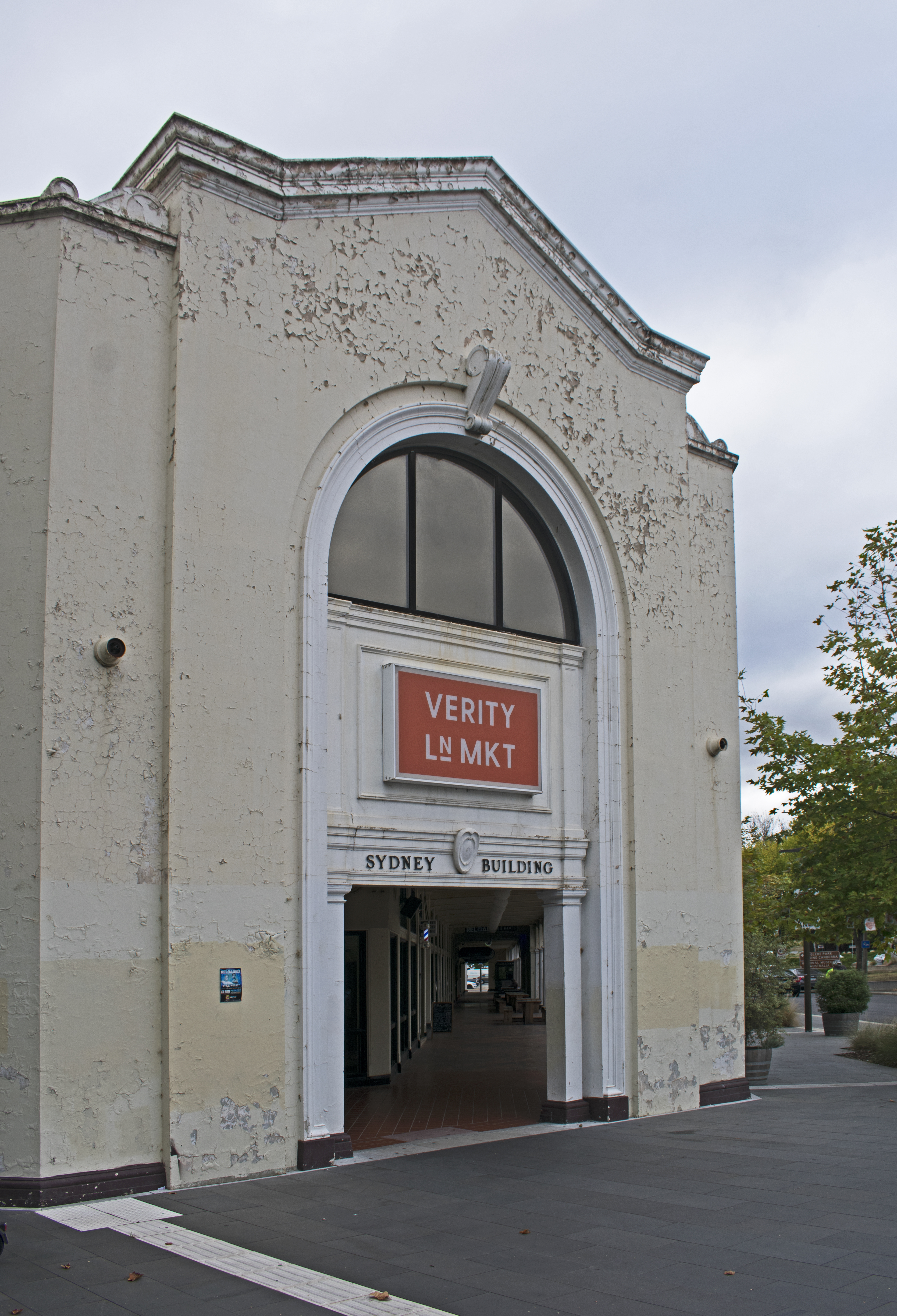
Walk through the Braddon precinct or along Lonsdale Street in Fyshwick, and you'll find emerging companies solving problems that most tech hubs barely consider. Cybersecurity firms developing critical infrastructure defences. Defence-tech startups working on autonomous systems. Climate analytics platforms born from ANU partnerships. These aren't accidental clusters—they're ecosystems shaped by proximity to policy-makers, national security frameworks and world-class research institutions.
The numbers tell the story. Canberra hosts over 800 technology companies employing roughly 6,500 people directly in tech roles, with indirect employment pushing toward 18,000 across the broader innovation sector. While Sydney and Melbourne dominate venture capital headlines, Canberra's median tech salary of $95,000-$110,000 remains highly competitive without the eye-watering cost-of-living premium that drives talent away from overcrowded hubs.
What makes Canberra globally distinctive is its regulatory and policy advantage. Companies developing government-facing solutions, data governance platforms or security technologies benefit from proximity to decision-makers at Parliament House and agencies across Kingston, Barton and Deakin. This isn't corruption—it's structural efficiency. When your customer base includes federal departments, being able to collaborate directly on requirements reshapes how innovation happens.
The innovation precincts reflect this. Spaces like Stone & Chalk's Canberra hub, housed in heritage-listed buildings across the inner south, deliberately blend corporate, government and academic partners. ANU's Entrepreneurship Hub and the University of Canberra's innovation programs feed startup pipelines that other cities would struggle to match in policy-domain expertise.
There's also genuine diversity in funding sources. While Australian venture capital remains concentrated in Sydney, Canberra attracts government grants, defence procurement investments and university commercialisation funding streams that create less volatile growth trajectories than pure VC dependency.
The city's challenge remains visibility. Global tech media barely covers Canberra, leaving many investors unaware that companies solving infrastructure-scale problems are operating from here. Yet that invisibility has been paradoxically protective—allowing genuine problem-solving to flourish without the performative hype that characterises other hubs.
As geopolitical tensions reshape global supply chains and governments prioritise domestic technology sovereignty, Canberra's model—innovation rooted in public-sector collaboration, policy expertise and strategic alignment—looks increasingly prescient. This isn't accidental tech success. It's institutional architecture meeting entrepreneurial ambition.
This article was compiled by AI and screened before publishing. See our editorial standards.