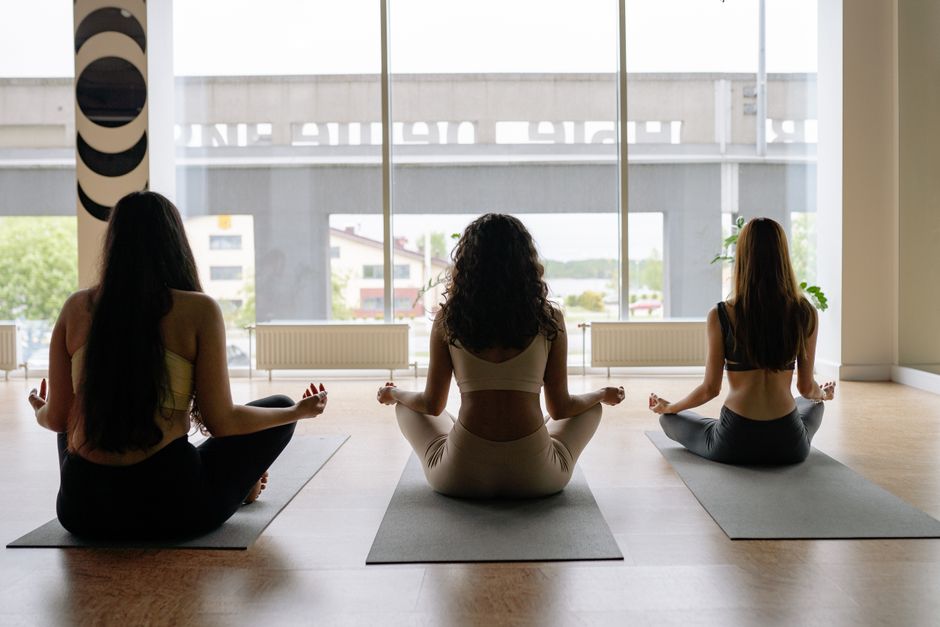
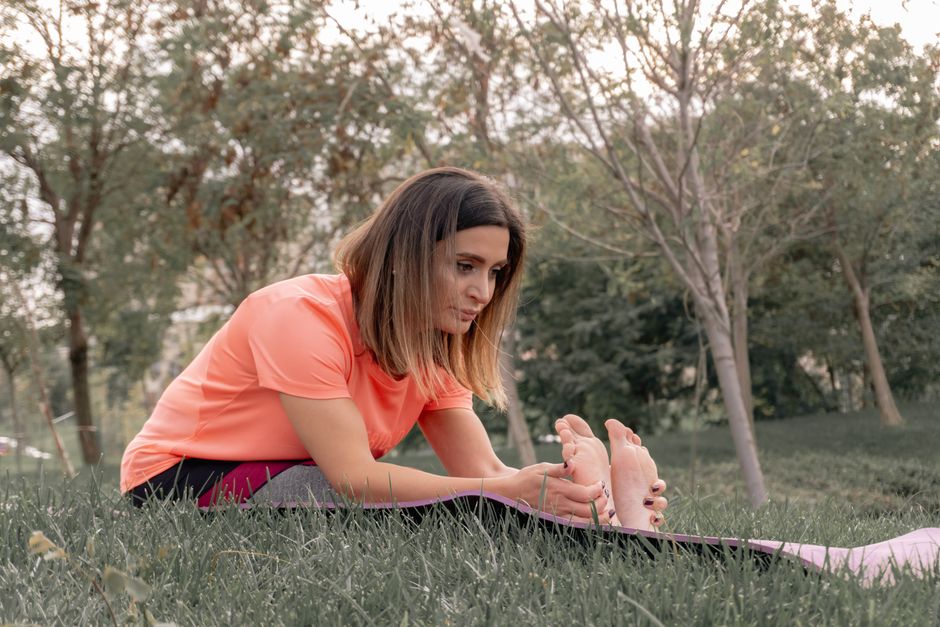
Yoga class attendance across the ACT has risen sharply since mid-2025, with several Canberra studios reporting waitlists of two to three weeks for popular evening sessions. The surge is real, but so is the confusion about what you're actually signing up for — and choosing the wrong style for your body or schedule can mean you quit before you've given it a proper shot.
Winter is historically when Canberrans make wellness commitments and just as quickly abandon them. July temperatures in the capital regularly drop to single digits overnight, which makes a heated studio on Marcus Clarke Street or a Sunday morning community class in Tuggeranong genuinely compelling. The question is which door to walk through.
The main styles, decoded
Hatha is the entry point most instructors recommend. Classes run around 60 to 75 minutes, hold poses for longer, and prioritise alignment over speed. It suits shift workers, parents of young children, or anyone returning to exercise after injury. Several community centres in Belconnen and Woden run Hatha sessions through the ACT Health–supported Active Ageing program, with concession pricing around $8 to $12 per class.
Vinyasa links breath to movement in flowing sequences and raises the heart rate enough to count as moderate-intensity cardiovascular exercise — a relevant point given the Australian Institute of Health and Welfare's 2025 finding that only 55 percent of Australian adults meet weekly physical activity guidelines. If you're cycling the Lake Burley Griffin trail on weekends and want a complementary indoor practice that doesn't feel like sitting still, Vinyasa is a logical fit. Studios in New Acton and on Lonsdale Street in Braddon run Vinyasa at $22 to $28 per casual class, with unlimited monthly memberships ranging from $95 to $140.
Yin yoga is the opposite proposition entirely. Poses are held for three to five minutes, targeting deep connective tissue rather than muscle. It pairs well with high-stress desk jobs — and Canberra has no shortage of those. The ACT government and federal public service together employ tens of thousands of people within a few kilometres of Civic. Yin classes have quietly become popular lunchtime options near Barton and Parkes, running 45 minutes and fitting inside a standard lunch break.
Bikram and hot yoga use rooms heated to 35–40 degrees Celsius. Proponents cite improved flexibility and detoxification; critics note the evidence base is thinner than the marketing suggests. Either way, it requires a serious hydration strategy in a city where the air is already dry. At least two dedicated hot yoga studios operate within 10 kilometres of Civic. If you have cardiovascular concerns, speak to a GP before starting — ACT Health runs a GP Helpline at 132 281 for general queries.
Restorative yoga uses bolsters, blankets, and props to hold the body in supported positions for up to 10 minutes. It is not exercise in any conventional sense; it is nervous system regulation. Beyond Blue's ACT mental health resources increasingly point people toward mind-body practices like restorative yoga as a complement to psychological treatment, particularly for anxiety and burnout.
Where to start in Canberra
Parkrun Tuggeranong at Greenway draws hundreds of participants each Saturday morning, and several regulars have started adding a Sunday Yin class as active recovery — a combination local physios increasingly endorse. The ANU Sport and Fitness Centre on Kamberra Way runs a structured six-week yoga foundations program each term, open to the public from $180 for the series, which works out to $30 per session and includes instruction on breath work and posture fundamentals.
For Canberrans unsure where to begin, most studios offer a two-week introductory pass for $30 to $40 — enough time to sample three or four different styles without committing to a membership. The practical advice from studio instructors is consistent: try Hatha first if you're a beginner, Vinyasa if you want a workout, Yin if your back hurts, and Restorative if you haven't slept properly in six months. Canberra almost certainly has a studio within 15 minutes of wherever you live. The harder part is walking in. As always, consult your GP or a local allied health professional before starting any new physical practice, particularly if you have an existing health condition.