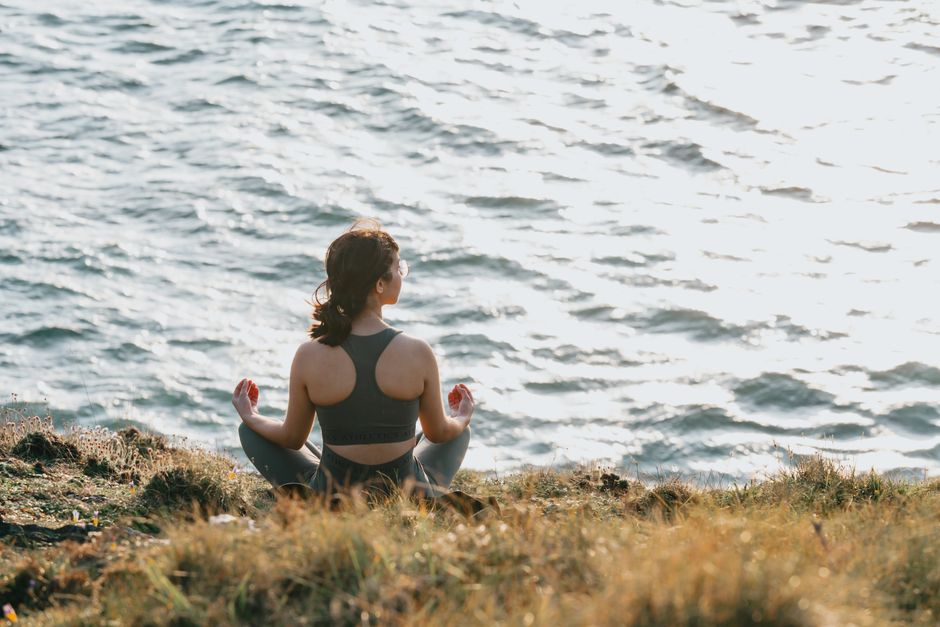
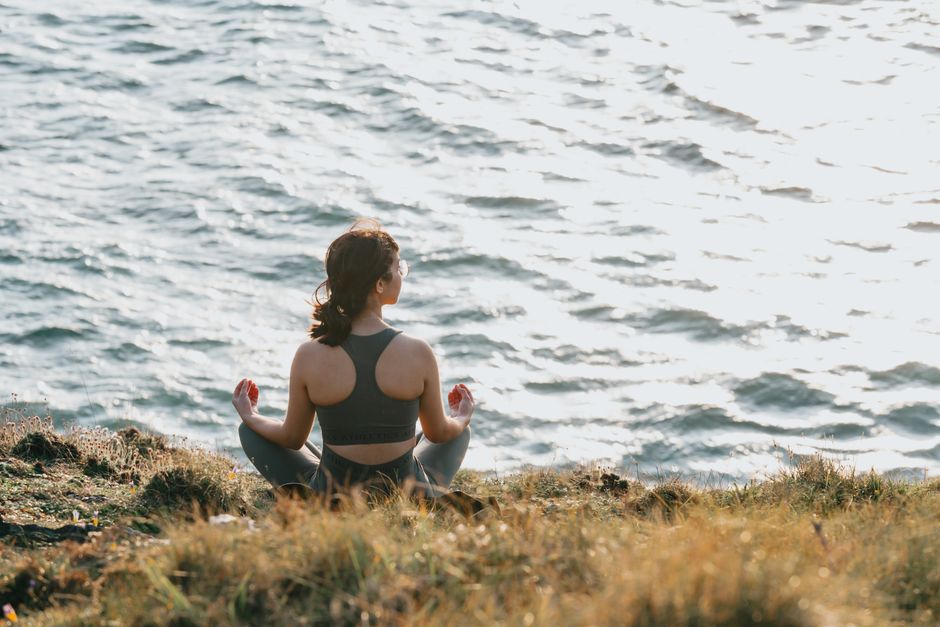
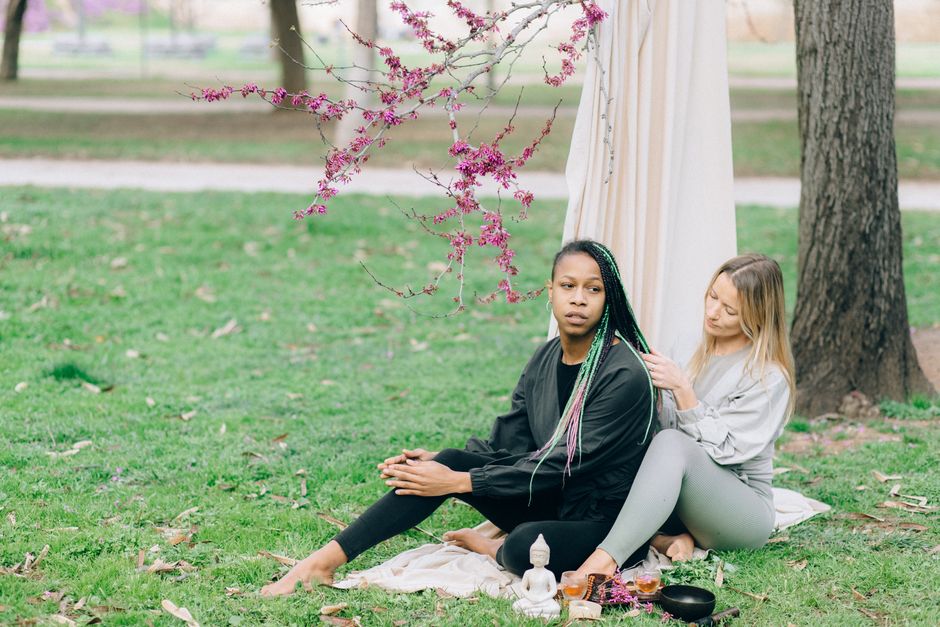
Canberra turns cold and clear in July, and by 7 a.m. the light across the Brindabellas is the kind that stops people mid-stride. That stillness is no accident — and a growing number of residents are deliberately chasing it, rolling out yoga mats and settling into meditation sessions at the city's parks and lakeside reserves before most of the ACT has poured its first coffee.
The timing matters. July marks the midpoint of winter, when sunrise sits around 7.18 a.m. and temperatures at dawn hover between two and five degrees Celsius. That window — cold, quiet, and lit gold from the east — has become something of a ritual for outdoor wellness communities across the capital. Fitness instructors, parkrun volunteers and mental health advocates alike point to the combination of natural light exposure and movement as one of the more accessible tools for managing winter mood dips, a concern that ACT Health has flagged in its seasonal wellbeing resources for 2026.
Where to go
The lawns at Commonwealth Park, running along Parkes Way near the northern shore of Lake Burley Griffin, are the most obvious starting point. The open grass faces northeast, catching the first direct light as it clears the ridge behind the National Gallery. On a clear July morning the frost burns off quickly, leaving dry turf that works surprisingly well under bare feet. The park is council-maintained and free to access around the clock.
For something with elevation, the Red Hill Nature Reserve off Mugga Lane in Forrest offers a handful of flat clearings near the main lookout platform. The view west over the inner south at sunrise is unobstructed, and the surrounding scribbly gum woodland muffles traffic noise from Hindmarsh Drive below. It is a 10-minute drive from the CBD and has free parking off Red Hill Drive.
Across town, Tuggeranong Homestead Reserve near Gordon has attracted a loose community of early walkers and yoga practitioners who gather near the heritage-listed homestead ruins on Saturday mornings. The Parkrun Tuggeranong course, which starts at 8 a.m. Saturdays at Lakeside Foreshore, also passes close by — meaning the 7 a.m. to 8 a.m. window before the run is already populated with stretching, breathing and the occasional guided meditation session run informally by participants. Parkrun is free and requires a one-time online registration.
The Australian National Botanic Gardens on Clunies Ross Street open at 8.30 a.m. in winter, which rules them out for the earliest risers, but the gardens run a monthly Mindful Mornings program — the next session is scheduled for 19 July 2026 — that pairs a slow walk through the rainforest gully section with a 20-minute seated meditation. Tickets are $12 and bookings are handled through the gardens' website.
The evidence behind the early start
The science supporting outdoor morning practice has sharpened considerably in recent years. A 2024 meta-analysis published in the International Journal of Environmental Research and Public Health found that adults who exercised outdoors before 9 a.m. reported 23 per cent lower levels of perceived stress compared with those who exercised indoors at the same hour. Light exposure in the first hour after sunrise also plays a role in regulating cortisol patterns, according to research cited by the Sleep Health Foundation Australia.
Beyond Blue's ACT arm has incorporated outdoor movement into several of its community resilience programs running this year, recommending a minimum of 20 minutes of morning outdoor exposure as a low-cost adjunct to other mental health supports during the winter months.
For those new to outdoor yoga or meditation in Canberra, the ChooseACT Wellbeing Directory, maintained by the ACT Government, lists free and low-cost classes across the city — including a Tuesday sunrise yoga session that has been running at the Acton Peninsula foreshore since March. Layers are non-negotiable in July: instructors consistently advise wool base layers, a mat with grip for dewy ground, and arriving five minutes early to acclimatise before settling into stillness. Anyone with specific health concerns should speak with a GP or allied health professional before starting a new outdoor practice.