Wellness
Gut Health 101: Fermented Foods You Can Find Locally
From Braddon delis to Tuggeranong farmers' markets, Canberra has quietly become a solid hunting ground for the fermented foods your microbiome has been waiting for.
4 min read
Wellness
From Braddon delis to Tuggeranong farmers' markets, Canberra has quietly become a solid hunting ground for the fermented foods your microbiome has been waiting for.
4 min read
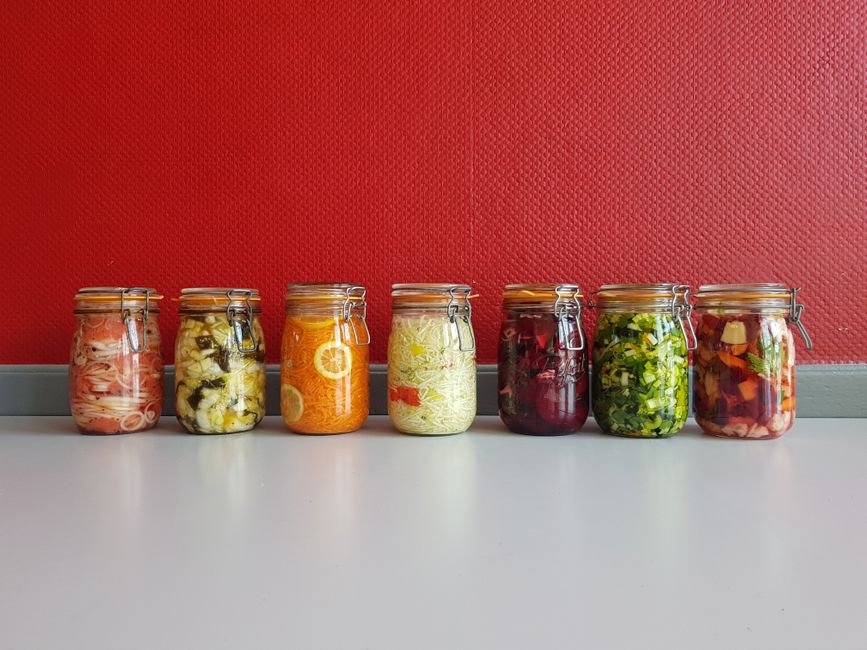
Interest in gut health has hit a genuine inflection point in Australia, and Canberra's food scene is keeping pace. Sales of fermented foods — think kimchi, kefir, kombucha, and traditionally made sourdough — have grown steadily at ACT independent grocers over the past two years, with several Braddon and Dickson retailers reporting fermented products now accounting for a meaningful slice of their chilled goods turnover. The gut health conversation has moved well beyond wellness influencers and into GP waiting rooms.
The timing matters. A significant body of research published through institutions including the Walter and Eliza Hall Institute of Medical Research has reinforced what nutritionists have argued for years: a diverse gut microbiome is linked to better immune function, mood regulation, and reduced systemic inflammation. The global fermented food market was valued at approximately USD $847 billion in 2023 and is projected to keep climbing. Locally, that translates to more shelf space, more small producers, and — critically — more options for Canberrans looking to eat their way to better gut health without ordering from Melbourne.
Dickson's Asian precinct on Woolley Street is the most obvious starting point. Korean grocery stores there stock multiple varieties of kimchi — fermented napa cabbage packed with lactobacillus bacteria — at prices ranging from roughly $8 for a 400-gram jar to $22 for a one-kilogram tub. Authentic kimchi should list napa cabbage, gochugaru, garlic, and ginger as its core ingredients; avoid anything with added vinegar, which short-circuits the fermentation process and kills the live cultures that make it useful for gut health.
The Capital Region Farmers Market at EPIC, Exhibition Park in Mitchell, runs every Saturday morning from 7:30am and has become a reliable source of small-batch fermented products. Several stallholders sell raw sauerkraut, water kefir, and traditionally fermented dill pickles. Prices for a 500-millilitre jar of raw sauerkraut typically sit between $12 and $16. The key word is "raw" — pasteurised versions, common in supermarkets, don't carry live cultures. Look for the words "unpasteurised" or "contains live cultures" on the label.
For dairy-based fermentation, full-fat kefir — a fermented milk drink with a tart, slightly fizzy character — is stocked at the Belconnen Fresh Food Markets and at several IGA stores across Tuggeranong. A 500-millilitre bottle runs about $6 to $9. Nutritional data from Food Standards Australia New Zealand puts a standard serve of kefir at roughly 110 calories with around 6 grams of protein and documented counts of multiple probiotic strains including Lactobacillus acidophilus and Bifidobacterium lactis.
Sourdough bread baked via genuine long fermentation — not the supermarket variety that uses added acids to mimic the flavour — offers modest prebiotic benefit, feeding the existing bacteria in your gut rather than introducing new ones. Knightsbridge Bakery in Manuka and several stalls at the Southside Farmers Market in Hughes both produce long-fermented sourdoughs. Ask the baker how long the dough proofs; anything under 12 hours is almost certainly cutting corners.
Kombucha has exploded across Canberra café menus since roughly 2022. A 330-millilitre bottle at most venues costs between $6 and $8. It does contain live cultures and organic acids, though the evidence on its specific health benefits is considerably thinner than for kefir or raw sauerkraut. Treat it as a lower-sugar alternative to soft drink rather than a medicinal product.
One reality check worth stating plainly: fermented foods are food, not pharmaceuticals. ACT Health dietitians at the Canberra Hospital outpatient services in Garran are the right people to talk to if you have diagnosed digestive conditions like IBS or inflammatory bowel disease — some fermented foods can aggravate those conditions in specific individuals. Beyond Blue's ACT arm also flags the gut-brain connection as an emerging area of interest for people managing anxiety, but personal supplementation or dietary changes should go through your GP first.
For everyone else, a jar of kimchi from Dickson and a Saturday morning at EPIC is a perfectly reasonable place to start.

Wellness

Wellness

Wellness

Wellness
About this article
Published by The Daily Canberra
Spread the word
Daily brief
Free, in your inbox before 7am. Weekdays.
The Daily Network — local news across Australia