wellness
Why Ljubljana Residents Are Sleeping Worse and What to Do About It
Longer daylight hours and rising evening screen use are cutting into rest for many in the capital this summer.
How we reported this
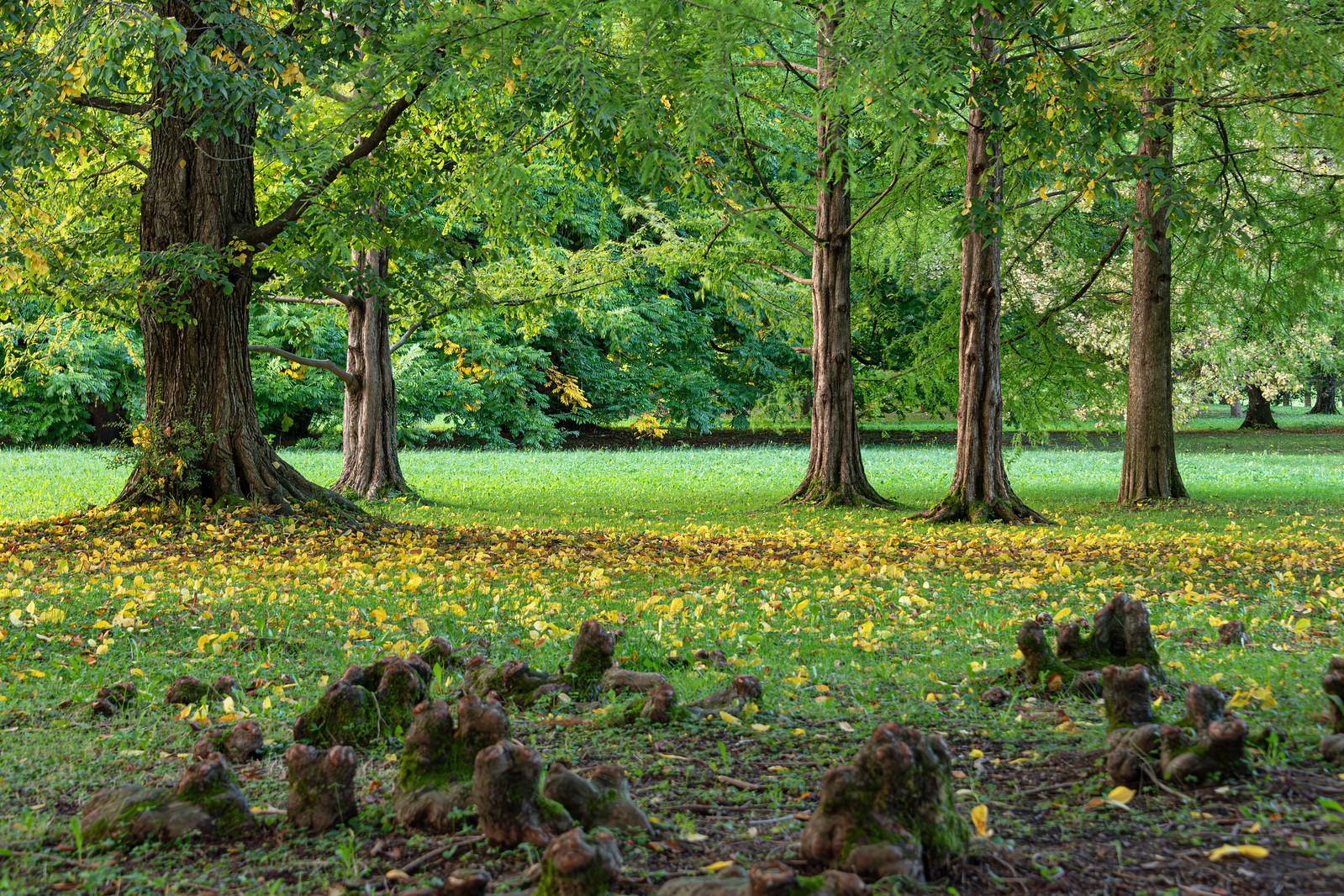
A survey released last month by the Ljubljana Public Health Institute found that 47 percent of adults in the city now average under six hours of sleep on weeknights, up from 32 percent in 2023.
The increase tracks with longer daylight in July and heavier reliance on phones after work. Residents along streets such as Trubarjeva and Čopova report staying online past midnight, while construction noise near the Ljubljanica river adds to the disruption. These patterns matter now because the city’s summer tourism peak brings extra evening activity and later closing times at cafés and bars.
Local programs already in place
The City of Ljubljana runs a free sleep workshop series at the Bežigrad community centre on Tuesday evenings, drawing 40 to 50 participants each week. Across the river, the Tivoli Park wellness path offers guided 20-minute wind-down walks that start at 8:30 p.m. on Wednesdays and Fridays through August. Both initiatives began in spring 2025 and have waiting lists for the next round.
National data from the Slovenian Institute of Public Health, published in April, showed a 19 percent rise in sleep-related GP visits in Ljubljana between 2024 and 2025. Average melatonin supplement sales at local pharmacies on Prešeren Square climbed 28 percent in the same period, with prices ranging from €9 to €14 for a month’s supply.
Steps that fit into daily routines
Residents who cut phone use after 10 p.m. and keep bedrooms between 18 and 20 degrees report falling asleep 25 minutes earlier on average, according to the institute’s follow-up checks. Those who cannot attend the Bežigrad sessions can pick up a printed sleep log at the main library branch on Kersnikova Street and track patterns for two weeks before speaking with a local doctor.