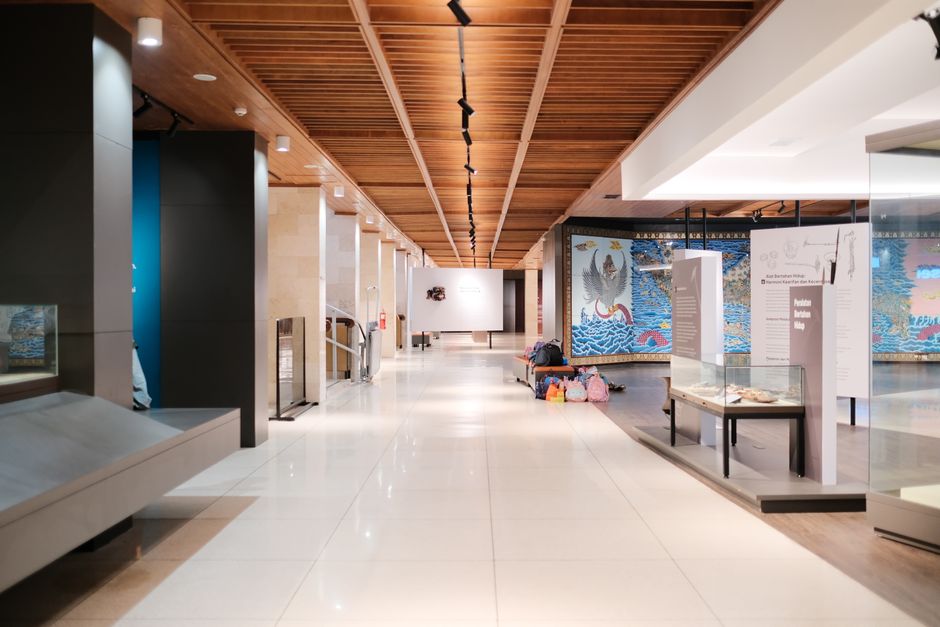
Canberra's heritage movement has stopped asking for permission. On the second Tuesday of every month, a rotating group of historians, architects, and local residents gathers at the Canberra Museum and Gallery on Parkes Place to argue about which brutalist office buildings deserve saving and which 1970s suburban pockets hold untold stories about the city's early migrant communities.
What started three years ago as an informal coffee-table discussion has evolved into something resembling an organized force. The Heritage Advocacy Collective, as they've named themselves, now coordinates with the National Capital Authority and the ACT Heritage Council on preservation priorities—and increasingly, they're winning. A decommissioned 1964 Public Service office block on Northbourne Avenue, slated for demolition, now faces a mandatory heritage review after the collective submitted a 47-page submission backed by community signatures.
The shift matters because Canberra spent most of the past 70 years treating its own recent past as disposable. The city's foundational mythology—a "garden city" planned from scratch—left little room for celebrating the actual places where people lived, worked, and built communities. That's changing as younger Canberrans push back against the narrative that only the City Center's monumental architecture counts as culturally significant.
From Forgotten Neighbourhoods to National Conversation
Start in Dickson. The suburb, built in the 1920s to house public servants, was slated for "urban renewal" in the 1980s—a euphemism that meant demolishing original cottages and replacing them with medium-density development. The Dickson Community Association fought back with a heritage campaign that documented resident oral histories and photographed the original weatherboard homes. Today, Dickson's character is legally protected under the ACT Heritage Act 2004, and property values have risen 18 percent since 2023, according to ACT real estate data compiled by local agent Canberra Property Group.
The Heritage Advocacy Collective has pushed similar work in Braddon and Downer, working with the Canberra Heritage Precinct Committee to catalogue stories that official records omitted. They've documented the Italian, Greek, and Yugoslav communities who lived in those neighborhoods during the 1950s and 1960s, creating an archive that contradicts the persistent myth that Canberra was a city built by Australian-born professionals. These weren't just housing stories—they were stories about how ordinary people made a planned city actually livable.
Last month, the collective presented research to the ACT Legislative Assembly's scrutiny committee showing that 34 percent of Canberra's pre-1970 residential stock has been demolished or substantially altered since 2010. By contrast, comparable Australian cities like Brisbane and Perth have preserved closer to 60 percent of their mid-century housing stock. The finding sparked unexpected cross-party concern about whether Canberra's rapid densification was erasing the very distinctiveness that defines the city's identity.
Where This Leads Next
The movement has picked up institutional weight. The Australian Institute of Architects' Canberra chapter now co-hosts quarterly heritage walks through neighborhoods like Capital Hill and Forrest. The National Archives, located on Queen Victoria Terrace, launched a public digitization project in March where residents can upload photographs and memories tied to specific addresses. Within four months, they'd received 8,700 submissions—evidence of deep appetite among Canberrans to see their own lived experience recognized as part of the city's story.
What happens next depends partly on planning decisions in the next 18 months. The ACT government is reviewing heritage protections ahead of potential legislative changes in late 2026. The Heritage Advocacy Collective is lobbying for expanded definitions of what counts as heritage-worthy—pushing beyond individual buildings to protect streetscapes, neighborhoods, and the social networks embedded in them.
For Canberrans watching this unfold, the practical takeaway is simple: if your neighborhood has a story worth keeping, document it now. The collective meets the second Tuesday of each month at the museum. They're not waiting for official historians to decide what matters. They're deciding themselves.