culture
Your complete guide to Canberra's best heritage and cultural experiences right now
From Parliament House tours to indigenous art galleries, here's where to experience the capital's layered identity this winter.
4 min read
Updated 5 h ago
culture
From Parliament House tours to indigenous art galleries, here's where to experience the capital's layered identity this winter.
4 min read
Updated 5 h ago
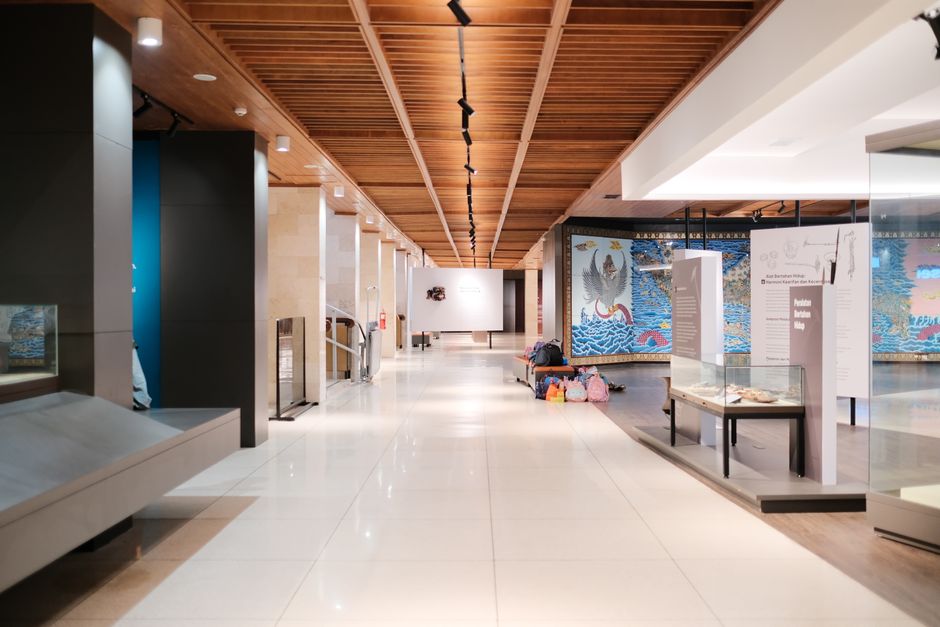
Canberra's cultural institutions are running at full throttle this winter, offering residents and visitors a rare window into the conversations shaping the nation's self-understanding. The timing matters: as debates about Australian identity intensify across the political landscape, the capital's museums and heritage sites have become makeshift forums where citizens can grapple with history on their own terms.
The shift reflects a broader hunger. After years of treating heritage as something dusty and ceremonial, Canberrans are now using cultural spaces to ask harder questions. What does this place mean? Who built it, and whose stories got left out? These aren't academic exercises—they're urgent cultural work happening in real time.
Begin at the National Museum of Australia on Lawley Crescent in Acton. The permanent collection anchors itself around everyday Australian life rather than grand narratives, with particular depth in indigenous histories and migrant experiences. The museum has restructured its ground floor to lead with First Nations perspectives—a quiet but deliberate editorial choice that shifts how visitors absorb what follows. Entry runs $15 for adults, and most people spend two to three hours working through the galleries properly.
From there, cross Lake Burley Griffin to Parliament House itself. The guided tours, which run hourly between 9:30am and 4pm on sitting days, take you through the building's architectural bones and its symbolic weight. You'll stand in the Great Hall where national moments have been performed, then walk onto the roof lawns where you can see the city's geometric planning unfold beneath your feet. Tours are free, but book ahead through the parliamentary website; weekend slots fill fast, especially during school holidays.
Don't skip the Canberra Museum and Gallery on London Circuit in Civic. The gallery's current roster includes works from the Heidelberg School collection alongside contemporary indigenous artists. The museum's local history section—particularly the section on Canberra's construction between 1913 and the 1940s—shows how the city was built by workers housed in temporary camps that later became suburbs. This context transforms how you see the place afterwards.
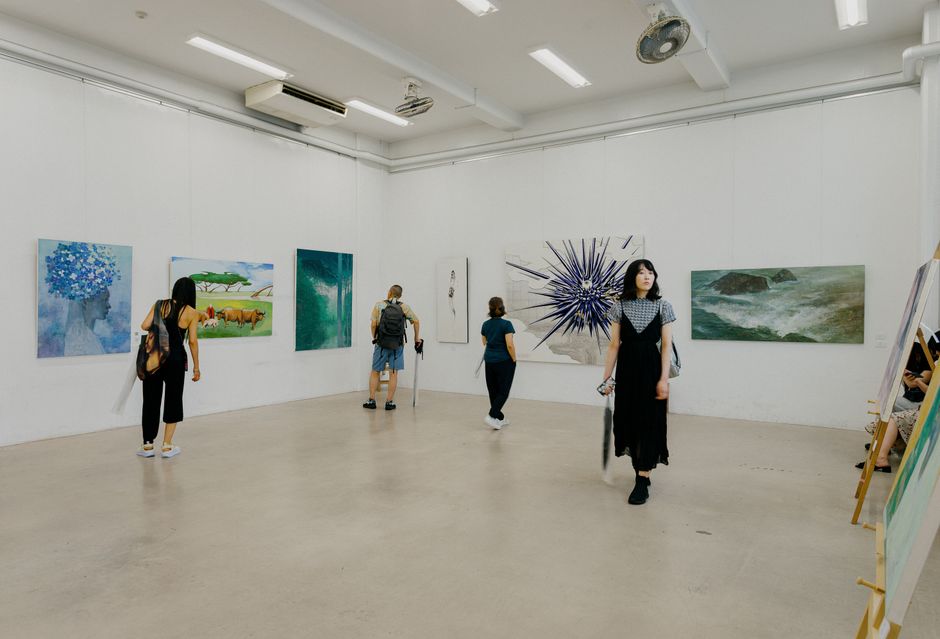
Smaller venues do deeper, weirder work. The Canberra Contemporary Art Space in Manuka, tucked into a converted warehouse on Manuka Circle, programs exhibitions that interrogate what it means to make culture in a purpose-built capital. Recent shows have explored surveillance, urban renewal, and indigenous futurity—subjects that rarely get museum treatment elsewhere.
The National Gallery of Australia, which sits adjacent to Parliament House on the King Edward Terrace campus, houses the country's most significant collection of Australian art. The Australian galleries track aesthetic shifts across two centuries, including major works by Arthur Boyd, Sidney Nolan, and Emily Kame Kngwarreye. Entry costs $25 for a day pass, though special exhibitions sometimes carry additional fees.
Statistics tell part of the story. The ACT government's cultural strategy, released in 2024, noted that 47% of Canberrans engage with cultural institutions at least once annually. That's higher than the national average, but it masks who actually shows up. Indigenous engagement with mainstream museums remains statistically lower than for other demographic groups, even as those institutions have invested in repatriation and co-curated displays.
If you're interested in the less polished version of heritage, the Canberra Heritage Walks program runs guided tours through suburbs like Forrest and Red Hill, showing how domestic architecture and public space design encoded particular visions of the good life. These tours, organised through the National Trust ACT, cost $20 and run monthly on weekends.
The practical question: start with what draws you personally. If you care about how the nation governs itself, Parliament House first. If you want indigenous perspectives, the National Museum's restructured galleries go deeper than the larger institutions' token nods. If you're curious about how people actually lived here, hit Canberra Museum and the heritage walks.
Book ahead. Winter school holidays run through mid-August, and most institutions report 30–40% higher foot traffic during those weeks. Most venues are open 9am–5pm, with extended Thursday hours at the larger museums. Parking around Lake Burley Griffin remains a bottleneck; arrive early or use public transport.
About this article
Published by The Daily Canberra
Spread the word
Daily brief
Free, in your inbox before 7am. Weekdays.
The Daily Network — local news across Australia