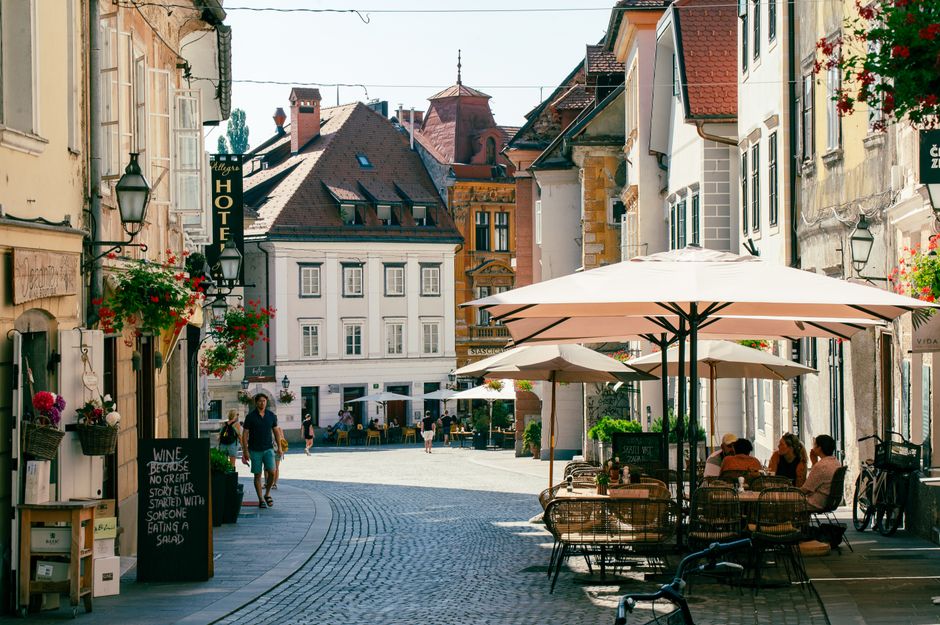
The Ljubljana City Museum's decision to open a satellite gallery in Trnovo last September wasn't just a curatorial gamble. It signalled something deeper: the city's cultural gravity is shifting eastward, pulling investment, foot traffic, and fresh energy toward neighbourhoods that five years ago felt peripheral to anyone who didn't live there.
The shift reflects a broader realignment of Ljubljana's neighbourhoods driven by three concrete forces. The expansion of the LPP (Ljubljanski potniški promet) bus network in early 2024 added direct connections from Trnovo to the railway station in 18 minutes instead of 35. Simultaneously, the municipality's housing renovation grants—which peaked at 40,000 euros per property in 2025—triggered a wave of façade work and interior upgrades across Trnovo, Moste, and the formerly overlooked strips of Spodnja Šiša. Add to that the opening of two major creative hubs: Tovarna Rog, the artist collective that colonised an old factory space on Gregorčičeva ulica in Moste, and the newly expanded food market at Ljubljanica riverside (completed in April 2026), and you have the ingredients for genuine neighbourhood transformation.
Residents and first-time visitors notice the texture of these changes immediately. Walk Trnovo's Prešernova ulica now and you'll find the street animated in ways it wasn't three years ago. The Botanical Institute remains, but it's flanked by three new independent coffee roasters, a bookshop focused on Central European literature, and a run of renovation-era design studios spilling out from converted apartments. One block west, the Trnovo Market (operating Thursdays and Saturdays) has become the place where younger Ljubljanans who've priced out of Stari trg now source vegetables and gossip in equal measure.
Where Locals Actually Spend Their Money
Data tells a cleaner story. Commercial property enquiries in Trnovo surged 67 percent year-on-year through Q1 2026, according to figures from the Ljubljana Chamber of Commerce. Average rental prices for a two-bedroom apartment in Trnovo climbed to 1,100 euros monthly by June 2026, up from 850 euros in 2023. That's still substantially below Stari trg rents (which routinely breach 1,600 euros), but the velocity of change is what locals are processing. Moste has tracked similarly: properties on Dimičeva ulica sold at an average of 5,800 euros per square metre in the first half of 2026, compared with 4,200 euros two years prior.
The population shifts are real, not imagined. The Statistical Office of the Republic of Slovenia registered net migration of 580 residents into Trnovo between January and May 2026, with the bulk arriving from outside Slovenia—software engineers from Berlin, architects from Vienna, teachers from across the EU seeking affordable living in a functional European capital. That's reshaping the social texture of both neighbourhoods visibly. Trnovo's secondary schools have seen non-Slovenian enrolment rise to 18 percent as of this academic year, up from 6 percent in 2021.
For newcomers and tourists, the practical advice is straightforward. If you're hunting accommodation or considering a longer stay, stop assuming everything that matters happens in Stari treg or the Ljubljana Centre. Trnovo and Moste now offer better value, faster access to the railway station and airport-bound buses, and a more cohesive sense of actual community—the kind that exists beyond postcard views. The LPP number 11 bus runs every 12 minutes from Trnovo's market straight to the city's core. From Moste, the number 27 hits the Ljubljanica riverside development in seven minutes flat.
The neighbourhoods aren't finished transforming. Municipal permits filed in June 2026 show plans for a new public library branch in Moste (scheduled to open in 2028) and a pedestrian bridge across the Ljubljanica from Trnovo directly to the expanded riverside market—both projects that will accelerate what's already underway. For those watching Ljubljana evolve, these aren't neighbourhoods on the cusp of change anymore. The change is here, visible in the scaffolding and the packed weekend markets, measurable in rental prices and migration flows. Locals have already noticed. Visitors ought to as well.