This article was generated by AI from the linked public sources. The Daily Ljubljana is independently owned and covers Ljubljana news free from advertiser or sponsor influence. Read our editorial standards →
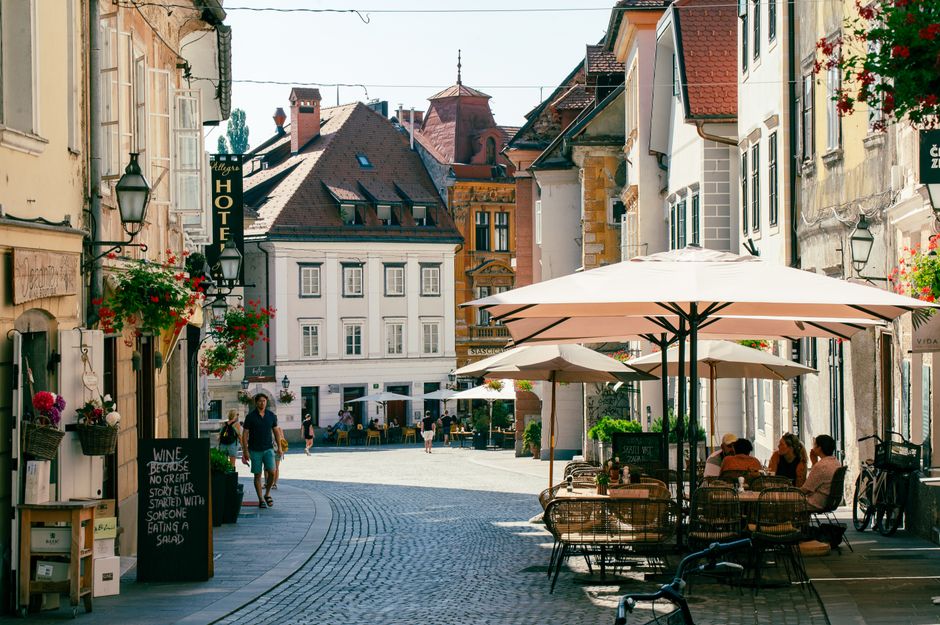
Ljubljana’s culinary identity is shedding its formal skin in 2026, pivoting toward hyper-local, neighborhood-focused hubs that prioritize community over white-tablecloth pretense. While the city has long been a crossroads for European transit, this year’s most successful ventures are those that serve as extended living rooms for residents rather than tourist-only pit stops.
The shift comes as property values in the center rise, pushing independent operators to cultivate deeper loyalty among regulars. Residents are now favoring spots where the barista knows their name and the menu changes based on the morning’s haul from the Central Market on Pogačarjev trg. It is no longer just about the quality of the roast; it is about the social infrastructure built within four walls.
The Pulse of Trnovo and Beyond
In the Trnovo district, establishments like Kavarna Rog are proving that adaptive reuse of industrial space can yield a genuine sense of belonging. The site, which underwent a major renovation in late 2025, has become a focal point for the local creative class. Unlike the sterile chains seen in other major European capitals, the seating here is communal and the Wi-Fi policy is intentionally restrictive to encourage face-to-face conversation. A short walk away, the bakery Osem on Stari trg continues to draw queues that stretch onto the cobblestones by 8:30 a.m., relying on a small-batch model that prioritizes sourdough integrity over high-volume output.
Data from the Ljubljana Tourism Board indicates that spending at locally-owned independent eateries has increased by 14 percent compared to the same period in 2024. The average price for a specialty cortado now sits at 3.20 EUR, a modest increase that owners attribute to the sourcing of beans from ethical micro-roasters in the Goriška Brda region. Furthermore, 62 percent of new business permits issued in the city center during the first half of 2026 were for cafes with fewer than 40 seats, signaling a clear departure from the large-scale dining concepts of the previous decade.
Community-Led Culinary Shifts
The rise of the "neighborhood haunt" model has also forced a change in how we evaluate success. Institutions like Čopomana are measuring growth by member retention rates rather than total foot traffic. These venues often double as informal town halls, hosting neighborhood association meetings or gallery openings for local artists, effectively insulating themselves from the volatile shifts of the global travel market. This hyper-local resilience is critical as the city faces increasing heat waves that frequently disrupt standard outdoor dining schedules.
For those looking to get the best out of the city this weekend, skip the high-traffic squares near the Triple Bridge. Instead, head toward the residential pockets in Poljane or Vič. You will find that the best morning service is found where the menu is limited to three choices and the seating is squeezed into an alleyway. If you arrive early enough, grab a pastry from a local bakery and observe the neighborhood rhythm; in Ljubljana, the character of the street is revealed long before the kitchen staff turns on the espresso machine.
Covering lifestyle in Ljubljana. This article was generated by AI from the linked sources and was not reviewed by a human editor before publishing. See our editorial standards.