News
By the Numbers: What Canberra's Crime Statistics Reveal About Public Safety in 2026
New data from ACT Policing shows where emergencies cluster across the capital, and what residents should know about response times.
3 min read
News
New data from ACT Policing shows where emergencies cluster across the capital, and what residents should know about response times.
3 min read
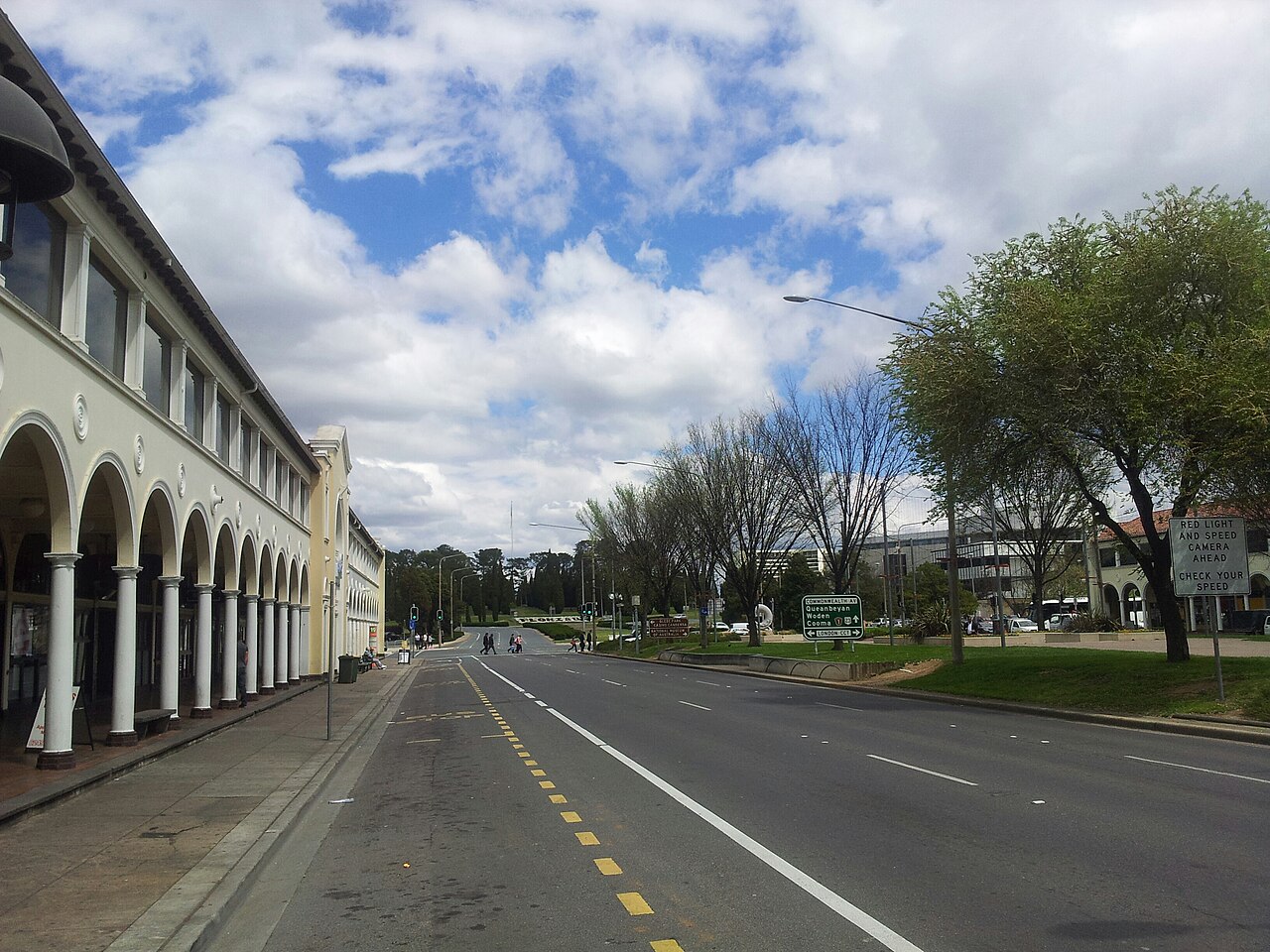
Canberra's crime landscape is telling a story written in data points, and the latest figures paint a picture of a city where incidents cluster in predictable patterns—information emergency services are using to reshape how they protect the territory.
ACT Policing's first-half 2026 report reveals 4,847 reported incidents across Canberra's 195 suburbs, with Civic and Belconnen emerging as statistical hotspots. Civic alone accounted for 312 incidents—a 12 percent increase from the same period last year—driven largely by theft from retail precincts along Bunda Street and the City Walk precinct. Response times to priority calls in the city centre average 8.3 minutes, compared to the ACT-wide average of 11.7 minutes.
Burglary remains the most frequently reported crime across residential areas, with Tuggeranong recording 89 incidents and Gungahlin 76. However, the data reveals a counterintuitive pattern: suburbs with faster response times—those within 2.5 kilometres of police stations in Woden and Belconnen—show only marginally lower burglary rates. This suggests opportunity and social factors matter as much as police presence.
Sexual assault reports have risen 19 percent year-on-year, with 287 recorded incidents in the first half of 2026. The ACT's Sexual Assault and Family Violence Centre, based in Canberra, has expanded from handling 1,200 cases annually in 2023 to 1,847 in 2025. Waiting times for counselling have stretched to 8–12 weeks in some cases, according to latest available data.
Traffic incidents tell their own story. The intersection of Northbourne Avenue and London Circuit has recorded 34 reportable accidents since January—making it the capital's second-most dangerous crossing. Conversely, the Barton Highway upgrade has reduced incident rates by 22 percent in its corridor, suggesting infrastructure investment directly saves lives.
Emergency call volumes paint a broader picture of pressure on services. ACT Emergency Services Agency receives approximately 185 emergency calls daily, with 60 percent non-police related. Average ambulance response times to life-threatening emergencies stand at 7.2 minutes across the inner north, but stretch to 13.4 minutes in outer Gungahlin—a gap that matters when seconds count.
The statistics underscore a reality: Canberra remains one of Australia's safer cities, with crime rates roughly 18 percent below the national average. Yet data also shows where vulnerability concentrates—in certain suburbs, at particular times, and among specific populations. As the ACT looks toward 2027, police and emergency services leaders are using these numbers to argue for resource reallocation, from Civic's retail precincts to Gungahlin's expanding fringes, where response times and incident rates tell a story still being written.
This article was compiled by AI and screened before publishing. See our editorial standards.

News

News

News

News
About this article
Published by The Daily Canberra
Spread the word
Daily brief
Free, in your inbox before 7am. Weekdays.
The Daily Network — local news across Australia