Prime Minister Anthony Albanese faced mounting pressure this week from several Australian music acts over artificial intelligence companies' use of copyrighted material without permission, in a development that has resonated across Canberra's creative and policy communities.
The escalation came as multiple bands and artists—including acts known to be on the PM's personal playlist—issued a coordinated open letter calling for legislative intervention. The timing coincides with ongoing parliamentary discussions about intellectual property reform, a matter increasingly urgent for Australia's $5.2 billion music industry.
The letter, released Wednesday, stressed that AI training datasets have been harvesting recordings and compositions without artist consent or compensation. For Canberra-based musicians and the broader creative workforce, the issue strikes at the heart of how federal policy shapes artistic viability in the capital.
"This isn't theoretical anymore," said one Canberra music venue operator from the Braddon precinct, where live music venues have struggled with pandemic recovery. "Our artists are seeing their work used to train systems that could undercut their own earnings."
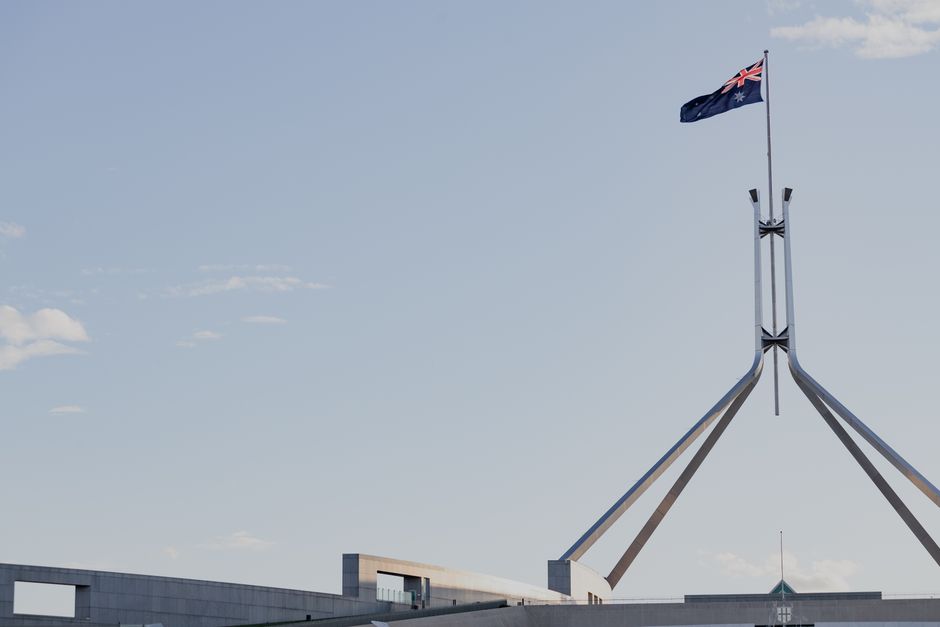
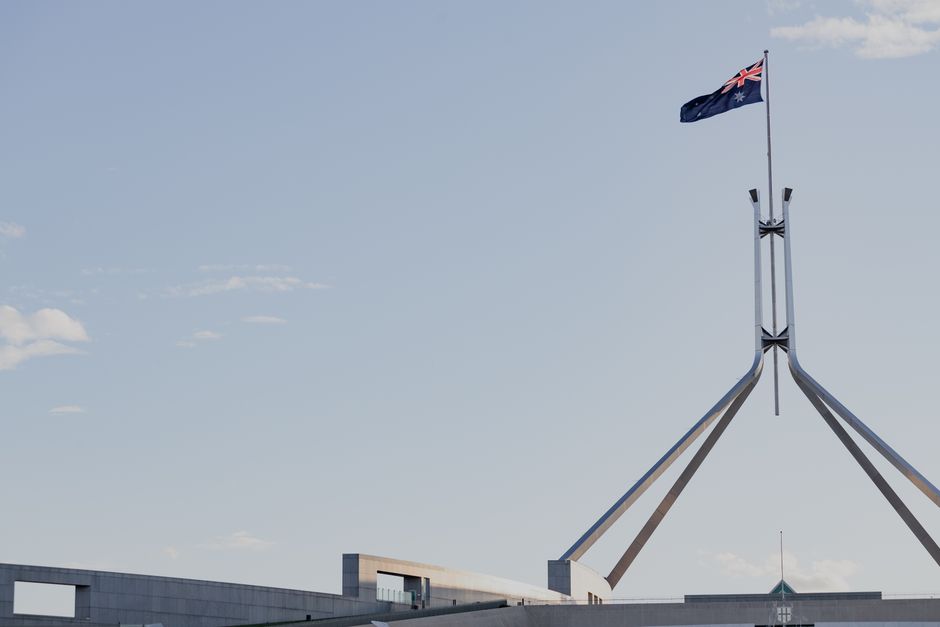
The government has flagged potential amendments to the Copyright Act, though no timeline has been confirmed. Sources close to Parliamentary House indicated discussions this week centred on balancing innovation incentives with artist protections—a tension familiar to Canberra's policy establishment.
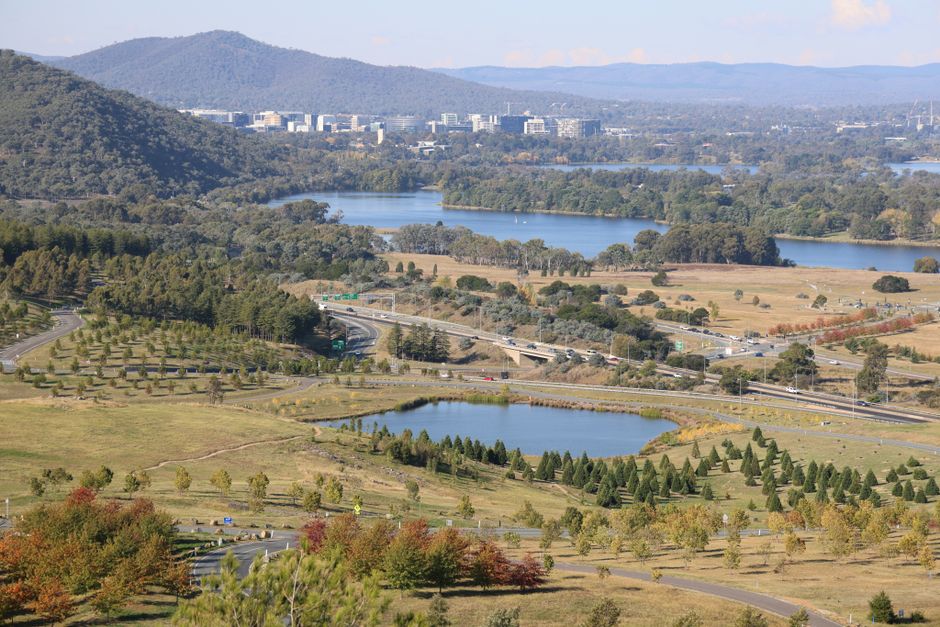
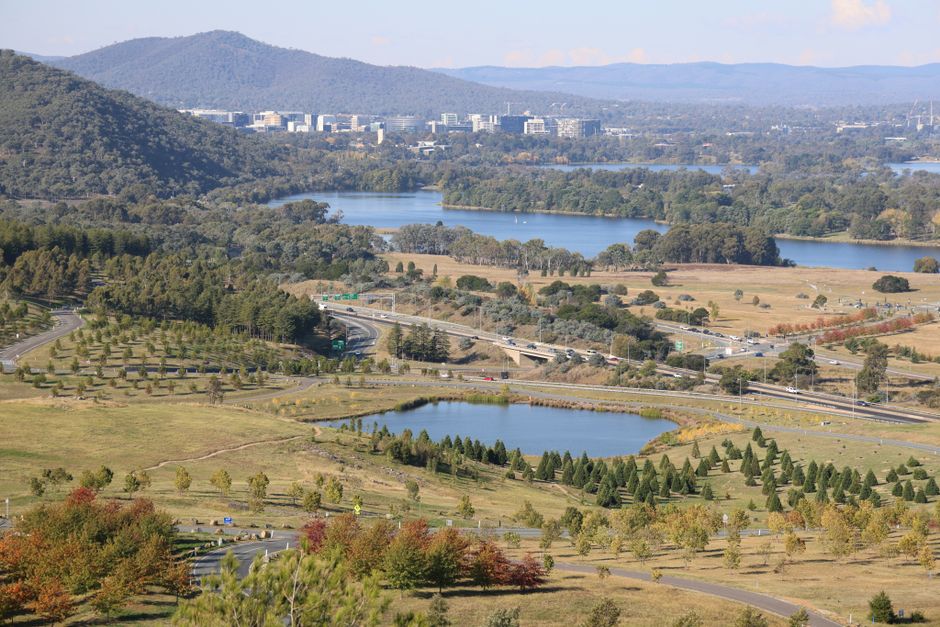
The issue carries particular weight in the nation's capital, where the ANU School of Cybernetics and UC's creative research programs employ dozens of researchers examining AI governance. Both institutions have flagged concerns about current frameworks failing creators.
Artist advocacy organisations, including bodies representing performers across Australia, have called for mandatory licensing agreements and revenue-sharing models. These would require AI companies to negotiate with rights holders before using material—a model successfully implemented in European jurisdictions.
The PM's office acknowledged receipt of the letter but has not committed to specific legislative measures. Parliamentary question time this week saw opposition members push for detail, with government responses emphasising ongoing consultation.
For Canberra's creator economy—already shaped by housing affordability pressures that affect younger artists—the regulatory vacuum represents a critical juncture. Industry observers note that delays in protection frameworks risk pushing emerging talent toward more lucrative markets abroad.
The debate continues to unfold as cabinet considers formal policy responses, expected to be discussed further when Parliament resumes sitting next week.
This article was compiled by AI and screened before publishing. See our editorial standards.