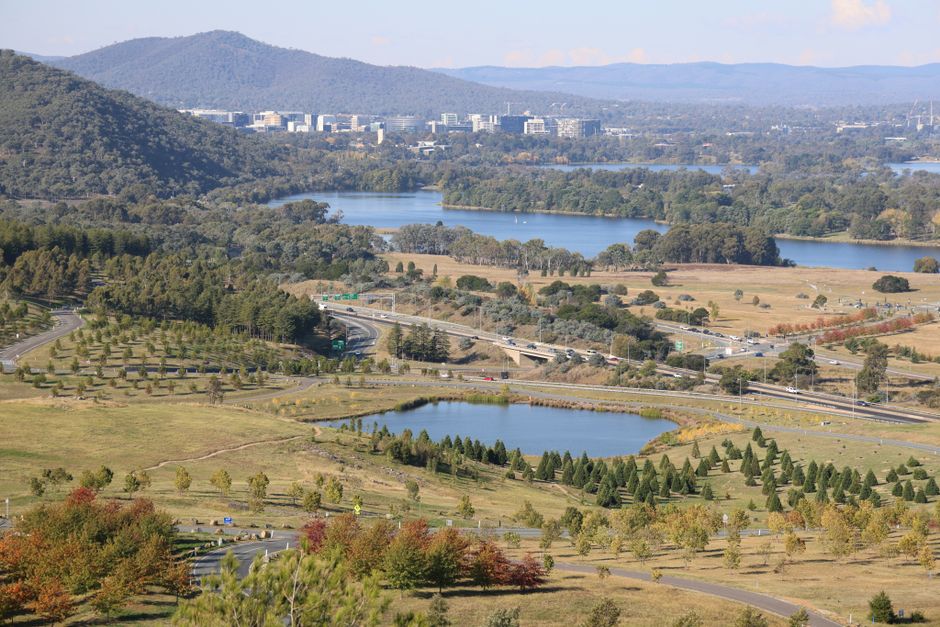
The ACT government is pushing ahead with planning for Light Rail Stage 2B — the southern extension connecting the City to Woden via Commonwealth Avenue — and the debate over its impact on housing, land use and public service commuter patterns is growing louder by the week. Urban planners and transport economists say the corridor will define where Canberra builds, who can afford to live there, and whether the city's public servants can ditch their cars.
The timing matters. Canberra's median house price sits around $840,000, according to CoreLogic figures from June 2026, and rental vacancy rates across inner suburbs like Braddon and Reid remain below one percent. Federal public servants — the city's dominant workforce — are increasingly priced out of the inner north and inner south, pushing demand toward Gungahlin and Belconnen where Stage 1 light rail and bus rapid transit already operate. The question transport and housing advocates are now pressing the government on is whether Stage 2B can do for Woden and Tuggeranong what Stage 1 did for Dickson and Gungahlin Town Centre.
Planners See a Corridor, Not Just a Tram Line
The ACT Planning Directorate has flagged the Stage 2B alignment — running down Adelaide Avenue and Yarra Glen before terminating at Woden Town Centre — as a priority urban renewal corridor. Planners within the directorate have briefed the Legislative Assembly's planning committee that zoning changes along the route could unlock medium and high-density residential development within 400 metres of each stop. That catchment, analysts say, is where the economic argument for the project is won or lost.
The Australian National University's urban economics group has been modelling transit-oriented development outcomes along the proposed alignment. Researchers there point to what happened along Northbourne Avenue after Stage 1 opened in April 2019: residential development approvals in the corridor between Lyneham and Mitchell increased by roughly 34 percent in the three years following opening, compared to the equivalent period before construction began. Housing advocates at ACT Shelter argue the same dynamic could play out in Phillip and Garran if the government locks in inclusionary zoning requirements early — before land values along the corridor surge.
The Canberra Business Chamber has separately lobbied Infrastructure Minister Chris Steel's office for certainty on the construction timeline. The chamber's concern is straightforward: Woden Town Centre, anchored by the Westfield Woden complex on Keltie Street, has been stalling on major private investment decisions partly because developers want confirmation that Stage 2B will actually proceed before committing to mixed-use towers. The ACT Treasury has estimated the project's benefit-cost ratio at 1.4, but that figure depends heavily on assumptions about land uplift and developer contributions that critics say are optimistic.
The Public Service Equation
Transport for NSW and the ACT's own Transport Canberra have both pointed to the concentration of Commonwealth department offices along the Stage 2B route as a demand driver that distinguishes Canberra from other Australian light rail projects. The Department of Health, NDIA headquarters in Deakin, and the cluster of Defence-adjacent agencies at Russell mean the line would serve tens of thousands of daily commuters who currently drive between Tuggeranong, Woden and the Parliamentary Triangle.
Transport Canberra data shows Stage 1 carried 4.2 million passengers in 2025, exceeding its five-year patronage forecast two years early. Advocates for Stage 2B cite that figure repeatedly. Opponents, including some within the Canberra Liberals, argue the per-passenger cost remains too high relative to an expanded bus network on the same corridors.
The ACT government has committed to a final business case for Stage 2B by late 2026, with a Commonwealth funding application expected to follow under the federal government's Urban Congestion Fund successor program. If that application succeeds and construction contracts are awarded by 2028, services to Woden could begin by 2032 — a timeline that urban planners say is the minimum needed to influence the next wave of housing decisions along Adelaide Avenue and within the Phillip commercial precinct. Residents and developers along the proposed route should watch the business case release closely; the zoning decisions that follow it will be the ones that actually move property values.