Ljubljana Residents Face Major Changes From Slovenia's 2026 Housing Policies
From subsidised heat-pump retrofits to revised rental assistance thresholds, national policy shifts this year are landing directly in Ljubljana households, and local experts say the effects are uneven.
This article was generated by AI from the linked public sources. The Daily Ljubljana is independently owned and covers Ljubljana news free from advertiser or sponsor influence. Read our editorial standards →
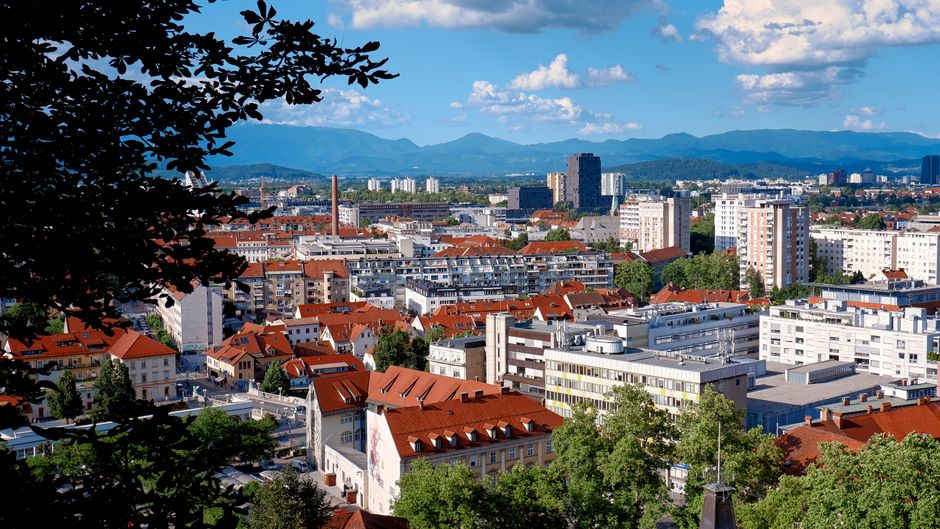
Three major Slovenian government policy packages that took effect or were substantially amended in the first half of 2026 are now working their way into the routines of Ljubljana's roughly 295,000 residents. The changes cover residential energy retrofitting, expanded public-transport subsidies under the national Zeleni Prehod (Green Transition) framework, and revised means-tested rental support administered through the Ministry of Solidarity-Based Future. Policy analysts who track implementation say Ljubljana, as the country's largest urban municipality, absorbs these changes differently from smaller Slovenian towns, and that gap is already generating debate among housing advocates and neighbourhood councils across the city.
The urgency is partly demographic. Ljubljana's Mestna občina Ljubljana recorded a 4.2 percent rise in registered residents between 2022 and 2025, driven largely by internal migration from other Slovenian regions. That growth tightened an already constrained rental market and pushed average rents in central districts such as Center and Šiška to levels that strain the existing state housing-allowance formula. The government revised that formula in February 2026, raising the income eligibility ceiling by approximately 12 percent, but local housing advocates note that the adjustment still does not fully account for Ljubljana's structurally higher cost base relative to the national average used in the calculation.
Energy Retrofits: Who Gets the Subsidy and Who Does Not
The headline measure drawing the most attention in Ljubljana neighbourhoods is the expanded Eko sklad (Slovenian Eco Fund) subsidy programme, which from January 2026 covers up to 55 percent of costs for heat-pump installation and building-envelope insulation in residential properties. For a typical Ljubljana apartment block built before 1980, energy efficiency experts estimate eligible works could run between 8,000 and 15,000 euros per unit before subsidy. The programme is expected to process roughly 14,000 applications nationally this year, according to Eko sklad's published 2026 operational plan. Local advocates note, however, that the scheme is structured around property ownership, which means the large share of Ljubljana residents who rent privately receive no direct benefit unless their landlord opts in. Community voices in multi-tenant buildings in Fužine and Koseze say coordination between owners in older socialist-era housing blocks remains a practical barrier, even when the financial case is clear.
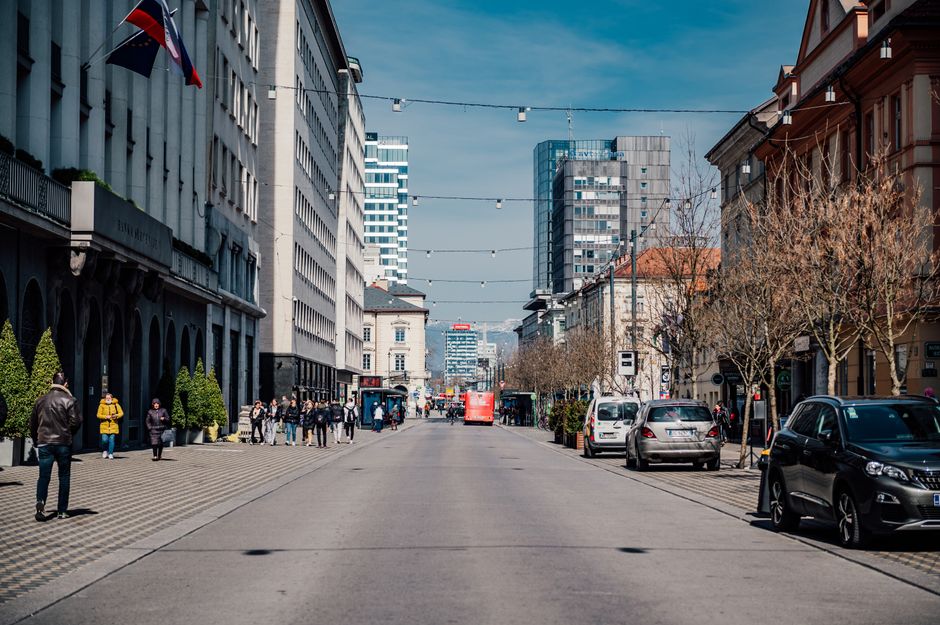
On public transport, the national government extended its zero-fare intercity bus policy, originally introduced in 2020, to cover additional regional routes connecting Ljubljana with Kamnik, Domžale and Grosuplje. For commuters who use those corridors, the policy eliminates ticket costs that previously ran between 1.50 and 2.80 euros per single journey. Ljubljanski Potniški Promet, the city's own operator, does not fall under the national zero-fare scheme, so Ljubljana's urban bus and tram network still charges fares, a distinction that some transport researchers say creates a confusing two-tier experience for city residents who cross that administrative boundary daily.
What Residents Can Expect Through the Second Half of 2026
The Ministry of Infrastructure has signalled it will publish revised guidelines for the Zeleni Prehod urban mobility component in September 2026, which could extend cycling-infrastructure co-financing to municipalities above 50,000 residents. Ljubljana would qualify, and the municipality has already submitted a preliminary project list worth 6.3 million euros covering cycle lanes on Dunajska cesta and the Šmartinska corridor, according to documents circulated at a June city council session. Whether that funding flows before year-end depends on the September timeline holding, and policy analysts caution that the national budget passed in April already flagged a 180-million-euro infrastructure reserve that could be drawn down if fiscal targets slip in the third quarter.
For renters navigating the revised housing-allowance rules, the key administrative date is 1 September 2026, when the Ministry of Solidarity-Based Future begins processing applications under the new income thresholds. Residents whose household income falls below 60 percent of the median adjusted net wage, currently set at 1,253 euros per month for a single-person household, are expected to be eligible for monthly support of between 80 and 210 euros depending on rent level and family size. Ljubljana's social services office on Strelišče has announced extended drop-in hours through August to help residents assess eligibility before the window opens.
Covering policy in Ljubljana. This article was generated by AI from the linked sources and was not reviewed by a human editor before publishing. See our editorial standards.