policy
Ljubljana Updates Transport and Housing Policies for 200,000 Residents
New measures on transport and affordable housing are set to affect daily commutes, rental costs and neighborhood planning for residents across Ljubljana.
4 min read
policy
New measures on transport and affordable housing are set to affect daily commutes, rental costs and neighborhood planning for residents across Ljubljana.
4 min read
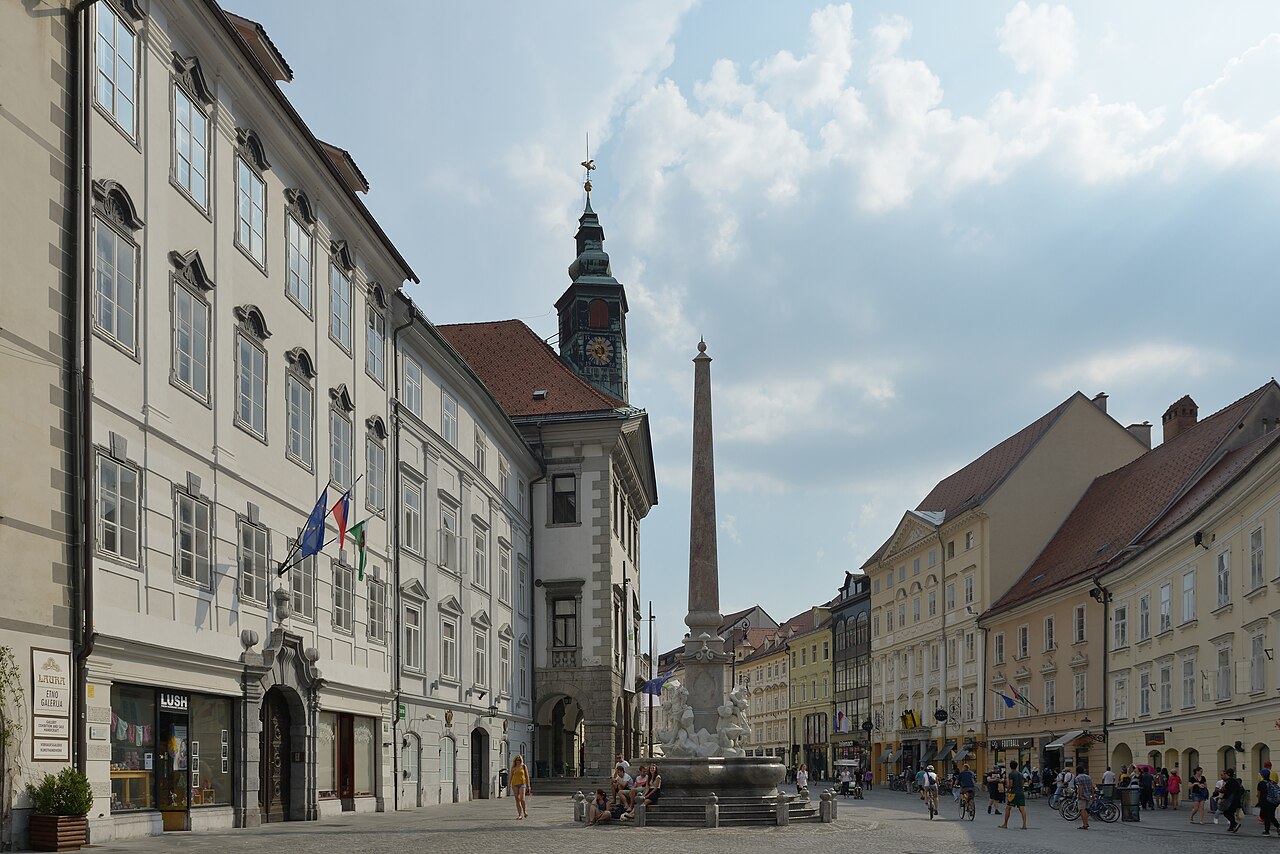
The City of Ljubljana has announced a pair of new policies aimed at reshaping public transport and expanding access to affordable housing. The measures, detailed this week by the mayor’s office and city council, are expected to affect thousands of commuters and renters across the municipality. Community advocacy groups and local analysts say these initiatives will have wide-ranging implications for everything from tram schedules to monthly rents.
Rising housing costs and mounting traffic congestion in central Ljubljana are driving urgent policy interventions, according to documents published in the 2026 City Strategy update. The Mobility Plan amendment, adopted on 6 July, introduces new bus lanes along Celovška cesta and calls for expanded late-evening services on three major routes. Meanwhile, the Council also approved a zoning adjustment for the Polje district, allowing construction of up to 800 new "non-profit" rental apartments by 2028. Local stakeholders, including the Ljubljana Urban Movement association, say these changes respond directly to public complaints about rising rents and unpredictable commuting times.
Local housing advocates point to the 14 percent rise in average rents across the city since 2022, based on data from the National Statistics Office. City planners say that, without intervention, Ljubljana risks pricing out young families and key workers. On the transport side, the city’s 2025 annual traffic review documented average weekday congestion delays of 17 minutes in the city centre, compared to 11 minutes prior to 2020. For local businesses and workers, both housing and mobility are cited as daily sources of stress.
The immediate effects of the mobility upgrade will be most visible to residents living along the northern transit corridors. "The additional bus lanes on Celovška and the new timetables will shave several minutes off my evening commute," said one member of the Vič community council, speaking at a recent public hearing. The city estimates the expanded night bus service could serve up to 4,500 late-shift workers each week, referencing figures from 2025 ridership surveys. However, some cycling coalition activists argue that the investment could have gone farther in constructing new bikeways instead of dedicating more road space to buses.
For residents of Polje and surrounding neighborhoods, the council’s decision to greenlight non-profit rental development is expected to increase available units by nearly 20 percent in those districts. City housing officials project that at least half of the new apartments would be reserved for applicants with incomes below 1200 euros per month, referencing affordability guidelines in the July 2026 legislative brief. Some tenant representatives, however, note concerns about building quality and long-term management by municipal agencies, highlighting issues seen in earlier projects such as Rakova Jelša.
The revised transport budget allocates 4.8 million euros in 2026 for corridor upgrades, according to the city's published 2026-27 fiscal plan. Funding for the first phase of Polje rental construction is earmarked at 12.5 million euros, including a partial grant from the Ministry of Solidarity-Based Future. Council planners say tendering for contractors will commence by September, with construction slated to begin in early 2027. The city also plans to conduct a public review on project progress and transit satisfaction in December, echoing calls from local advocacy groups for more transparent timeline reporting.
Local policy analysts expect both measures to generate ongoing debate as implementation proceeds. The transport directorate is expected to release its next quarterly ridership impact assessment in November, while the housing agency will begin accepting tenant applications before the end of 2026. For now, residents across Ljubljana face a period of transition, as the city attempts to balance urgent infrastructure needs with the competing concerns of cost, access and community input.
About this article
Published by The Daily Ljubljana
Spread the word
Daily brief
Free, in your inbox before 7am. Weekdays.
The Daily Network — local news across Australia