Politics
Ljubljana Candidates Defend Social Services Funding Amid Voter Pressure
With autumn municipal elections approaching, voters in Ljubljana's outer districts are pressing candidates on concrete commitments to home care, youth programmes and community centre budgets.
How we reported this
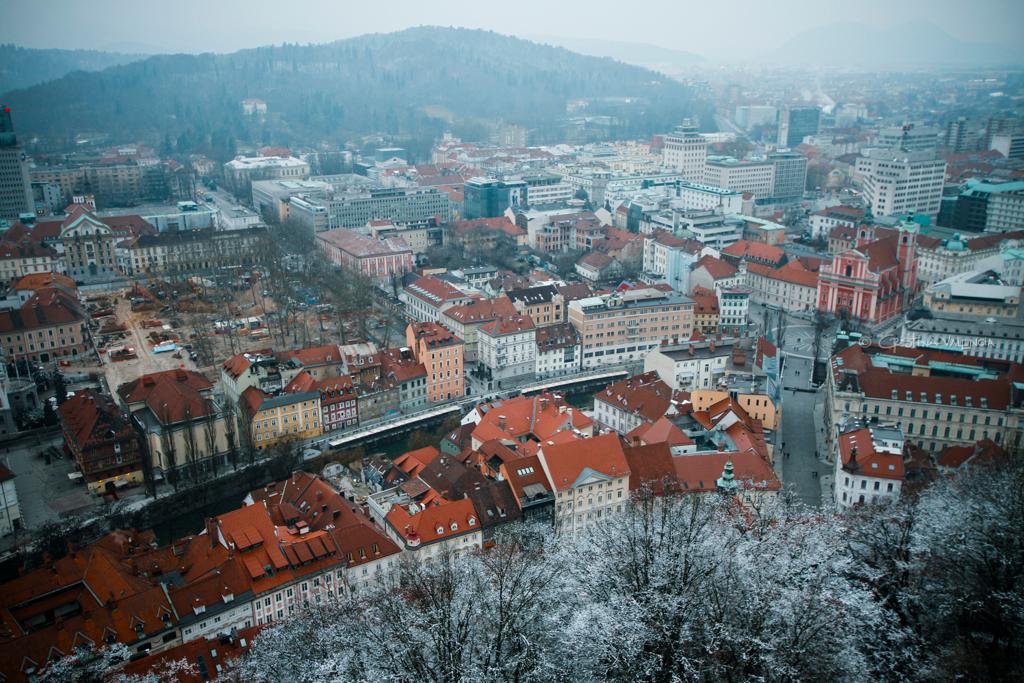
Ljubljana's municipal election campaign, now entering its most active phase ahead of the October 2026 vote, has sharpened into a contest over who controls the city's social welfare budget and how its roughly 295,000 residents access publicly funded community services. Several candidate lists have published platform documents in recent weeks, and the dominant thread running through public meetings in Bežigrad, Šiška and Moste-Polje is the same: what happens to neighbourhood-level services if the next city council restructures the Mestna občina Ljubljana's social expenditure envelope.
The stakes are not abstract. Ljubljana's municipal budget for 2026, approved by the city council in December 2025, allocated approximately 47 million euros to the social protection and community services programme area, which covers home help for elderly residents, subsidised places in day centres, youth outreach workers and crisis housing support. That figure represents around 12 percent of total municipal expenditure, according to the published budget document. Any shift in political majority after October could redirect those allocations, and candidates across the competing lists are aware that voters in higher-density residential areas are watching closely.
What Residents Are Asking Candidates to Commit To
At a public forum in Šiška on 3 July, residents put direct questions to candidates from three separate lists about the city's contracted home-care provider network. The Zavod Pristan programme, which delivers in-home assistance to older adults who would otherwise require institutional placement, currently serves around 1,200 Ljubljana households. Local advocates working in the elder-care sector note that waiting lists for the service have grown over the past two years, and they say the expansion of capacity depends on whether the next council maintains the current subsidy rate per service hour. Candidates at the forum gave varying responses, ranging from pledges to increase per-hour funding to proposals to consolidate contracts under a single municipal provider model.
Youth services are generating similar pressure. The city funds 14 community youth centres through its Mreža mladinskih centrov programme, and staff at several of them say operational grants have not kept pace with rising utility and staffing costs since 2023. Policy analysts who follow Ljubljana municipal affairs say the election presents a structural choice: the city can either index community centre grants to inflation going forward, or absorb shortfalls through reduced programme hours, which would be felt most directly in districts where private alternatives are limited or unaffordable.
Social Impact Evidence and What Comes Next
The Slovenian Institute for Social Protection Research published a report in March 2026 finding that municipalities which maintained per-capita social spending above the national average through the 2022-2025 period recorded measurably lower rates of emergency social assistance claims in subsequent years. Ljubljana has historically spent above the national municipal average on social services, but the report notes that population growth in peri-urban zones, particularly along the southern expansion corridors near Rudnik and Zalog, is putting pressure on service coverage ratios.
Crisis housing is one area where the gap is documented and visible. The city's Varni dom emergency shelter network has 87 places for adults in acute housing need. Municipal social workers, speaking generally at a professional conference in June, described the facility operating near capacity for extended periods during winter 2025-26. Several candidate platforms reference expanding this provision, though the specific budget lines and funding sources differ significantly across the lists.
Formal candidate registration closes on 14 August, and the city's election commission is expected to publish the full list of confirmed candidates and party affiliations by 20 August. Public debate sessions organised through Mestna občina Ljubljana's participatory governance office are scheduled for September in all 17 city districts. Residents in each district will have the opportunity to question candidates directly on local service commitments before ballots open in October. For Ljubljana households who depend on subsidised care, youth programmes or emergency social support, the answers given in those sessions will translate into budgetary decisions the next council takes by early 2027.