Property
Ljubljana Renters Pay Beyond 30% Rule as Housing Costs Soar
Ljubljana's renters are feeling the squeeze as housing costs outpace wages, but what's the tipping point?
3 min read
Property
Ljubljana's renters are feeling the squeeze as housing costs outpace wages, but what's the tipping point?
3 min read
In Ljubljana, nearly 40% of renters are spending more than 30% of their income on rent, according to a recent survey by the Slovenian National Institute of Statistics. This key fact has significant implications for the city's renters, who are struggling to make ends meet as housing costs continue to rise.
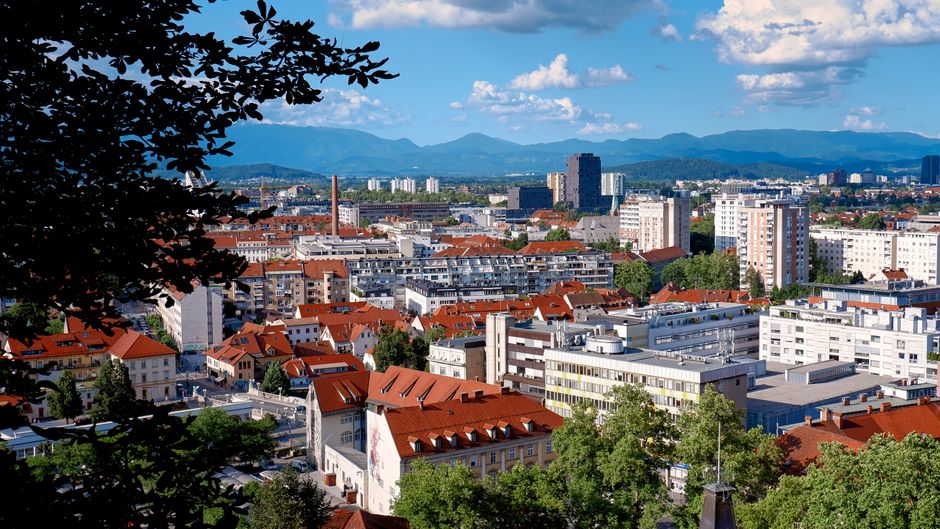
The 30% rule, a widely accepted benchmark for housing affordability, is being put to the test in Ljubljana's dynamic real estate market. With the city's population growing and housing supply limited, rents have increased by an average of 10% over the past year, outpacing wage growth and putting pressure on renters' budgets. This matters now because Ljubljana is experiencing a surge in new residents, drawn by its high quality of life, cultural attractions, and economic opportunities, from the Ljubljana Castle to the lively Metelkova neighbourhood.
In the heart of the city, neighbourhoods like Prešeren Square and the riverside area are highly sought after, with rents reflecting their popularity. For example, a one-bedroom apartment on Cankarjeva ulica can cost upwards of €800 per month, while a similar apartment in the nearby Bežigrad district might cost around €600. Organisations like the Ljubljana Housing Fund and the Slovenian Association of Renters are working to address the affordability crisis, but more needs to be done to support renters who are struggling to make ends meet.
According to data from the City of Ljubljana's housing department, the average rent for a one-bedroom apartment in the city centre is €743 per month, while the average monthly salary in Ljubljana is around €1,200. This means that many renters are spending more than 60% of their income on rent, far exceeding the 30% threshold. Furthermore, a report by the Slovenian Ministry of Infrastructure found that in 2025, 23% of renters in Ljubljana were spending more than 40% of their income on rent, with some areas like the Vič district reaching as high as 50%.
So what happens next? For renters who are struggling to afford their current housing situation, it may be time to explore alternative options, such as shared accommodation or apartments outside of the city centre. The Ljubljana Housing Fund offers subsidies for low-income renters, and organisations like the Slovenian Association of Renters provide advice and support for those navigating the rental market. As the city continues to grow and evolve, it's essential that policymakers and housing experts work together to find solutions to the affordability crisis and ensure that Ljubljana remains a vibrant and inclusive city for all its residents.
About this article
Published by The Daily Ljubljana
Spread the word
Daily brief
Free, in your inbox before 7am. Weekdays.
The Daily Network — local news across Australia