Ljubljana Sees Growing Divide Between House and Unit Prices: What's Behind the Shift
As the Slovenian capital's real estate market continues to evolve, a notable gap is emerging between the prices of houses and units, with significant implications for buyers and sellers alike.
This article was generated by AI from the linked public sources. The Daily Ljubljana is independently owned and covers Ljubljana news free from advertiser or sponsor influence. Read our editorial standards →
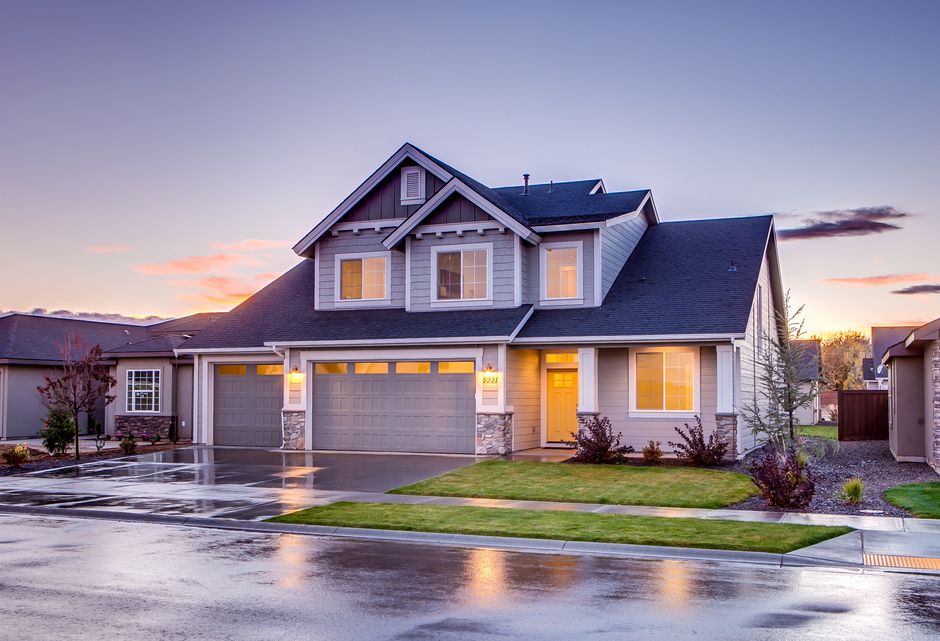
The latest data from the Ljubljana Real Estate Association reveals that the average price of a house in the city has increased by 15% over the past year, while unit prices have risen by just 5%. This divergence is particularly pronounced in popular neighbourhoods like Trnovo and Šiška, where house prices are now exceeding €500,000, while units in the same areas are selling for around €250,000.
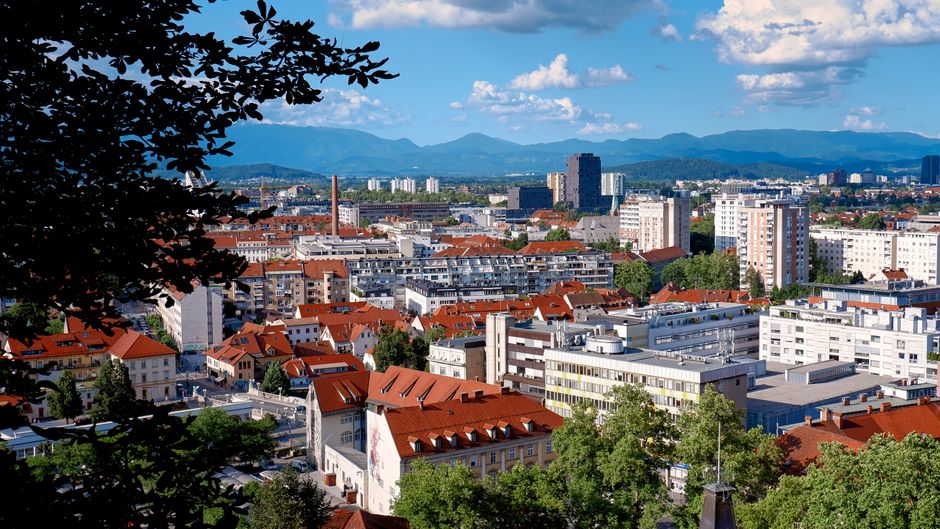
This trend matters now because it reflects a broader shift in Ljubljana's real estate market, driven by a combination of factors including limited supply, increasing demand from foreign buyers, and changing lifestyles. As the city continues to attract more young professionals and families, the demand for housing is growing, but the types of properties that are in highest demand are changing. The Ljubljana Municipal Council's efforts to promote sustainable urban development and revitalise underused areas, such as the Savsko naselje and Koseze neighbourhoods, are also influencing the market.
In specific areas like the Ljubljanica River embankment and the bustling streets of the Old Town, such as Mestni trg and Prešeren Square, the price difference between houses and units is even more pronounced. For example, a 3-bedroom house in the vicinity of the Ljubljana Castle can cost upwards of €700,000, while a similar-sized unit in the same area might sell for around €350,000. Organisations like the Slovenian Chamber of Commerce and the Ljubljana Tourist Board are working to promote the city's unique character and attractions, such as the Central Market and the National Gallery, which are helping to drive up demand for housing in these areas.
Market Data and Trends
A closer look at the data reveals that the average price per square metre of a house in Ljubljana is now around €2,500, compared to €1,800 for a unit. According to the Slovenian Statistical Office, the number of housing transactions in the city increased by 10% in the first quarter of 2026 compared to the same period last year, with the majority of sales taking place in the €200,000 to €500,000 price range. The Ljubljana Real Estate Association reports that the most popular types of properties among buyers are 2- and 3-bedroom units in newer buildings, such as those found in the BTC City and Brdo estates.
So what does this mean for buyers and sellers in Ljubljana's real estate market? For those looking to purchase a house, it's essential to be prepared for higher prices and potentially longer search times. Unit buyers, on the other hand, may find more affordable options, particularly in areas like Vič and Moste, which are still within easy reach of the city centre. As the market continues to evolve, it's crucial for buyers and sellers to stay informed about the latest trends and developments, and to work with experienced real estate agents who can provide expert guidance and support. The Ljubljana Real Estate Association and other local organisations are offering seminars and workshops to help buyers and sellers navigate the market, and to provide advice on topics such as property valuation, financing, and legal issues.
Covering property in Ljubljana. This article was generated by AI from the linked sources and was not reviewed by a human editor before publishing. See our editorial standards.