Property
Ljubljana Apartment Rental Prices Hit €14/sqm Record
Ljubljana rent per square metre reaches all-time high in 2026 despite new apartment supply. What's driving rental market pressure in Slovenia's capital?
4 min read
Updated 2 h ago
Property
Ljubljana rent per square metre reaches all-time high in 2026 despite new apartment supply. What's driving rental market pressure in Slovenia's capital?
4 min read
Updated 2 h ago
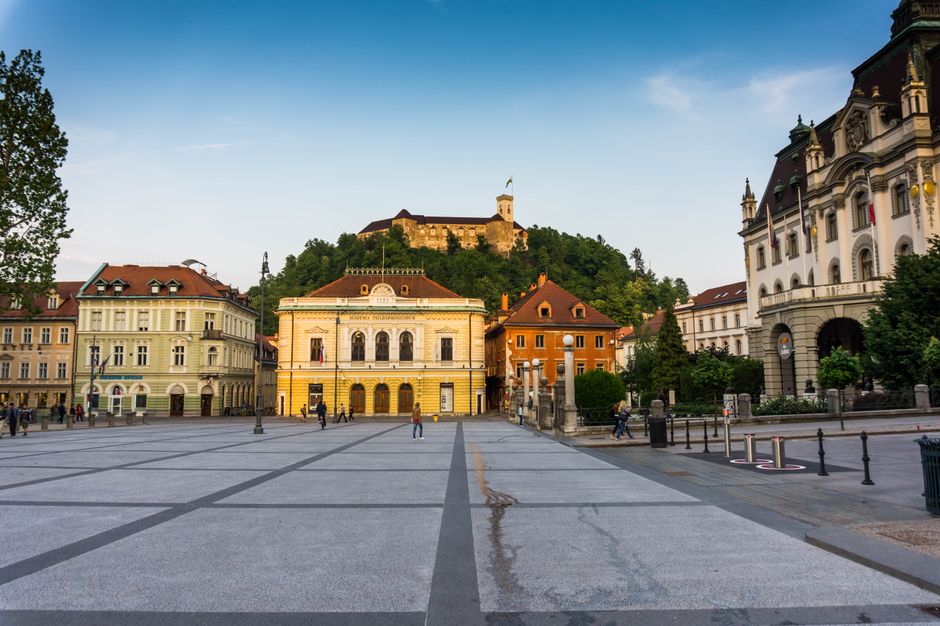
Ljubljana's residential market delivered a blunt message to renters this spring: new supply is not enough. Average asking rents in the capital crossed €14 per square metre per month in the second quarter of 2026, according to figures compiled by the Slovenian Real Estate Fund (SSKS), a threshold the market had never previously breached. That number matters because three significant new apartment projects completed partial handovers between January and June, and analysts had expected the fresh stock to cool demand. It didn't.
The timing is significant. Slovenia's central bank flagged mortgage affordability stress in its May 2026 financial stability review, noting that households in Ljubljana are now spending an average of 38 percent of net income on housing costs — up from 31 percent in 2022. With ownership increasingly out of reach, more residents are staying in the rental pool longer, which absorbs new units almost as fast as developers can register them with the Geodetska uprava, the national land and property registry.
The clearest signal comes not from asking prices but from forced-sale auctions administered through the Ljubljana District Court on Miklošičeva cesta. In the first half of 2026, 47 residential properties went under the hammer in Ljubljana. Forty-one of them sold above the court-appointed reserve price. The average premium over reserve was 18.4 percent — a figure that professional investors treat as a rough proxy for underlying demand pressure. In 2023, that same premium averaged just under 9 percent.
Two projects are drawing particular attention from analysts watching those auction results for context. The Emonska Promenada mixed-use development along the southern edge of the Trnovo district added 94 apartments to the market in March 2026, with units ranging from €310,000 to €580,000 for a three-bedroom flat. Within six weeks, fewer than a dozen remained unsold. Separately, the Šiška Urban Quarter near Celovška cesta — a regeneration scheme that has been in planning since 2019 — completed its first residential phase in May, delivering 68 units. Pre-sale contracts had been signed on 61 of them before construction finished.
Neither project meaningfully loosened the rental market because buyers, not future landlords, absorbed most of the stock. A survey of Šiška Urban Quarter purchasers conducted by the developer, Primorje Invest, showed 79 percent were owner-occupiers. That pattern is repeating across the city: institutional rental portfolios remain thin in Ljubljana compared with Vienna or Amsterdam, so new builds convert into ownership rather than tenancy stock.
The second half of 2026 brings two variables that could shift the picture. The Municipality of Ljubljana is scheduled to release the final terms of its Dostopna Stanovanja programme — a subsidised rental scheme that has been piloted in the Fužine neighbourhood — by September. If the programme scales to the 300 units the municipality has discussed publicly, it would represent the largest addition of below-market rental stock since the early 2000s privatisation wave stripped the city's social housing base bare.
The second variable is interest rates. The European Central Bank's June 2026 meeting held the deposit rate at 2.25 percent, and traders are pricing in one further cut before December. Even a modest reduction tends to pull fence-sitting buyers off the rental market and into mortgage applications, which would tighten rental demand slightly — but history in Ljubljana suggests the effect is modest and short-lived.
For renters negotiating leases now, the practical read is uncomfortable but clear. Landlords in desirable districts — Center, Trnovo, and the lower end of Šiška — are not under pressure to discount. The auction premium data confirms that underlying demand exceeds supply at current price points. Anyone whose lease expires before the Dostopna Stanovanja details are published in September faces renewal negotiations in a market that the numbers, at present, describe as firmly a seller's game.
About this article
Published by The Daily Ljubljana
Spread the word
Daily brief
Free, in your inbox before 7am. Weekdays.
The Daily Network — local news across Australia