Ljubljana Property Faces a Reckoning as Gold Surges and Borrowing Costs Bite
With gold at $4,187 an ounce and the euro firming against the dollar, Ljubljana's commercial and residential property market is telling businesses something they can no longer afford to ignore.
This article was generated by AI from the linked public sources. The Daily Ljubljana is independently owned and covers Ljubljana news free from advertiser or sponsor influence. Read our editorial standards →
Gold hit $4,187 per troy ounce on Friday, up 4.1 percent in a single session, and that number matters in Ljubljana more than it might first appear. When hard-asset demand accelerates at that pace, it signals something specific: institutional capital is rotating out of yield-sensitive positions, including real estate investment vehicles, and into stores of value. For Slovenian businesses carrying commercial leases or sitting on property-heavy balance sheets, that rotation has direct consequences for how their assets are valued and how their landlords are thinking about rent reviews in the second half of 2026.
The broader market backdrop reinforces the caution. The S&P 500 climbed 1.71 percent to 7,483 and the Nasdaq added 1.87 percent to reach 25,833, yet neither move is being read by serious analysts as a signal that risk appetite is uniformly back. Oil tells a different story: WTI crude slid 2.78 percent to $68.78 a barrel, a retreat that points to softening demand expectations across Europe's industrial corridor, of which Slovenia is a meaningful part. Weaker energy demand from Ljubljana's manufacturing neighbours in Germany and Austria tends to feed through to slower logistics, quieter light-industrial parks and, eventually, softer demand for warehouse and distribution space in the Slovenian capital's outer districts.
What the EUR/USD Move Means for Ljubljana Tenants and Landlords
The euro gained 0.47 percent against the dollar to reach 1.1440 on Friday. That sounds modest, but for Ljubljana businesses that invoice in euros while importing dollar-denominated inputs, including commodities, machinery components and certain energy contracts, the stronger euro provides a thin cushion. It also matters for the foreign investors, primarily from Austria, Germany and the Gulf states, who have been the marginal buyers of Ljubljana's prime office and mixed-use stock over the past three years. A firmer euro makes Slovenian property slightly more expensive in dollar terms, cooling interest from dollar-based buyers even as European buyers find their own currency holding steady.
The residential rental market in central Ljubljana, particularly the districts around Trnovo and BTC City's residential fringe, has been running at elevated asking prices since 2024. The dynamic heading into the third quarter of 2026 is shifting. Vacancy rates in the city's newer build-to-rent blocks have edged higher as wage growth among younger professional tenants has failed to keep pace with rent inflation. Landlords who refinanced at variable rates when the European Central Bank was still cutting are now facing a recalibration. The ECB's benchmark rate has held at a level that keeps servicing costs elevated for leveraged property owners, and there is no strong consensus that meaningful relief arrives before the end of the year.
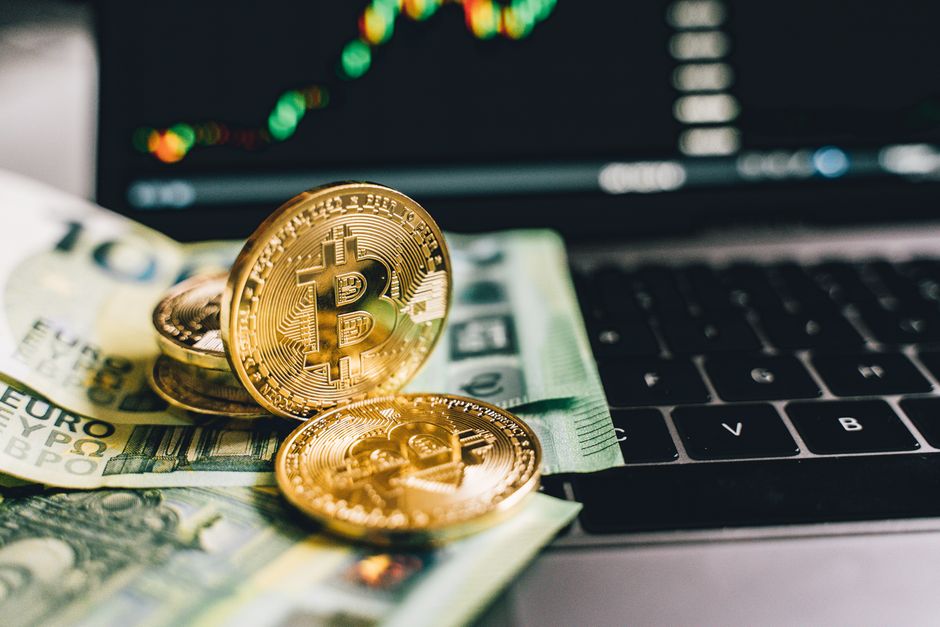
Bitcoin's 6.67 percent surge to $62,466 is a footnote to the property story but not an irrelevant one. A cohort of Ljubljana's tech-sector tenants, concentrated around the Poduzetniški inkubator district and the university quarter near Kongresni trg, holds a meaningful portion of its liquid reserves in digital assets. When crypto rallies sharply, that cohort's appetite for office upgrades, co-working memberships and longer lease commitments tends to tick upward. Property managers and commercial agents dealing with that tenant base would be sensible to move quickly on lease renewals in the coming weeks, while balance sheets look healthier.
For businesses considering capital expenditure decisions tied to property, the signal from Friday's session is mixed but leans cautious. The gold move suggests macro uncertainty is not resolved. Oil's decline suggests European industrial demand is not accelerating. The equity rally, concentrated in US large-cap technology, offers Ljubljana businesses little direct read-through unless they hold significant exposure to funds tracking the Nasdaq. Those who do have seen their portfolios gain nearly 1.9 percent in a day, but that gain sits alongside a property market at home that is repricing at the margin, quietly and without announcement.
The practical takeaway for Ljubljana-based businesses right now is threefold. Lease negotiations due in the third quarter should be approached with more leverage than tenants have enjoyed in several years, particularly in secondary office locations south of the ring road and in the city's outer retail strips, where footfall data has been soft since the spring. Businesses evaluating whether to buy or continue renting commercial premises should stress-test their financing assumptions against a scenario in which ECB rates stay higher for longer than the consensus expects. And any business carrying property assets on its balance sheet for collateral purposes should review those valuations before the next lending conversation, because the bid side of the Ljubljana property market is thinner than the asking-price lists suggest.
Covering finance in Ljubljana. This article was generated by AI from the linked sources and was not reviewed by a human editor before publishing. See our editorial standards.