Gold hit $4,187 per troy ounce on Friday, a 4.10% single-session advance that has now pushed the metal to levels few analysts had pencilled in for 2026. For Ljubljana businesses with treasury exposure, pension pots invested in European funds with commodity allocations, or simply household savers watching the purchasing power of their euros, the signal is hard to ignore. The yellow metal is pricing in something: persistent uncertainty, sticky inflation expectations, or both. The EUR/USD rate climbed to 1.1440, up 0.47% on the day, adding a currency dimension that hits Slovenian exporters and importers differently, and immediately.
WTI crude dropped to $68.78 per barrel, a fall of 2.78%, which at first glance looks like relief for fuel-dependent businesses. Transport companies, logistics operators and manufacturers along the Ljubljana-Koper corridor will feel some cost easing at the pump over coming weeks if the slide holds. But the same move that cheers fleet managers unsettles the energy sector globally, and Slovenia's power generators and fuel distributors are not immune to margin pressure when wholesale energy benchmarks shift this quickly. A $68 oil price also tends to flag weakening demand expectations in major economies, which matters for Slovenian exporters whose primary markets are Germany and France.
What the Numbers Mean for Slovenian Firms and Savers
The equity picture is unambiguously constructive on the surface. The S&P 500 rose 1.71% to 7,483 and the Nasdaq Composite added 1.87% to close at 25,833. Slovenian institutional investors, including the larger supplementary pension funds regulated under the Pension and Disability Insurance Act, typically hold a meaningful portion of assets in global equity indices through UCITS structures domiciled in Luxembourg and Dublin. A Friday like this one pads those returns, but the volatility embedded in a single session that combines a 6.67% Bitcoin surge, a 4% gold jump and a near-3% oil fall is not the signature of a placid market. It is the signature of a market repricing risk, fast.
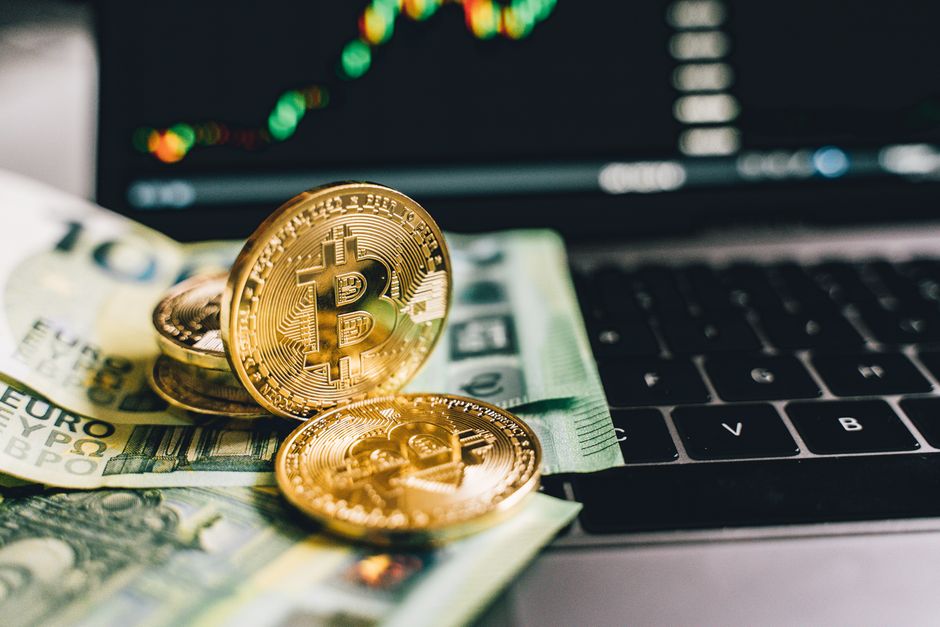
Bitcoin reaching $62,466, up 6.67%, will register with a specific cohort of Ljubljana's business community: the fintech operators, the younger entrepreneurs and the treasury managers at a handful of technology-adjacent firms who have maintained small crypto positions as a speculative reserve. The move is sharp enough to matter to that group but the asset class remains too volatile and too lightly regulated under Slovenian banking supervision frameworks to be considered a business treasury tool in any conventional sense. NLB Group, the largest bank headquartered in Ljubljana, does not offer direct crypto custody services, and that gap remains relevant context for any business weighing digital asset exposure.
The stronger euro is the factor most likely to land on the desk of a Slovenian CFO on Monday morning. At 1.1440 against the dollar, the euro is making exports to non-euro markets marginally less competitive and imports from dollar-denominated supply chains marginally cheaper. For manufacturers in the Savinja Valley and the wider Gorenjska region who invoice in euros but source components priced in dollars, the shift is net positive in the short term. For firms exporting to markets outside the eurozone, the calculus is more complicated. A sustained euro rally through the second half of 2026 would represent a genuine headwind for revenue when translated back from weaker currencies.
On household savings, the picture is more nuanced than the headlines suggest. Deposit rates at Slovenian banks have drifted higher over the past eighteen months as the European Central Bank tightened and then paused, but real returns on standard savings accounts remain thin once domestic inflation is accounted for. Gold's continued run validates the logic of savers who diversified into commodity-linked instruments or gold ETFs listed on European exchanges such as Euronext Amsterdam. The same cannot be said for those who kept the bulk of discretionary savings in overnight deposits, where the opportunity cost is now measurable.
Businesses planning capital investment through the second half of 2026 face a specific timing question. Borrowing costs in Slovenia track ECB policy closely, and while the base rate environment has stabilised, credit conditions at domestic banks including SKB Banka and Addiko Bank Slovenia have not materially loosened for small and medium enterprises. The SID Bank, Slovenia's state development and export bank, continues to offer preferential lending under its SME programme, and the current macro environment, volatile commodities, a firm euro, uncertain global demand, makes that programme worth revisiting for firms considering equipment financing or export credit facilities before the autumn. Waiting for perfect conditions is a strategy with its own costs.