Gold hit $4,187 per troy ounce on Friday, up more than four percent in a single session, and for Ljubljana investors that number is not abstract. It is the clearest signal yet that global capital is rotating away from dollar-denominated assets and toward stores of value, a shift with direct consequences for Slovenian pension portfolios, household savings rates and the cost of imported goods. The euro climbed to 1.1440 against the dollar, the strongest print in recent months, compounding the effect. For a small, open eurozone economy that imports most of its energy and a significant share of its consumer goods, a stronger common currency is a meaningful structural tailwind.
The timing is pointed. Slovenian households have endured two years of compressed real wages as inflation outpaced nominal pay settlements across the public and private sectors. The Bank of Slovenia's most recent wage tracker showed average gross earnings climbing at a pace that consistently trailed headline consumer price growth through 2024 and into 2025. That gap is now closing. Goods inflation, particularly for energy and food, has decelerated sharply as WTI crude slid to $68.78 per barrel, down nearly three percent Friday alone, easing pressure on fuel costs and utility bills that feed directly into the monthly outgoings of Ljubljana families. Heating oil and petrol are not priced in WTI, but European gas and refined product markets track directionally, and the trend is unambiguous.
Who Is Already Capturing the Upside
The beneficiaries are not evenly distributed. Slovenian exporters, particularly the precision manufacturing and pharmaceutical clusters concentrated around Kranj and the Gorenjska region, are watching the euro's rise with some anxiety, since their competitiveness in dollar-priced markets erodes as EUR/USD climbs. But for domestic-facing businesses, the picture is considerably more encouraging. Retailers and distributors who source consumer goods through eurozone supply chains face lower input costs as commodity prices retreat in dollar terms; the currency effect means those savings are not entirely captured by foreign suppliers.
Ljubljana's listed equity market, anchored by names such as Krka and NLB Group on the Ljubljana Stock Exchange, has historically moved with some lag to broader European sentiment rather than tracking Wall Street in real time. The S&P 500's 1.71 percent gain on Friday, with the Nasdaq Composite adding 1.87 percent, reflects a risk-on session in New York driven partly by technology earnings expectations. Slovenian equities do not replicate that volatility directly, but NLB Group, as the dominant regional bank with operations across the western Balkans, stands to gain from any sustained improvement in regional consumer confidence and credit demand that follows lower energy costs and recovering real incomes.
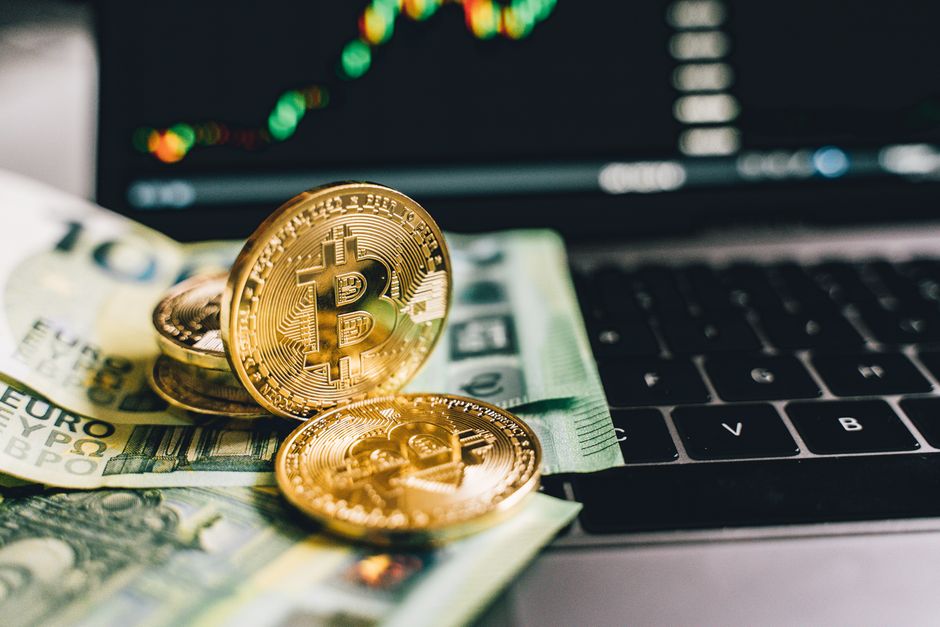
Bitcoin's surge to $62,466, a gain of more than six and a half percent on the day, is less immediately relevant to most Ljubljana household budgets, but it underscores a broader pattern. When gold rises sharply and crypto follows, the market is expressing a unified view about the diminishing purchasing power of fiat currency and the appeal of finite-supply alternatives. For the subset of younger Slovenian investors who entered digital assets through regulated platforms available to EU retail clients, Friday was a good day. For the majority holding savings in conventional bank deposits at NLB, Nova KBM or SKB Banka, the relevant question is whether the European Central Bank's rate trajectory will continue to offer any real return on cash.
ECB deposit rates remain the key variable. The central bank has moved cautiously through 2025 and into 2026, balancing residual services inflation against weaker industrial output across Germany and Italy, Slovenia's two largest trading partners. Market pricing currently suggests at least one further adjustment before year-end, though the direction and magnitude are genuinely contested. A lower rate environment would compress returns on Slovenian term deposits but would simultaneously reduce the mortgage burden on the roughly 40 percent of Ljubljana homeowners carrying variable-rate housing loans, many of which are indexed to EURIBOR.
The net effect for a median Ljubljana household looks cautiously positive for the second half of 2026. Lower fuel costs, a currency that makes imported electronics and clothing cheaper, wages that are finally outrunning consumer prices in the latest quarterly data, and a stock market that, while not booming, is not under systemic stress. The risk is that export sector weakness feeds through to the labour market in the autumn hiring cycle, particularly in manufacturing. Slovenian unemployment remains low by EU standards, but industrial order books in Germany, the destination for a large share of Slovenian manufactured exports, have been soft.
For now, the opportunity is real. Households that have maintained savings discipline through the inflation squeeze of the past two years are entering a period where real returns on that capital are, for the first time in some years, genuinely positive. The question is whether they will deploy it, or keep it where it has always been: in the deposit accounts of banks that are themselves posting record profits on the spread.